Provenance
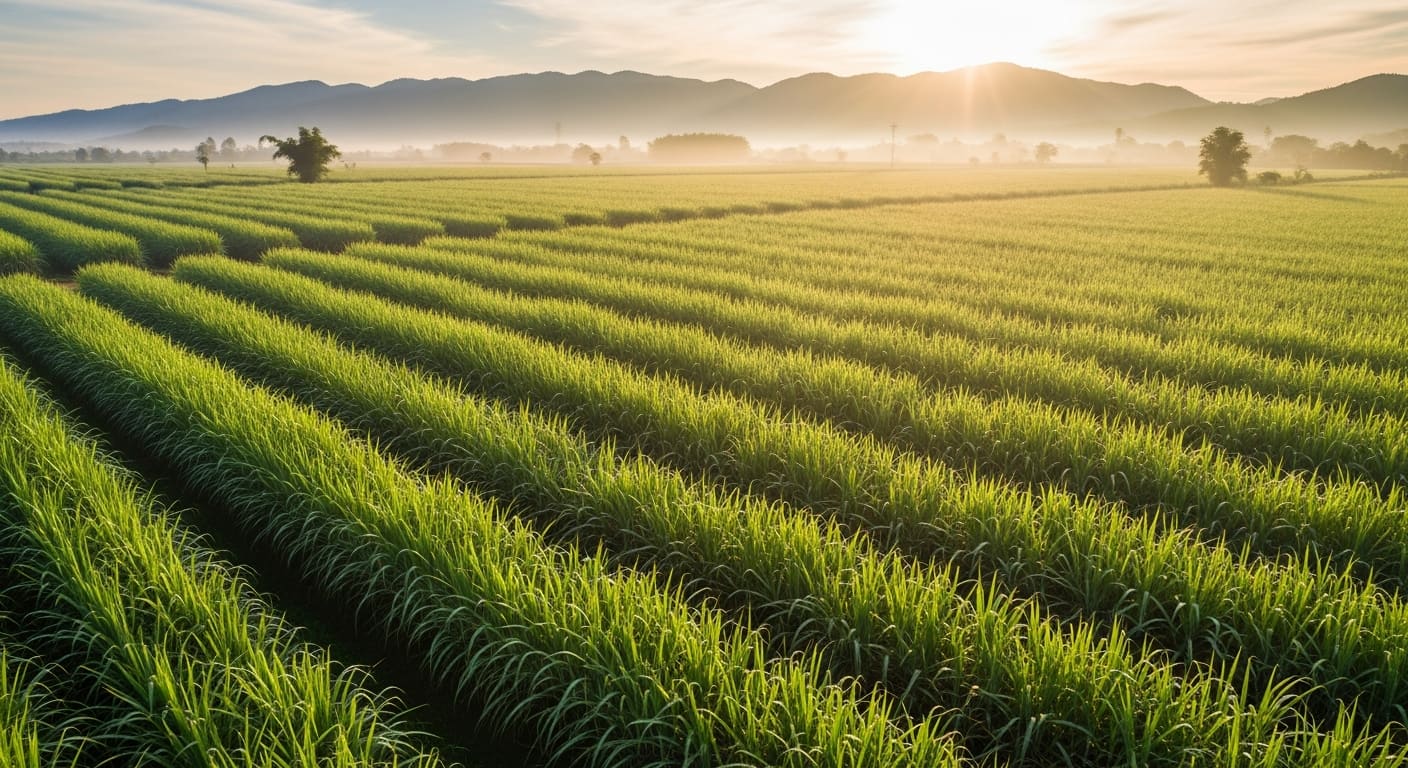
It starts in Bến Tre.
Eight thousand miles from your bar.
Why we go to Vietnam for cane. How we get it here before it oxidizes. And the people who make both possible.
I, Variety
Why Vietnamese cane.
The Mekong Delta grows a variety bartenders and chefs ask for by name, Vietnamese yellow cane. Sweeter than Caribbean strains, with a cleaner finish, more juice per stalk, and a softer bite. It's the variety that lets a sugarcane juice taste like cut grass and honey instead of just sugar.
II, Farms
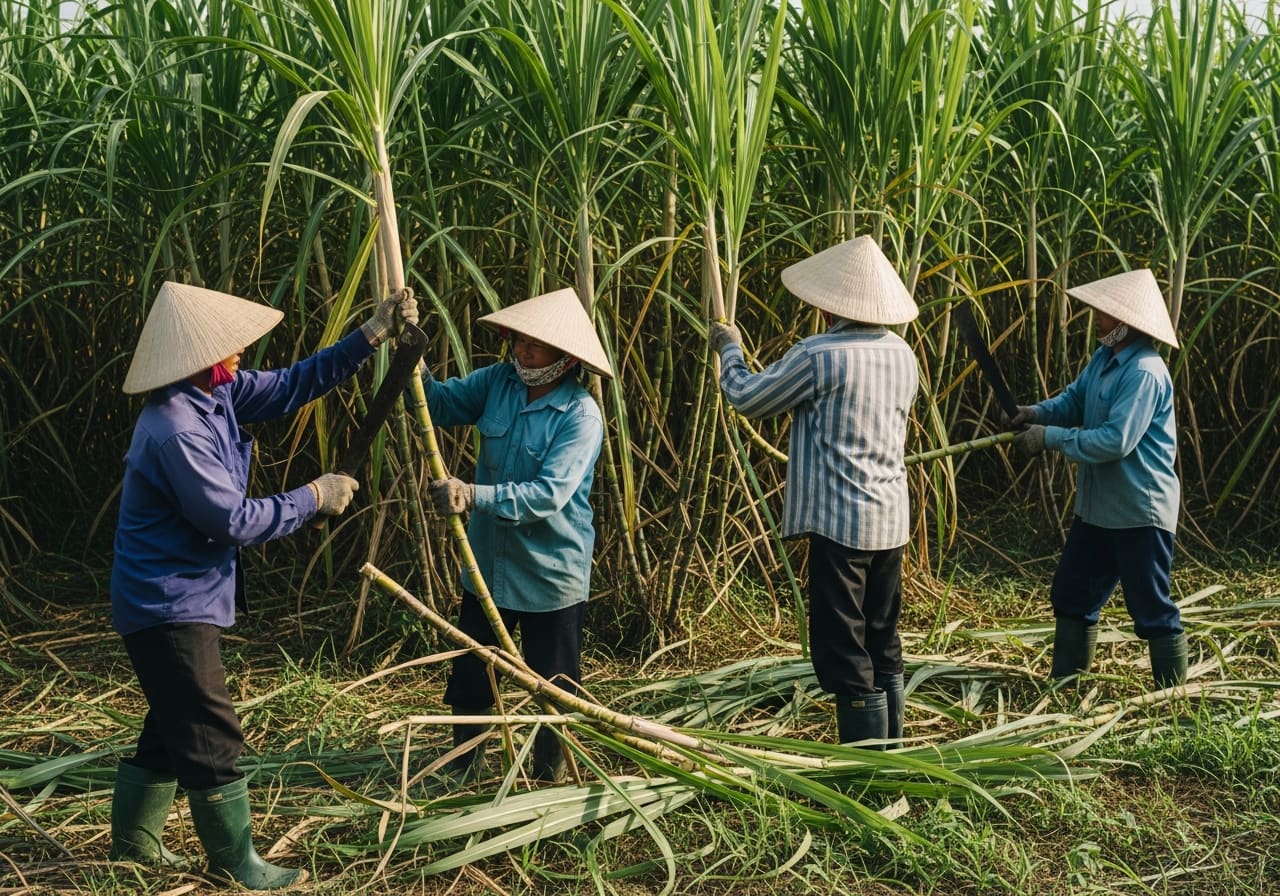
Family-run, generations deep.
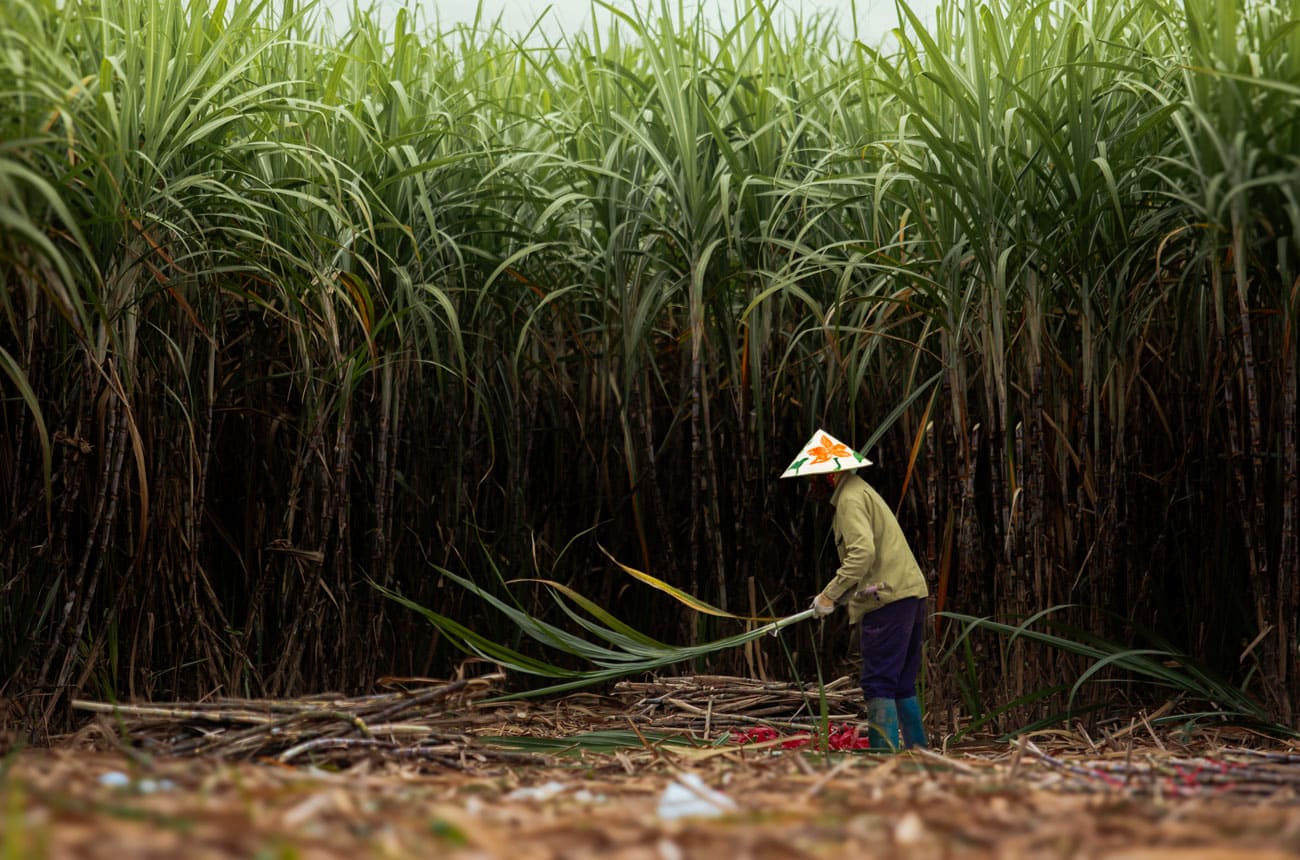
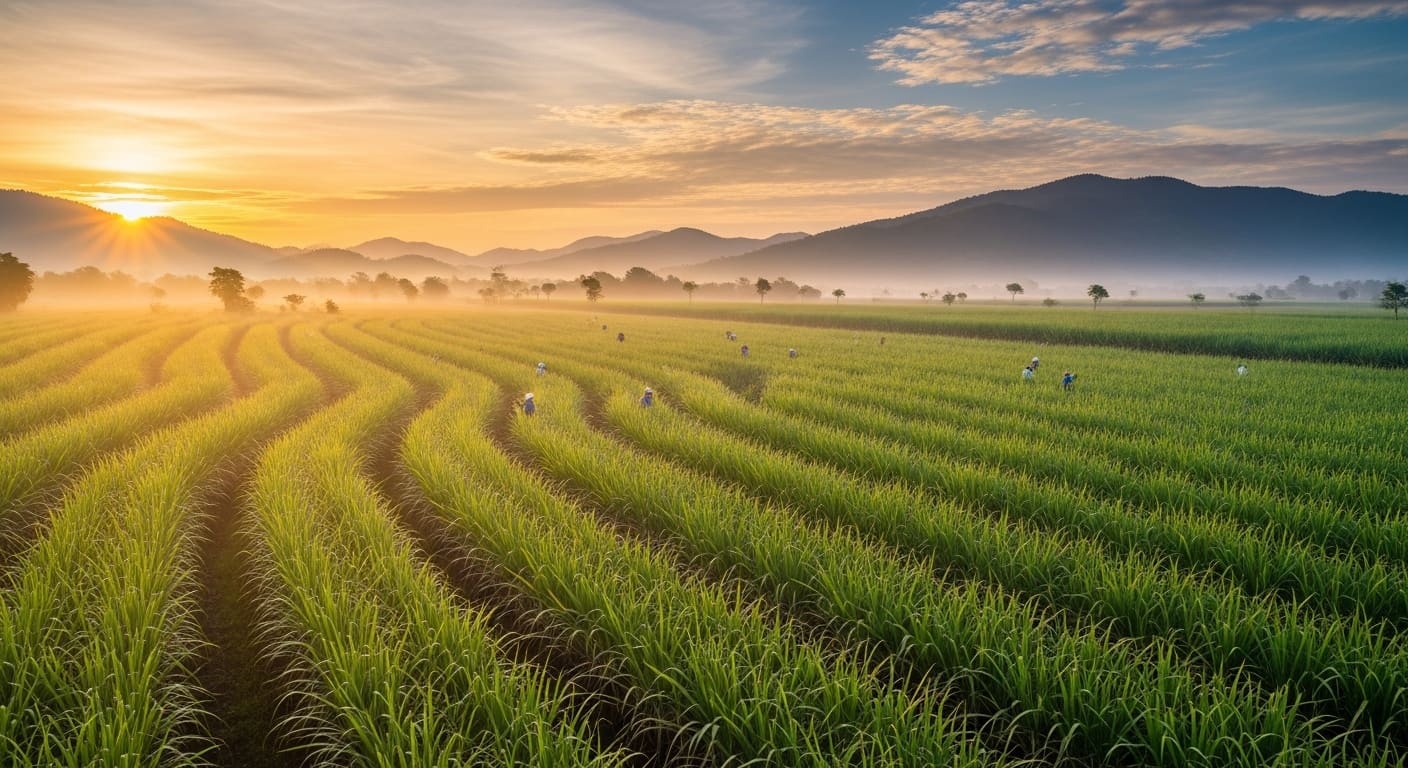
We buy from eight family farms in Bến Tre and Long An provinces. No middlemen, no aggregators. Every lot is traceable back to a field and a harvest date. Our sourcing lead, Hien, makes the buying trip twice a year and inspects every fresh cut before a container leaves port.
III, Harvest
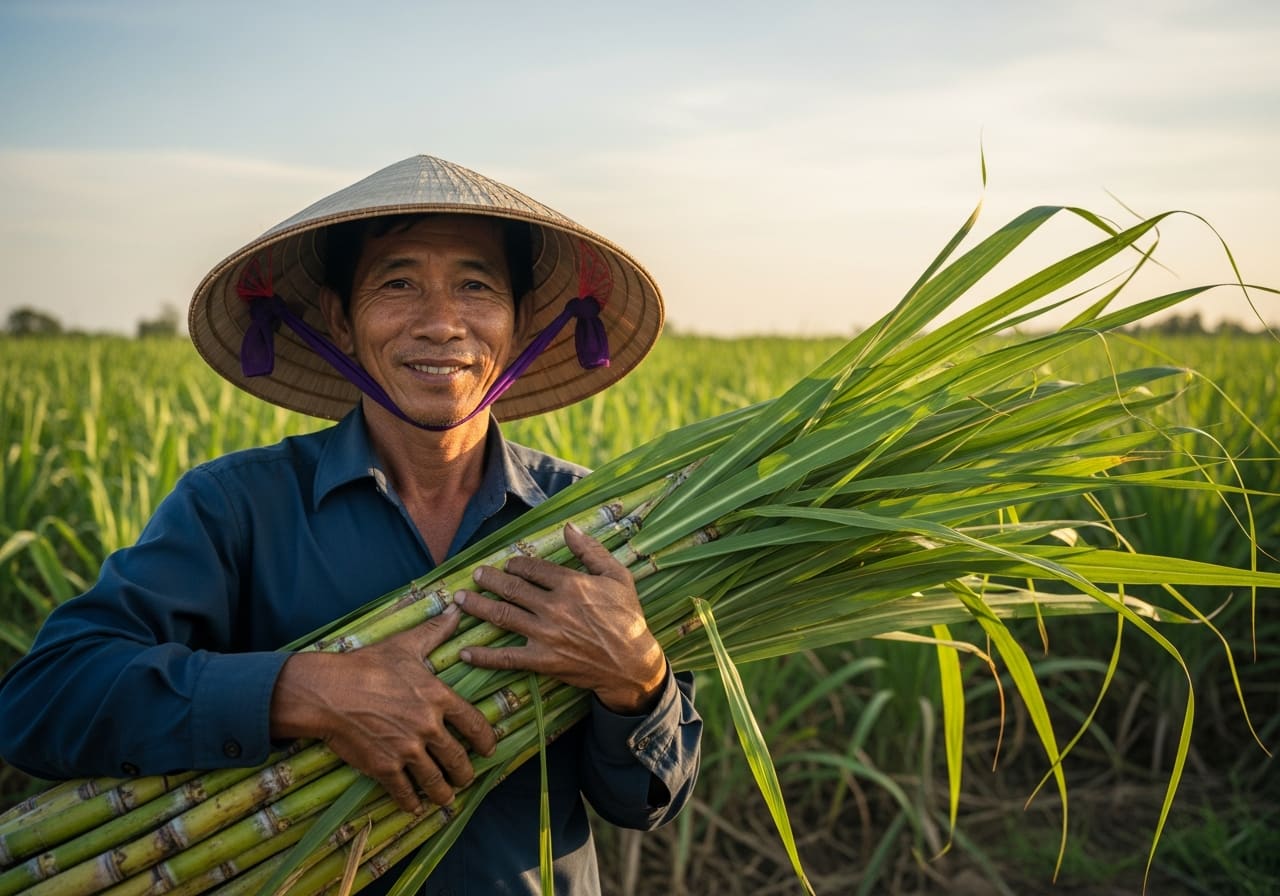
Cut at sunrise. Processed by nine.
Farmers cut at sunrise, when the cane is cool and full of water. The stalks are trimmed, peeled, and washed within two hours of the cut. Oxidation is the enemy, once cut, sugarcane browns fast, and the juice loses clarity. Speed is the first thing we pay for.
IV, Flash-freeze
Locked at peak. Four hours or less.
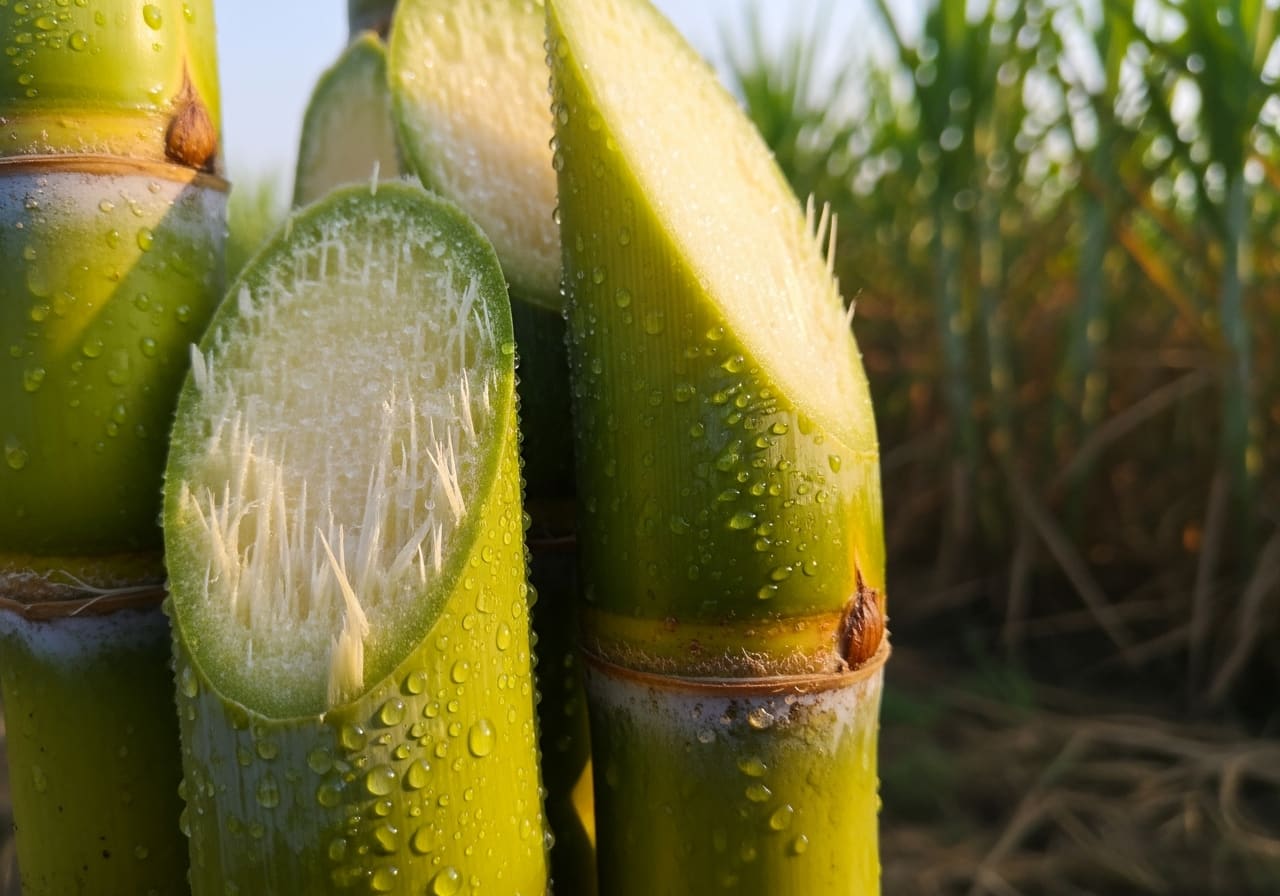
Within four hours of the cut, the stalks are in a blast freezer at −35°C. The cold stops enzymatic browning, arrests microbial growth, and locks the water in the plant cells before it can migrate. What arrives at your door is as close to the field as any preserved cane can be.
V, Austin
Stocked in Texas, not a container in port.
Ocean freight brings full containers to Austin on a regular cadence. We hold inventory in a refrigerated warehouse there, which means when you order on Monday, we're picking from pallets already on American soil, not waiting on a vessel and a customs release. That's how we hit 2 to 5 day nationwide delivery.
VI, End use
Your bar, your kitchen, your juicer.
We ship to juice bars in Austin, cocktail programs in Miami, distilleries in Kentucky, and caterers running festivals in California. Every case comes with a lot number, a COA on request, and a direct line to our sourcing team if something's off. We treat the ingredient the way we'd want a bartender to treat us.
Why frozen
Frozen is not a compromise. It is the clean-label choice.
We are not trying to make fresh tropical juice behave like soda. If the product is meant to taste like the fruit or cane it came from, it needs to be protected by cold, not disguised by a longer ingredient list.
The promise is simple: fruit, cane, juice. No label anxiety.
That is why we maintain the cold chain from processing through delivery, even when it is harder and more expensive.
No shelf-life shortcuts
Fresh sugarcane and tropical fruit oxidize quickly. Freezing lets us avoid the preservative-and-stabilizer path used by many shelf-stable drinks.
Frozen at peak
We cut or press close to harvest, then freeze before the product has time to brown, ferment, or flatten in flavor.
Cold chain costs more
Frozen freight, storage, and packing are more difficult than ambient shipping. We do it because the clean label matters more than convenience.
Built for our own tables
Juiced Fresh started because we wanted juice we could drink ourselves and give to our kids without worrying about the ingredient panel.
VII, Team
The people behind the cane.
Hien Nguyen
Head of Sourcing
Marcus Pham
Warehouse Operations, Austin
Ana Delgado
Wholesale Accounts
Jordan Pak
Logistics & Freight
Sourced with care since 2024