The variety reference

Types of sugarcane. varieties, origins, uses.

Purple, yellow, green, and red. The four families that cover every sugarcane cultivar you'll encounter, and the one you should actually buy for your business.

Updated 2026·~12 min read

Sugarcane (Saccharum officinarum) is a tropical grass with over a hundred commercial cultivars grown worldwide. But commercially, they sort into four color-and-flavor families: purple (also called black), yellow (golden), green, and red (burgundy). Each family has a signature use.

This page walks through all four in depth, compares them side by side, breaks down where the best varieties come from, and helps you pick the right variety for your business. Every variety listed is available from our Austin warehouse, flash-frozen and shipped frozen nationwide.

Variety 01

Saccharum officinarum

Purple Sugarcane (Black Sugarcane)

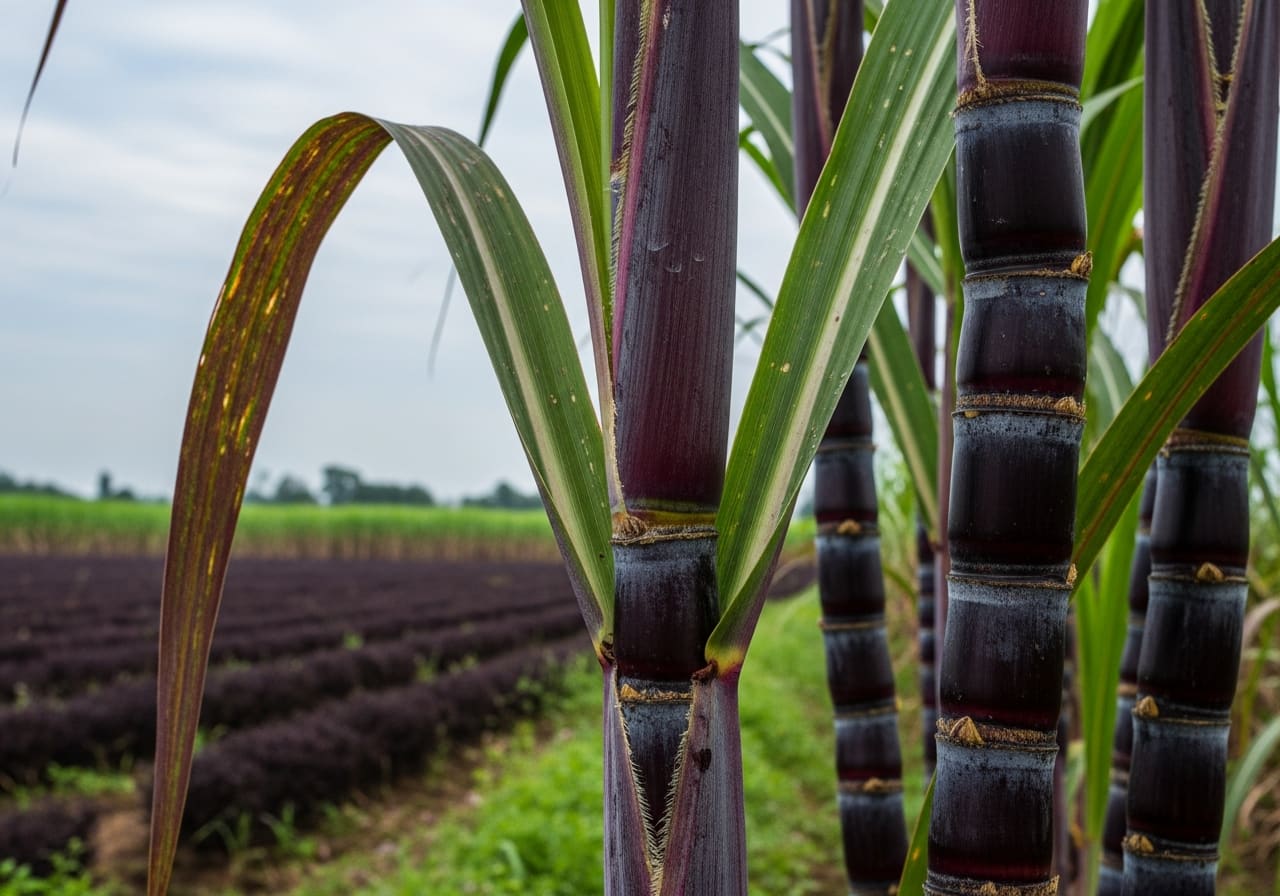
Purple sugarcane, also known as black sugarcane, is prized for its rich, complex flavor and higher antioxidant content. The dark purple color comes from anthocyanins, powerful antioxidants that give purple cane a health halo most other varieties lack. The juice runs darker, with a molasses undertone, and is deeply popular in Vietnamese and Filipino juice culture.

Color
Purple / Dark Red
Origin
Southeast Asia, India
Sugar
12–16% Brix
Climate
Tropical, humid, 80–95°F
Harvest
12–18 months from planting
Fiber
Moderate, softer

Best for

Fresh juiceChewing caneTraditional medicine

Key characteristics

  • Rich, molasses-like sweetness with honey notes
  • High antioxidant content (anthocyanins)
  • Softer texture, easier to hand-chew
  • Premium positioning for juice bars
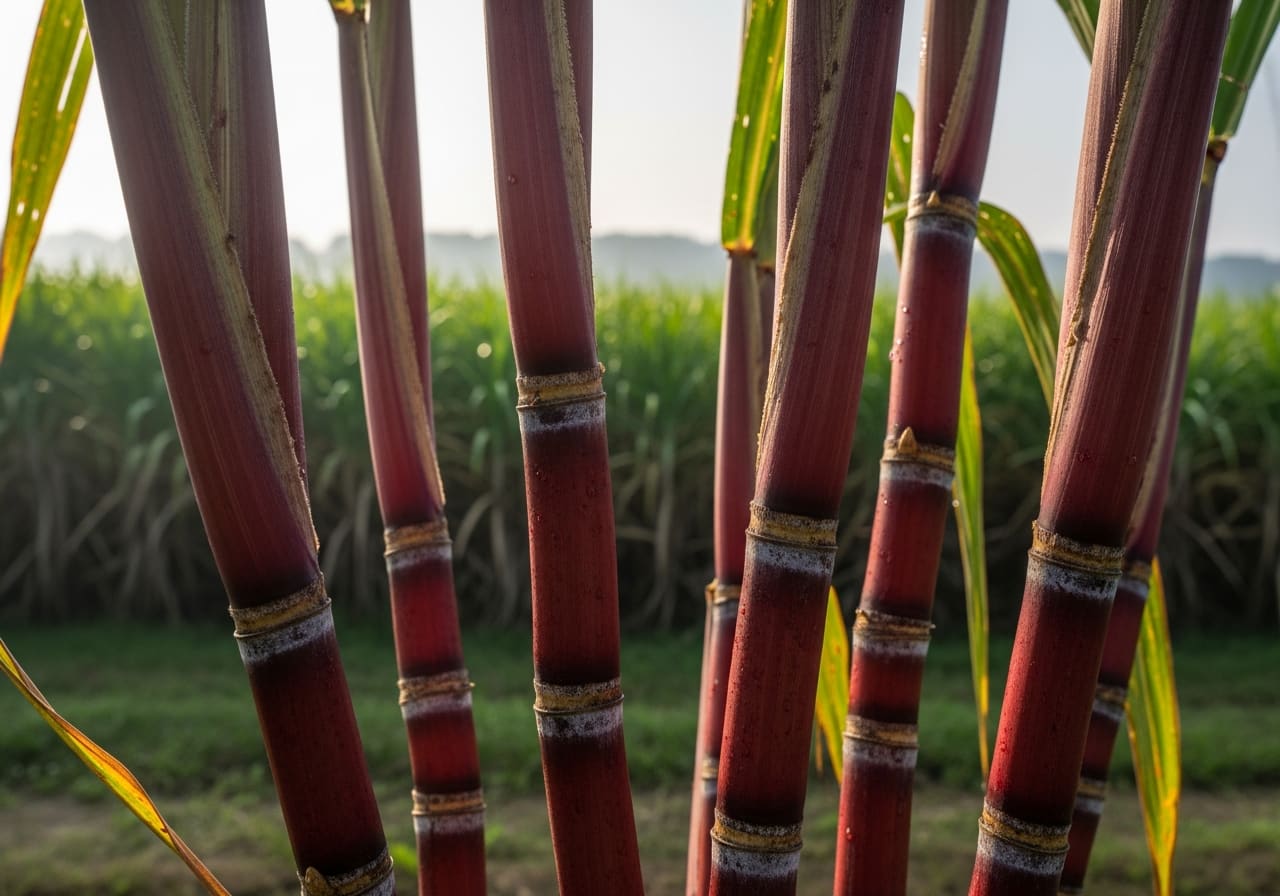
Purple Sugarcane (Black Sugarcane) – Purple / Dark Red sugarcane variety

Variety 02

Saccharum officinarum

Yellow Sugarcane (Golden Cane)

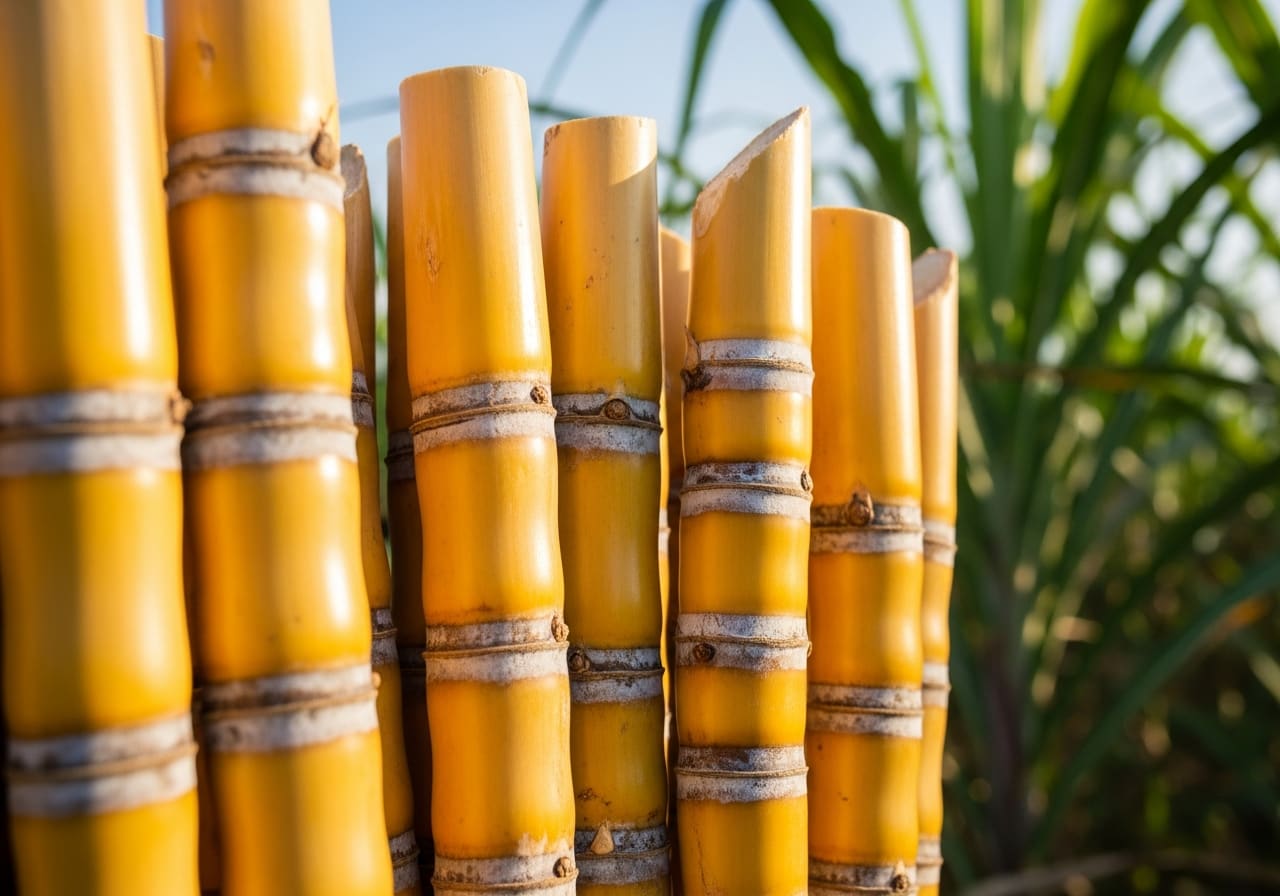
Yellow sugarcane is the commercial workhorse: the most widely grown cultivar worldwide thanks to its exceptionally high sugar content and juice yield. Our Vietnamese yellow cane is cut at peak maturity, produces a light, clean juice with crisp sweetness, and is the preferred base for craft rum and agricole production. If you're running a commercial operation, this is almost always the variety you want.

Color
Golden yellow
Origin
Vietnam, Thailand, Philippines
Sugar
14–18% Brix
Climate
Tropical, ample rainfall, sandy loam
Harvest
11–14 months, twice-yearly in Vietnam
Fiber
Balanced, high-yield

Best for

Commercial juiceSugar productionRum distilling

Key characteristics

  • Highest sugar content, 14–18° Brix
  • Clean, crisp sweetness with citrus finish
  • Excellent juice yield (70%+ extraction)
  • Ideal fiber-to-juice ratio for commercial crushers
Yellow Sugarcane (Golden Cane) – Golden yellow sugarcane variety

Variety 03

Saccharum officinarum

Green Sugarcane

Green sugarcane is harvested young, when the stalks are still bright green and the juice is light and grassy. The sugar level is lower, which means a cleaner, less cloying taste: excellent for health-conscious juice bars, craft cocktail programs, and blends where you don't want the cane to dominate. It's also the variety most commonly used in Cuban guarapo.

Color
Bright green
Origin
Vietnam, Brazil, Cuba
Sugar
10–14% Brix
Climate
Tropical, high humidity, early harvest
Harvest
8–10 months, young harvest
Fiber
Softer, younger stalks

Best for

Fresh juiceHealth drinksCocktails

Key characteristics

  • Light, refreshing, grassy taste
  • Lower glycemic impact (lower Brix)
  • Subtle herbal notes
  • Excellent for mixing in drinks
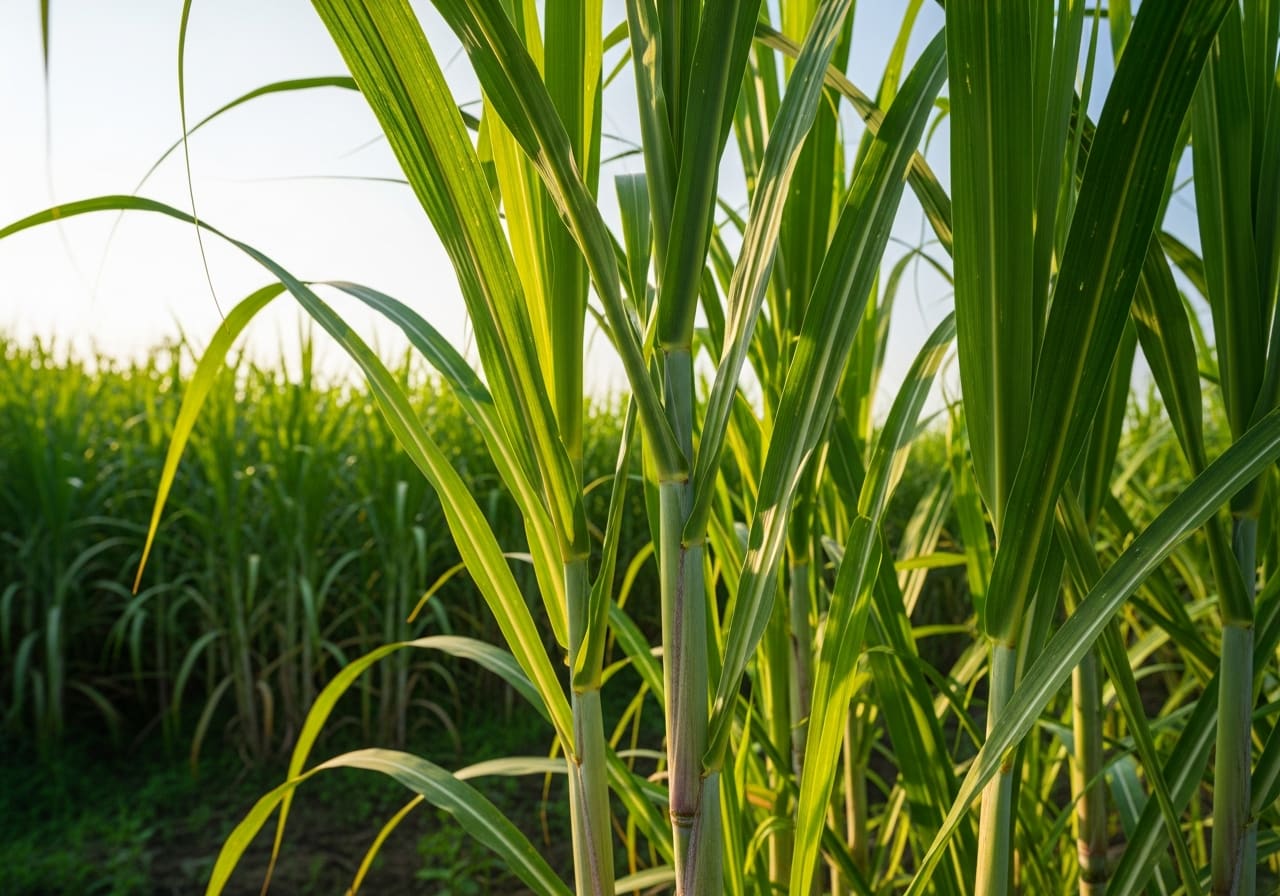
Green Sugarcane – Bright green sugarcane variety

Variety 04

Saccharum officinarum

Red Sugarcane (Burgundy Cane)

Red sugarcane has been cultivated in India and Southeast Asia for centuries, primarily for making jaggery (gur) and traditional sweets. The reddish-brown color signals higher mineral content. Iron, calcium, and magnesium. Which is why red cane is valued in Ayurvedic traditions. The juice has earthy, caramel undertones that pair beautifully with chai and Indian desserts.

Color
Reddish brown
Origin
India, Southeast Asia
Sugar
11–15% Brix
Climate
Tropical, mineral-rich soil
Harvest
12–14 months
Fiber
High, denser fiber

Best for

Jaggery / GurTraditional sweetsAyurvedic medicine

Key characteristics

  • High mineral content (iron, calcium, magnesium)
  • Earthy, caramel, and toasted notes
  • Traditional use in Ayurvedic medicine
  • The variety of choice for artisan jaggery
Red Sugarcane (Burgundy Cane) – Reddish brown sugarcane variety

At a glance

All four varieties, side by side.

The quick-reference table. If you're in a rush: yellow for volume, purple for premium, green for cocktails, red for jaggery.

VarietySugarFlavorBest forFiber
Purple Sugarcane12–16%Rich, molassesPremium juice, healthModerate
Yellow Sugarcane14–18%Clean, crisp sweetCommercial, rumBalanced
Green Sugarcane10–14%Light, grassyCocktails, health drinksSoft
Red Sugarcane11–15%Earthy, caramelJaggery, traditionalHigh

Origins

Where varieties come from.

Sugarcane's flavor is heavily shaped by climate and soil. Here's what each major growing region produces, and why it matters for what ends up in your glass.

Vietnam

The Mekong Delta grows yellow and green cane that's prized worldwide for sweetness and clean flavor. The twice-yearly harvest, rich alluvial soil, and sea-adjacent humidity produce stalks with a Brix that's consistently 2–3 points higher than Caribbean-grown cane.

YellowGreen

India

India grows more sugarcane than any country except Brazil. Red cane dominates the northern states for jaggery production; yellow-green hybrids (Co-86032, Co-0238) are used in commercial sugar mills. Uttar Pradesh and Maharashtra lead production.

RedYellow hybrids

Brazil

Brazil is the world's largest producer and the source of most commercial rum and ethanol. Green cane and hybrid varieties (RB867515, RB92579) are dominant. The flavor profile is lighter, less complex than Southeast Asian varieties, due to the drier climate and shorter maturation window.

GreenCommercial hybrids

Caribbean

Cuba, Dominican Republic, and Jamaica grow traditional green cane for guarapo and rhum agricole. Varieties like B47-44 and Criolla dominate. Flavor tends toward grassier, less sweet profiles than Asian varieties. A signature of Caribbean cocktail culture.

GreenCriolla

United States

Louisiana and Florida produce commercial sugarcane for refining, primarily CP-variety hybrids developed for cold tolerance and machine harvesting. Small amounts of Hawaiian purple and specialty varieties are grown in Hawaii and south Florida for specialty juice and rum.

CP hybridsHawaiian Purple

Best for…

Pick by what you're making.

A decision matrix organized by use case. If you know what you're serving, start here.

Use case

Best for fresh juice (commercial)

→ Yellow Sugarcane

Highest yield per stalk, cleanest flavor, most forgiving of operator variation. 70%+ juice extraction in commercial crushers. What 90% of juice bars order.

Use case

Best for premium / craft juice

→ Purple Sugarcane

Antioxidant story supports a $1–2 upsell per glass. Darker color plates beautifully. Molasses-like finish differentiates your menu from commodity green cane.

Use case

Best for cocktails

→ Green Sugarcane

Grassy, lower-Brix profile doesn't fight with bitters, citrus, or aromatics. The choice for mojitos, caipirinhas, and clarified-cane cocktails.

Use case

Best for rum distilling

→ Yellow Sugarcane

Highest fermentable sugar content, widely used for traditional molasses-based rum and increasingly for cane-juice agricole.

Use case

Best for jaggery & traditional sweets

→ Red Sugarcane

High mineral content and caramel undertones yield the darkest, most flavorful gur. The variety Indian halwais have asked for by name for generations.

Use case

Best for wellness / functional drinks

→ Green or Purple

Green for low glycemic impact; purple for antioxidants. Either pairs well with ginger, lime, and herbs for functional blends.

How to read

Brix, explained.

Brix (°Bx) measures dissolved sugar in an aqueous solution: 1° Brix equals 1 gram of sucrose per 100 grams of solution. For sugarcane, Brix is the single most important metric, it tells you how sweet the juice will be and how much usable sugar the stalk contains.

Commercial-grade yellow cane should measure 14–18° Brix at harvest. Below 14 suggests under-ripe stalks or a poor growing season; above 18 is exceptional and usually means perfect soil and a longer-than-average maturation window. Purple and red cane run slightly lower (11–16°), green cane lower still (10–14°).

Any bartender or juice-bar owner serious about quality should keep a $30 handheld refractometer on the bar. A drop of fresh juice on the glass tells you in five seconds whether a lot is worth pressing.

Variety finder

Three questions, one recommendation.

Answer quickly and we'll point you at the variety that fits.

Question 1 of 3

What will you primarily use the sugarcane for?

Operator tips

Five things we've learned.

After supplying 500+ juice bars, cocktail programs, and distilleries, this is what separates the operators who win from the ones who churn product.

01

Beginner default

Start with yellow. Highest sugar content and most forgiving juice yield. You'll learn the process faster with the easier variety.

02

Premium upsell

Offer purple at a $1–2 premium per glass. Customers will pay for the antioxidant story and the visibly darker pour.

03

Blend for depth

Mix 70% yellow with 30% purple for a flavor profile that's distinct from any competitor in your market.

04

Freshness math

Flash-frozen cane holds 95%+ of fresh juice quality. Thaw overnight in the refrigerator. Never in warm water.

05

Know your Brix

A $30 refractometer tells you if your variety is mature enough to press. Under 14° Brix in a supposed yellow? The lot's under-ripe.

FAQ

Frequently asked.

What is the best sugarcane variety for juice?+

For commercial juice operations, Yellow Sugarcane (Golden Cane) is the best due to its high sugar content (14–18%) and excellent juice yield. For premium juice bars seeking unique flavors, Purple Sugarcane offers a richer, more complex taste with added antioxidant benefits.

Which sugarcane variety has the highest sugar content?+

Yellow Sugarcane (Golden Cane) has the highest sugar content at 14–18° Brix, making it the preferred choice for sugar production, rum distilling, and commercial juice operations.

What types of sugarcane are grown in Vietnam?+

Vietnam primarily grows Yellow Sugarcane and Green Sugarcane varieties. Vietnamese sugarcane is known for its exceptional quality due to the country's ideal climate, rich soil, and traditional farming practices. Yellow cane from the Mekong Delta runs 2–3 points higher on Brix than most Caribbean-grown cane.

Is purple sugarcane healthier than regular sugarcane?+

Purple sugarcane contains anthocyanins (antioxidants that give it the dark color), which provide additional health benefits not found in other varieties. However, all sugarcane varieties offer natural vitamins, minerals, and energy.

What sugarcane is best for making rum?+

Yellow Sugarcane is preferred for rum production due to its high fermentable sugar content. Many craft distilleries also experiment with Purple Sugarcane for creating unique, premium rum varieties with deeper flavor profiles.

Where can I buy different sugarcane varieties in the USA?+

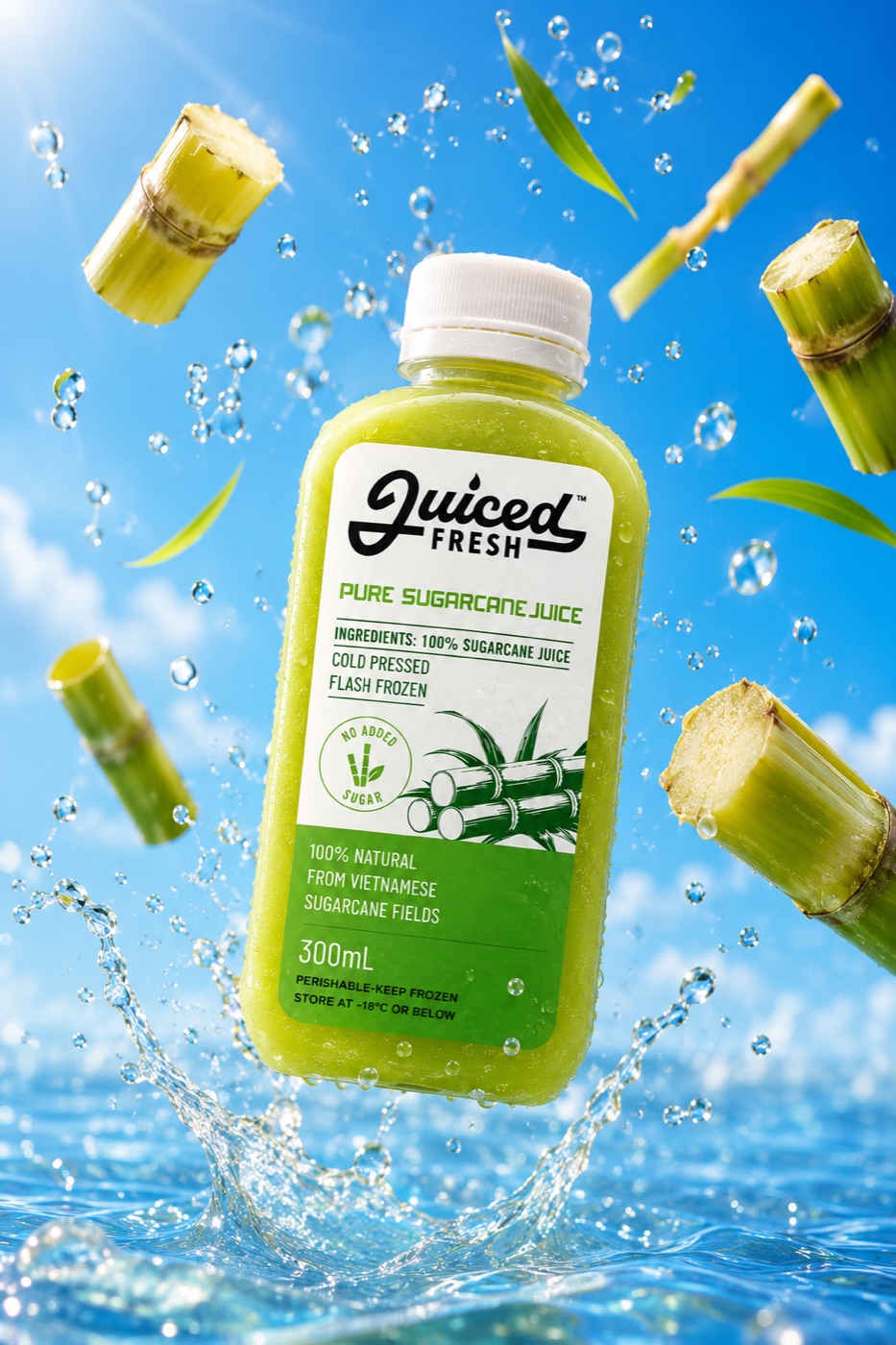
Juiced Fresh supplies premium Vietnamese sugarcane varieties to customers across the USA. We ship flash-frozen sugarcane stalks and fresh juice from our Austin warehouse for fast delivery nationwide. Message us on WhatsApp for variety availability and volume pricing.

How many types of sugarcane are there?+

There are over 100 commercial sugarcane cultivars grown worldwide, but they fall into four main color/flavor families: purple (black), yellow (golden), green, and red (burgundy). Most commercial varieties are hybrids of Saccharum officinarum and other Saccharum species bred for climate, yield, or disease resistance.

What is the scientific name of sugarcane?+

The scientific name is Saccharum officinarum. It's a tall perennial grass in the genus Saccharum (family Poaceae), native to the tropical regions of South and Southeast Asia. Wild sugarcane species include Saccharum spontaneum and Saccharum robustum.

Can you grow sugarcane in the United States?+

Yes, but only in warm zones. Louisiana and Florida grow commercial sugarcane for refining. Hawaii grows specialty purple and Hawaiian varieties. Texas, coastal Georgia, and south California support backyard cane. Anything north of zone 8b typically needs a greenhouse.

What's the difference between purple and black sugarcane?+

They're the same variety, called by different names. Purple sugarcane and black sugarcane both refer to Saccharum officinarum with high anthocyanin content in the rind. Vietnamese and Filipino markets call it purple; Chinese markets often call it black cane (黑甘蔗).
The Juiced Fresh Variety Guide

Juiced Fresh
Est. 2024

Buy direct

Order Vietnamese Yellow cane.

Our house variety, in stalk and pressed-juice formats. Ships frozen from our Austin warehouse in 2 to 5 days.

Sugarcane Stalks - 22Lbs

Raw Produce

Sugarcane Stalks - 22Lbs

Buy frozen Vietnamese sugarcane stalks in 22 lb cases for juice bars, restaurants, events, and cane programs

Order cases online through DeliveredCold, or message us on WhatsApp for 120-case pallet pricing and frozen freight.

$38

Wholesale

All varieties, shipped frozen from Austin.

Tell us which variety fits, how often you'll reorder, and where you are. We quote in minutes.