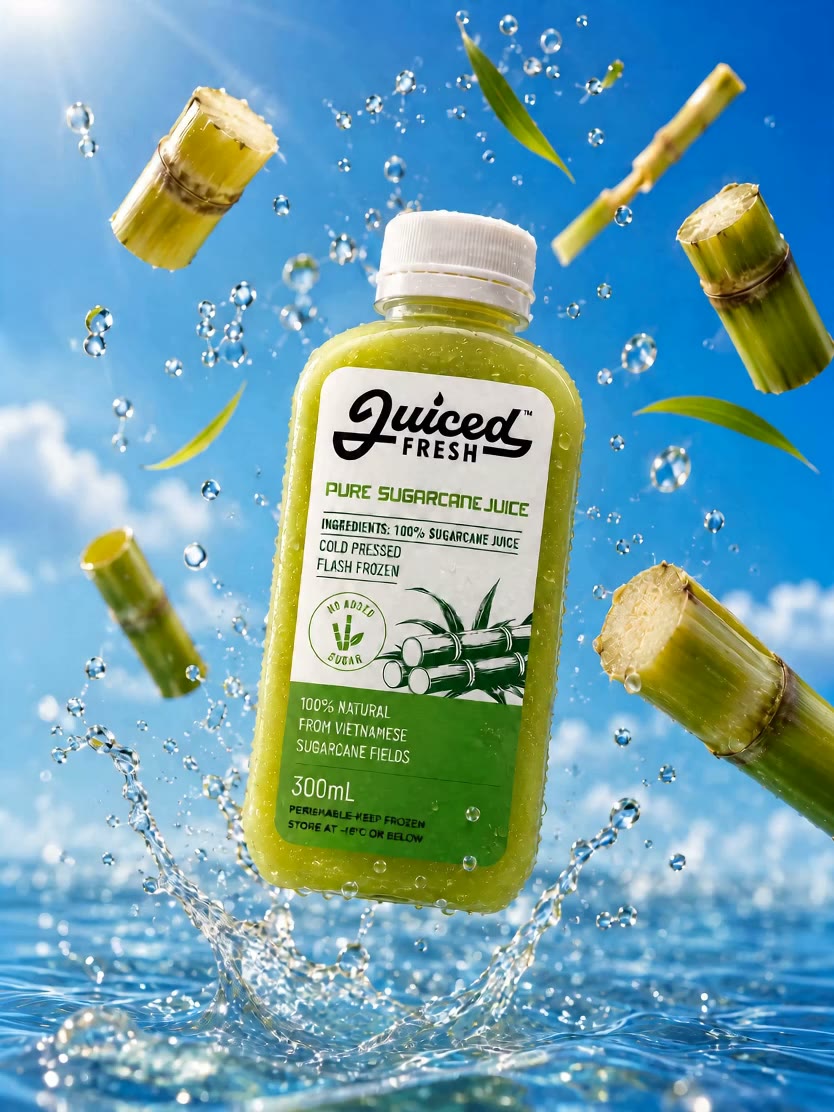
How to Choose a Sugarcane Supplier for Your Juice Bar
Selecting the right sugarcane supplier is critical for your juice bar's success. Learn what to look for in terms of quality, consistency, pricing, and reliability when evaluating sugarcane suppliers.
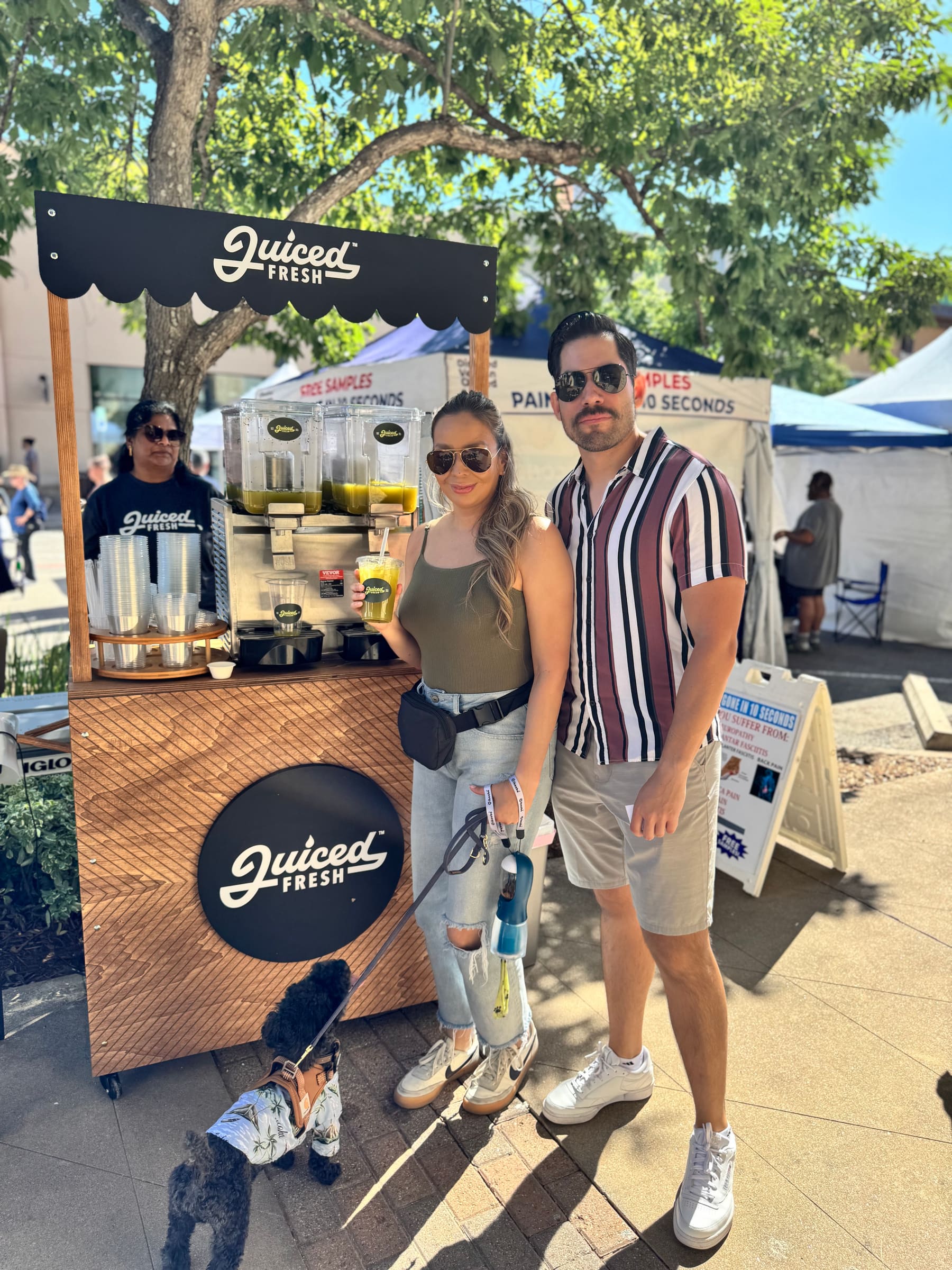
Running a successful juice bar requires reliable access to high-quality ingredients. For businesses serving fresh sugarcane juice, choosing the right sugarcane supplier can make or break your operation. This comprehensive guide will help you evaluate potential suppliers and make the best choice for your business.
Why Your Sugarcane Supplier Matters
The quality of your sugarcane directly impacts:
- Taste and customer satisfaction
- Juice yield and profitability
- Consistency of your product
- Food safety compliance
- Your brand reputation
A poor supplier relationship leads to:
- Inconsistent quality (moldy or low-sugar cane)
- Delivery delays affecting your operations
- Higher costs from waste and inefficiency
- Customer complaints and lost business
Key Factors When Evaluating Sugarcane Suppliers
Product Quality
The most important factor is consistent, high-quality sugarcane. Here's what to look for:
Sweetness (Brix Level):
- Premium sugarcane should have 15-20% brix (sugar content)
- Ask suppliers for brix specifications
- Request samples to test juice yield and sweetness
- Vietnamese sugarcane typically tests higher than US-grown
Freshness:
- Fresh cane deteriorates rapidly - within 48-72 hours of cutting
- Flash-frozen cane maintains quality for 6-12 months
- Check for signs of mold, black spots, or dried ends
- Ask about harvest-to-delivery timeline
Appearance:
- Stalks should be firm, heavy for their size
- Bright green or purple exterior (variety dependent)
- No visible damage, cracks, or soft spots
- Intact nodes with no brown discoloration
Reliability and Consistency
A reliable supplier ensures your business runs smoothly:
Delivery Schedule:
- Can they meet your weekly/monthly volume needs?
- Do they offer flexible ordering?
- What's their typical delivery time?
- Do they ship refrigerated/frozen?
Stock Availability:
- Is sugarcane available year-round?
- How do they handle seasonal variations?
- What's their backup plan for supply disruptions?
Quality Consistency:
- Is every shipment the same quality?
- Do they have quality control processes?
- Will they replace substandard product?
Pricing and Value
Evaluate total cost, not just per-pound pricing:
Direct Costs:
- Price per pound/case
- Minimum order requirements
- Shipping and handling fees
- Payment terms
Hidden Costs to Consider:
- Waste from poor quality (can add 10-30% to costs)
- Storage requirements (refrigeration vs. freezer)
- Labor for sorting/cleaning inferior cane
- Customer complaints from inconsistency
Value-Added Services:
- Pre-cut or peeled options
- Custom packaging
- Technical support and training
- Marketing materials
Food Safety and Compliance
Protect your business and customers:
Certifications:
- USDA food handling compliance
- FDA registration (for imports)
- Any relevant organic or specialty certifications
Traceability:
- Can they trace product back to source farms?
- Do they have documentation for inspections?
- What's their recall procedure?
Handling Practices:
- Frozen-logistics management
- Sanitation procedures
- Pest control measures
- Storage conditions
Communication and Support
A good supplier is a business partner:
Responsiveness:
- How quickly do they respond to inquiries?
- Are they available during business hours?
- Do they have dedicated account managers?
Problem Resolution:
- How do they handle quality issues?
- What's their returns/credit policy?
- Are they proactive about potential problems?
Red Flags to Watch For
Avoid suppliers who:
- Can't provide samples before ordering
- Have no clear quality specifications
- Won't share sourcing information
- Have inconsistent pricing
- Make unrealistic claims
- Have poor reviews or no references
- Require excessive minimum orders for new customers
- Don't offer refrigerated/frozen options
Questions to Ask Potential Suppliers
Before committing, ask these questions:
Where do you source your sugarcane?
What's your typical brix level?
How is the cane processed and stored?
What's your minimum order quantity?
Do you offer samples?
What's your delivery schedule and timeline?
How do you handle quality issues?
Can you provide customer references?
What certifications do you have?
Is the product available year-round?
Making the Final Decision
Our recommendation for juice bars:
Start Small:
- Order sample cases from 2-3 suppliers
- Test juice yield, sweetness, and appearance
- Evaluate delivery reliability over 2-4 weeks
Consider Flash-Frozen Vietnamese Sugarcane:
- Superior sweetness (higher brix)
- Consistent quality year-round
- Longer storage life reduces waste
- No seasonal availability issues
- Ships from US warehouses (faster delivery)
Why Juiced Fresh is the Choice for Juice Bars
At Juiced Fresh, we understand juice bar operations because we work with hundreds of them across the USA:
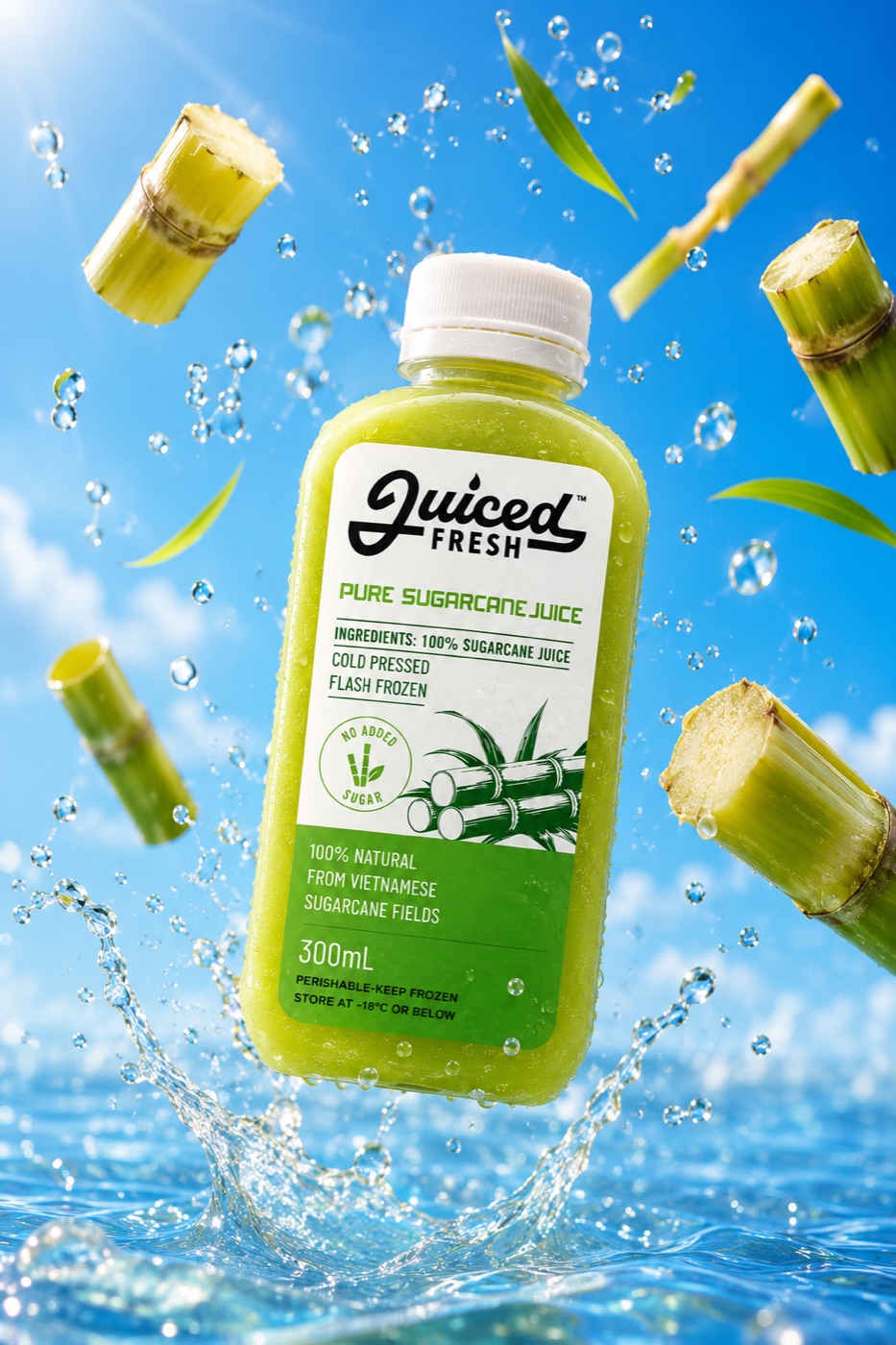
Premium Vietnamese Sugarcane:
- Brix levels consistently 18-20%
- Flash-frozen within hours of harvest
- Year-round availability
- Ships from our Texas warehouse
Juice Bar Friendly:
- Flexible ordering (cases to pallets)
- Fast shipping (2-5 business days)
- No excessive minimums for new customers
- Free samples available
Full Support:
- Dedicated account managers
- Menu development assistance
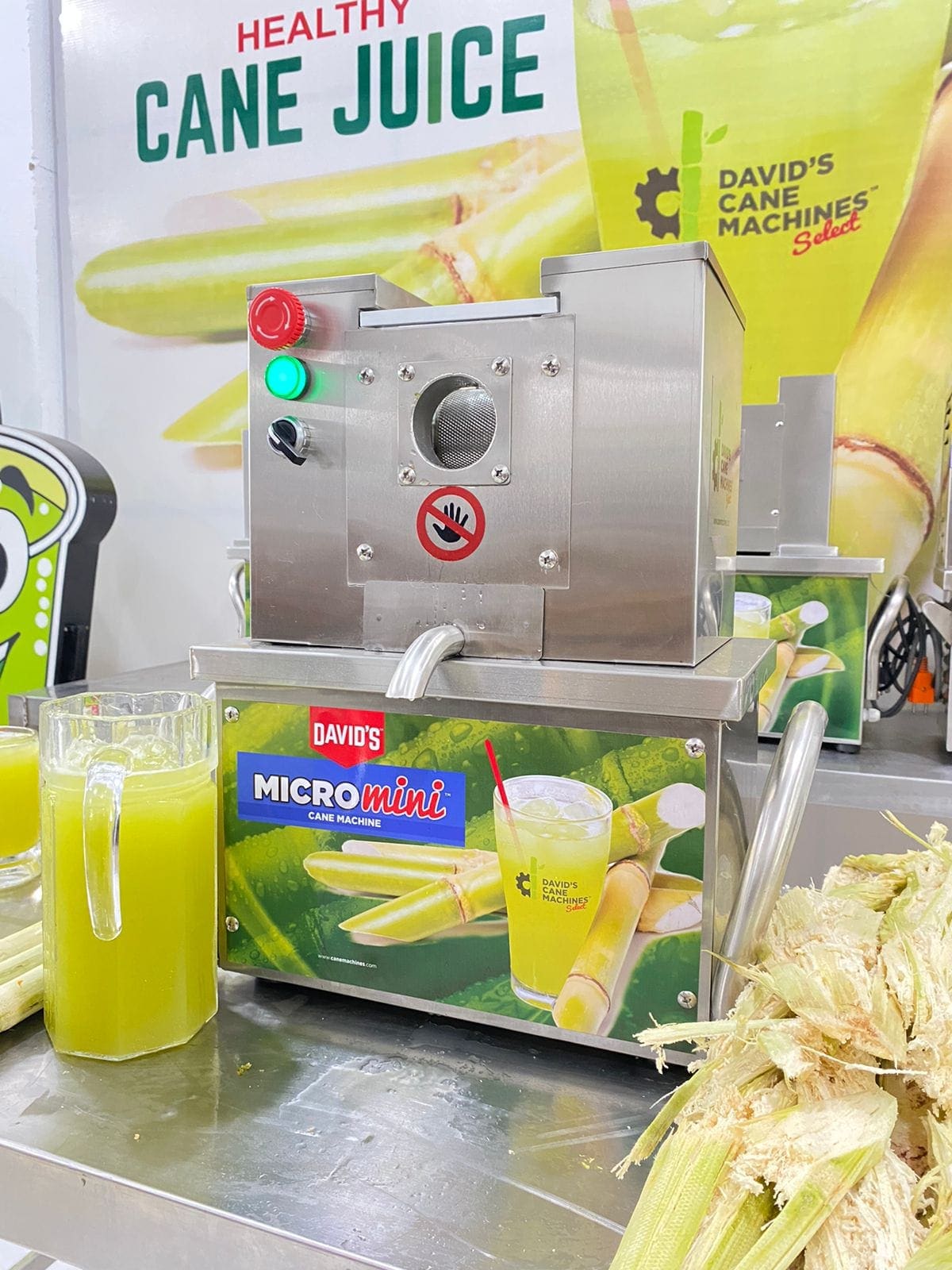
- Technical support for juicing equipment
- Marketing materials
Contact us today for a free sample and consultation. We'll help you evaluate whether our sugarcane meets your juice bar's needs-no pressure, no obligation.
Phone/WhatsApp: +1 (201) 920-9678
Published by Juiced Fresh.
Notes from the warehouse, the farm, and the bars we supply. See all Field Notes