Cost Analysis: Making Fresh Sugarcane Juice vs. Buying Pre-Made Alternatives
Is making fresh sugarcane juice more cost-effective than selling pre-made alternatives? This comprehensive cost analysis breaks down all expenses, profit margins, and ROI to help juice bar owners make informed decisions.
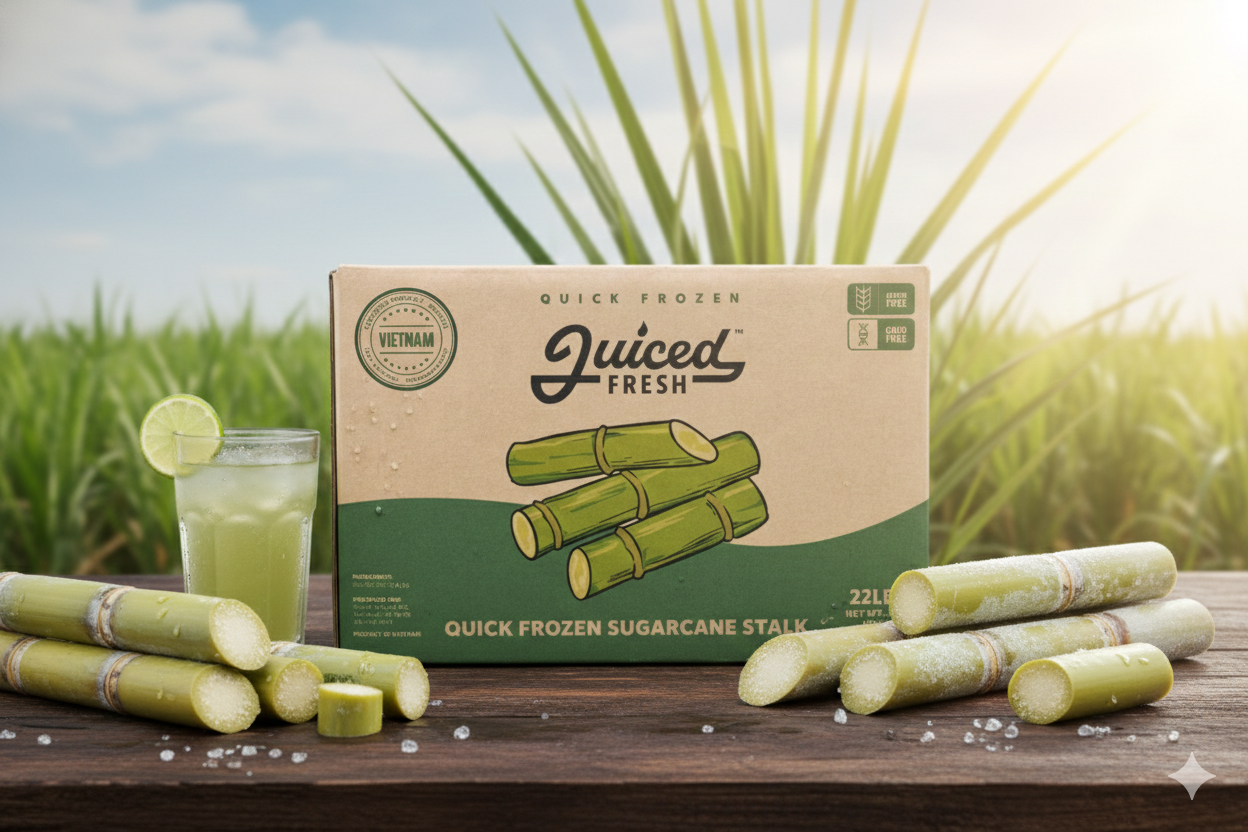
Whether you're starting a juice bar or evaluating your current operations, the question is critical: Should you make fresh sugarcane juice or sell pre-made alternatives? This comprehensive analysis examines all costs, profit margins, and factors to help you make the best decision for your business.
The Short Answer
For most juice bars focused on quality and profitability, fresh sugarcane juice offers significantly better margins and customer appeal-despite higher startup costs. The exception: Very low-volume operations (under 10 servings/day) may benefit from alternatives.
Let's dive into the numbers.
Understanding Your Options
Option 1: Fresh-Pressed Sugarcane Juice
How It Works:
- Purchase fresh or flash-frozen sugarcane
- Press to order using commercial juicer
- Serve immediately to customers
Option 2: Pre-Made Sugarcane Juice (Refrigerated)
How It Works:
- Purchase pre-pressed juice from suppliers
- Store refrigerated (shelf life 3-5 days)
- Serve as-is or dilute
Option 3: Concentrated Sugarcane Juice
How It Works:
- Purchase concentrated syrup
- Dilute with water (typically 1:5 or 1:8 ratio)
- Serve over ice
Option 4: Sugarcane-Flavored Beverages
How It Works:
- Purchase sugarcane-flavored drink mixes or concentrates
- May contain little to no actual sugarcane
- Serve as alternative to fresh juice
Complete Cost Breakdown: Fresh Sugarcane Juice
Startup Costs:
Equipment Investment:
- Commercial sugarcane juicer: $1,500-$3,000
(Our recommendation: David's Cane Machine at $1,699)
- Refrigeration for storage: $500-$2,000
(If not already available)
- Serving equipment: $100-$300
(Pitchers, serving glasses, tongs, cutting board, knives)
Total Initial Investment: $2,100-$5,300
Per-Serving Costs (8 oz):
Sugarcane (Cost per lb varies by source):
Flash-Frozen Vietnamese (Premium):
- Cost: $2.50-$3.00 per lb
- Yield: 2-2.5 servings per lb (depending on juicer quality)
- Per-serving cost: $1.00-$1.50
Fresh Local (When Available):
- Cost: $1.50-$2.50 per lb
- Yield: 1.8-2.2 servings per lb (higher waste)
- Per-serving cost: $0.70-$1.40
Operating Costs per Serving:
- Electricity: $0.05-$0.10
- Cleaning supplies: $0.05-$0.10
- Packaging (cup, lid, straw): $0.15-$0.30
- Labor (3 minutes at $15/hour): $0.75
- Equipment wear/depreciation: $0.10-$0.15
Total Per-Serving Cost: $2.10-$3.30
(Using premium flash-frozen sugarcane)
Revenue:
- Typical menu price: $6.00-$8.00 per 8 oz serving
- Average: $7.00
Gross Profit per Serving: $3.70-$4.90
Profit Margin: 53-70%
Annual Profit Potential (50 servings/day, 5 days/week):
- Daily profit: $185-$245
- Weekly profit: $925-$1,225
- Annual profit: $48,100-$63,700
Payback Period on Equipment: Under 2 weeks!
Complete Cost Breakdown: Pre-Made Sugarcane Juice
Startup Costs:
Equipment Investment:
- Commercial refrigeration: $500-$2,000
(If not already available)
- Serving equipment: $50-$150
Total Initial Investment: $550-$2,150
Per-Serving Costs (8 oz):
Pre-Made Juice Purchase:
- Cost per gallon: $25-$40
- Servings per gallon: 16
- Per-serving cost: $1.55-$2.50
Operating Costs per Serving:
- Electricity (refrigeration): $0.05
- Packaging: $0.15-$0.30
- Labor (30 seconds at $15/hour): $0.12
- Waste (spoilage): $0.10-$0.20
Total Per-Serving Cost: $1.97-$3.17
Revenue:
- Typical menu price: $5.00-$6.00
(Lower due to perceived lower quality)
- Average: $5.50
Gross Profit per Serving: $2.33-$3.53
Profit Margin: 42-64%
Annual Profit Potential (50 servings/day, 5 days/week):
- Daily profit: $116-$176
- Weekly profit: $580-$880
- Annual profit: $30,160-$45,760
Complete Cost Breakdown: Concentrated Juice
Startup Costs:
Equipment Investment:
- Commercial refrigeration: $500-$2,000
- Mixing equipment: $200-$500
- Serving equipment: $50-$150
Total Initial Investment: $750-$2,650
Per-Serving Costs (8 oz):
Concentrate Purchase:
- Cost per gallon concentrate: $40-$60
- Dilution ratio: 1:5
- Effective servings: 80-96 per gallon concentrate
- Per-serving cost: $0.42-$0.75
Operating Costs per Serving:
- Water (filtered): $0.02
- Electricity: $0.05
- Packaging: $0.15-$0.30
- Labor (1 minute at $15/hour): $0.25
- Ice: $0.05
Total Per-Serving Cost: $0.94-$1.42
Revenue:
- Typical menu price: $4.00-$5.00
(Lower due to obvious dilution and lower quality)
- Average: $4.50
Gross Profit per Serving: $3.08-$3.56
Profit Margin: 68-79%
Wait-This Looks Profitable!
On paper, concentrate appears to have the best margins. But there are critical hidden costs:
- Customer acquisition cost (poor perceived value)
- Lower repeat purchase rates
- Negative reviews and reputation damage
- Can't charge premium prices
- Brand damage if discovered
Annual Profit Potential (50 servings/day, 5 days/week):
- Only achievable if customers keep buying
- In reality, most businesses see declining sales after initial trial
- Not recommended for quality-focused brands
The Hidden Costs of Alternatives
Customer Perception and Willingness to Pay
Fresh-Pressed:
- Customers perceive it as premium
- Willing to pay $7-$10 per serving
- Instagram-worthy presentation
- Draws foot traffic (watching juicing is engaging)
Pre-Made:
- Perceived as convenient but lower quality
- Price ceiling around $6
- No theater or engagement
- Doesn't differentiate your business
Concentrate:
- Perceived as artificial (even if it isn't)
- Significant price resistance
- "Fake juice" reputation risk
- Customers feel deceived if they discover dilution
Repeat Business and Loyalty
Fresh-Pressed:
- Higher customer satisfaction scores
- 60-70% repeat customer rate
- Positive word-of-mouth marketing
- Social media sharing (free marketing)
Pre-Made:
- Moderate satisfaction
- 30-40% repeat customer rate
- Limited word-of-mouth
- Competes with grocery store options
Concentrate:
- Low satisfaction when compared to fresh
- 15-25% repeat customer rate
- Risk of negative word-of-mouth
- Price-sensitive customer base only
Brand Positioning
Fresh-Pressed:
- Positions you as premium, authentic
- Supports higher prices across menu
- Creates strong brand identity
- Attracts health-conscious, quality-focused customers
Pre-Made:
- Positions you as convenience-focused
- Moderate brand strength
- Competes with supermarkets
- Attracts price-conscious customers
Concentrate:
- Positions you as budget/fake
- Weak brand strength
- Constant price pressure
- Attracts deal-seekers, not loyal customers
Marketing and Differentiation
Fresh-Pressed:
- Strong differentiator from competitors
- Built-in content for social media (process videos)
- Easy to explain value proposition
- Attracts press and influencer attention
Pre-Made:
- Difficult to differentiate
- Limited content opportunities
- Generic positioning
- Competes mainly on convenience
Real-World Scenarios
Scenario 1: Urban Juice Bar (100 servings/day)
Fresh-Pressed Approach:
- Daily revenue: $700 (at $7/serving)
- Daily profit: $370-$490
- Annual profit: $96,200-$127,400
- Strong brand, loyal customers, premium positioning
Pre-Made Approach:
- Daily revenue: $550 (at $5.50/serving)
- Daily profit: $233-$353
- Annual profit: $60,580-$91,780
- Moderate brand, some loyalty, mid-market positioning
The Verdict: Fresh-pressed generates $35,620-$35,620 MORE in annual profit
Scenario 2: Small Cafe Add-On (20 servings/day)
Fresh-Pressed Approach:
- Daily revenue: $140
- Daily profit: $74-$98
- Annual profit: $19,240-$25,480
- Equipment pays for itself in 2-3 weeks
Pre-Made Approach:
- Daily revenue: $110
- Daily profit: $46-$70
- Annual profit: $11,960-$18,200
- Lower investment but also lower returns
The Verdict: Fresh-pressed still generates $7,280 MORE annually
Scenario 3: Very Low Volume (5 servings/day)
Fresh-Pressed Approach:
- Daily revenue: $35
- Daily profit: $18-$24
- Annual profit: $4,680-$6,240
- Equipment payback: 10-14 weeks
- May be challenging to justify
Pre-Made Approach:
- Daily revenue: $27.50
- Daily profit: $11-$17
- Annual profit: $2,860-$4,420
- Lower investment makes more sense
The Verdict: At very low volumes, pre-made may be more appropriate
Important Considerations Beyond Pure Costs
Juice Quality and Taste:
Fresh-Pressed:
- Maximum nutrition and enzyme content
- Peak flavor and sweetness
- No preservatives needed
- Maintains natural color
Pre-Made:
- Some nutrient degradation
- Flavor deterioration over time
- Often requires preservatives
- Color may darken
Operational Factors:
Fresh-Pressed:
- Requires sugarcane inventory management
- Daily cleaning (15-20 minutes)
- Staff training on juicing technique
- Equipment maintenance (minimal but necessary)
Pre-Made:
- Simple inventory (fewer SKUs)
- Minimal cleaning
- No training needed
- No equipment maintenance
Food Safety:
Fresh-Pressed:
- Juice made to order (lowest contamination risk)
- Proper equipment cleaning critical
- Quality control at service
- No preservation concerns
Pre-Made:
- Must manage frozen logistics carefully
- Shelf life tracking essential
- Risk of spoilage if not managed
- Dependent on supplier quality control
Recommendations by Business Type
For New Juice Bars:
Start with fresh-pressed from day one
- Higher profits justify investment
- Establishes premium positioning
- Creates brand differentiation
- Builds customer loyalty from start
For Existing Cafes/Restaurants Adding Juice:
Fresh-pressed if expecting 15+ servings/day
- Investment pays back quickly
- Adds unique menu item
- Creates interesting visual element
- Supports premium pricing
For Very Small Operations (under 10/day):
Consider pre-made initially with plan to upgrade
- Lower risk for testing market
- Can transition to fresh when volume justifies
- Manage customer expectations clearly
For Catering/Events:
Fresh-pressed with flash-frozen sugarcane
- On-site juicing creates entertainment
- Premium positioning supports event pricing
- Flash-frozen eliminates spoilage risk
- Easy to scale up or down
Not Recommended for Quality Brands:
- Concentrate (damages brand reputation)
- Sugarcane-flavored drinks (not authentic)
The Juiced Fresh Advantage
We specialize in supporting fresh sugarcane juice businesses:
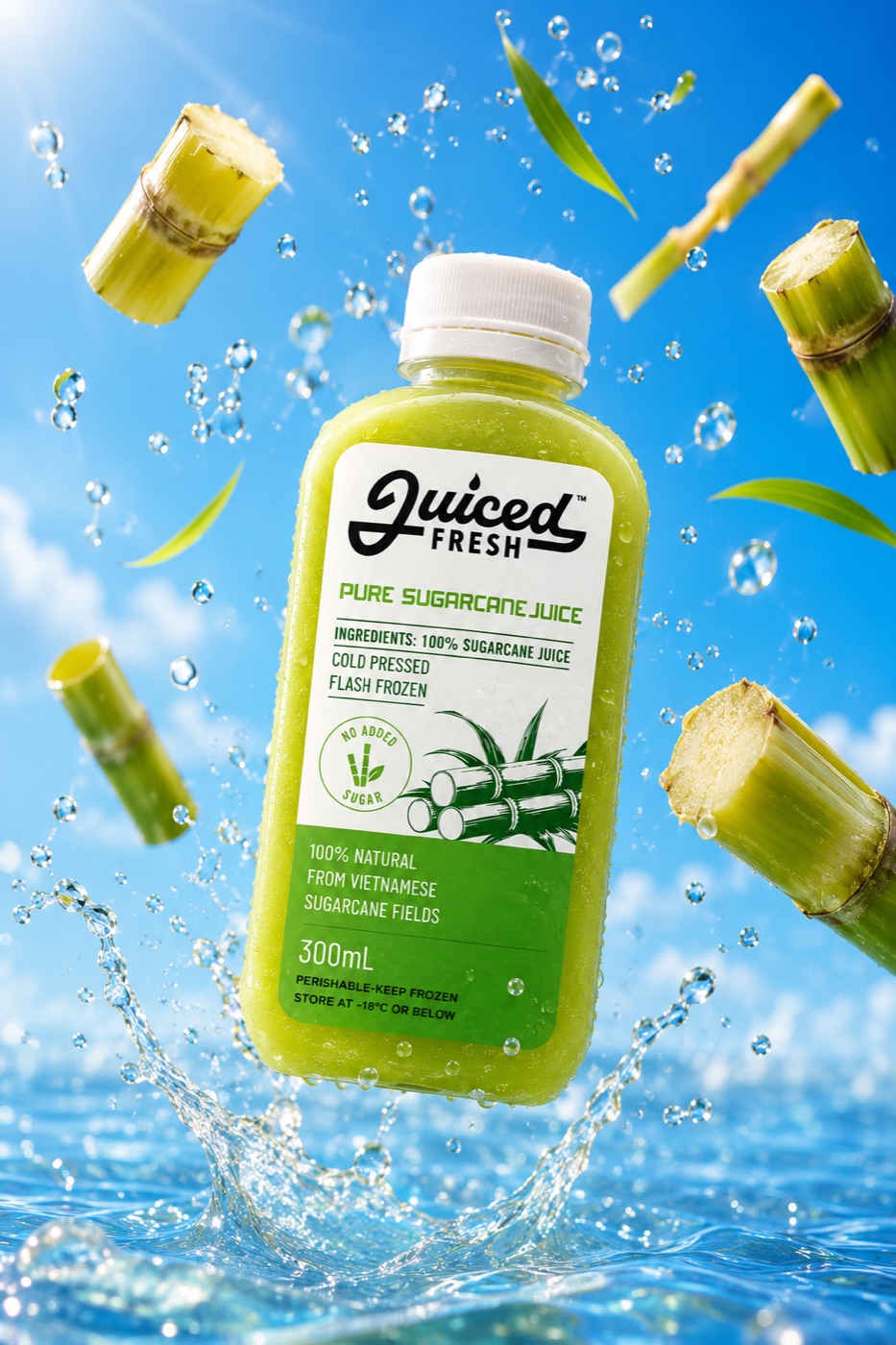
Premium Flash-Frozen Sugarcane:
- Consistent pricing year-round
- No seasonal availability issues
- 6-12 month shelf life
- Zero waste from spoilage
- Locked-in peak quality
David's Cane Machine:
- Superior juice yield (saves money on every serving)
- $1,699 (excellent ROI)
- Reliable and durable
- Simple to clean and maintain
- Full support and training
Business Support:
- Help calculating your specific ROI
- Menu development assistance
- Marketing materials and support
- Ongoing technical support
- Flexible ordering for any volume
The Bottom Line
For most juice businesses, fresh sugarcane juice offers:
✓ Higher profit margins (53-70% vs. 42-64%)
✓ Better customer satisfaction and loyalty
✓ Premium brand positioning
✓ Marketing and differentiation advantages
✓ Higher revenue per customer
✓ Sustainable competitive advantage
The initial equipment investment pays for itself in weeks, not months.
Ready to run the numbers for your specific business? Try our sugarcane juice calculator, then contact Juiced Fresh at +1 (201) 920-9678. We'll help you calculate your projected ROI and develop a plan for success with fresh sugarcane juice.
Your customers deserve the real thing-and your bottom line will thank you.
Published by Juiced Fresh.
Notes from the warehouse, the farm, and the bars we supply. See all Field Notes