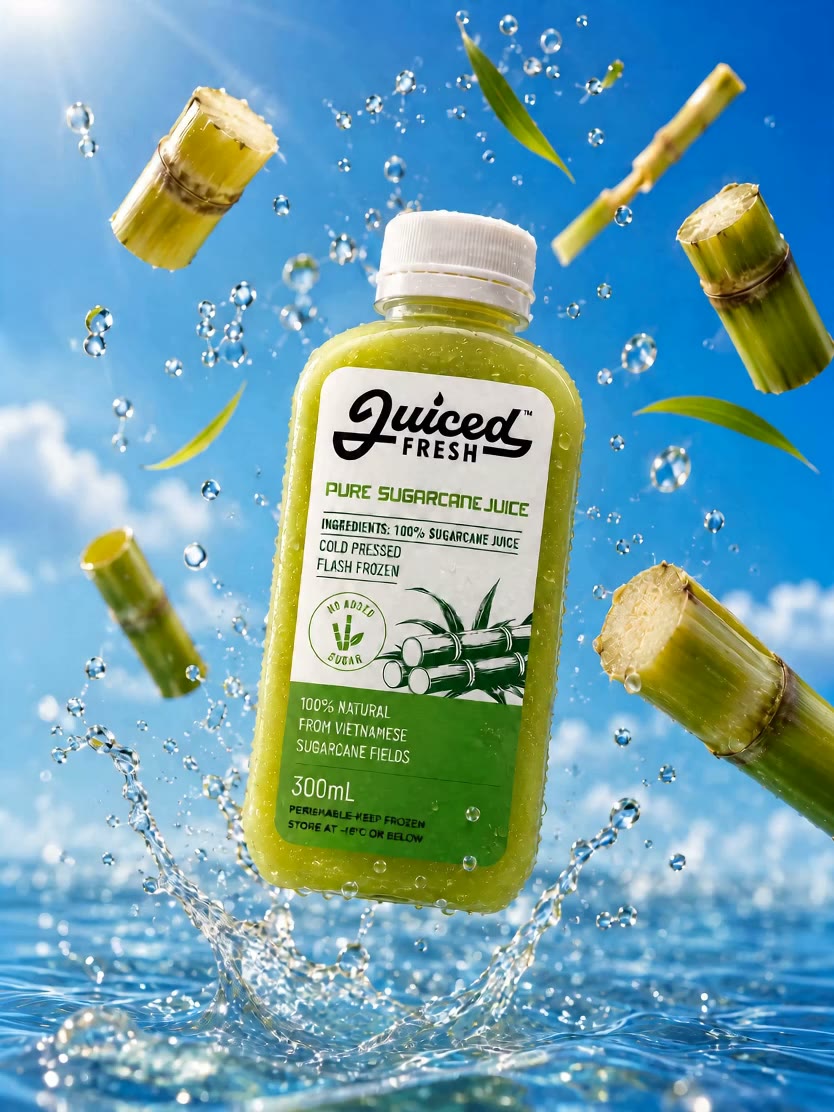
How to Start a Sugarcane Juice Business: Complete Guide for Entrepreneurs
Thinking about starting a sugarcane juice business? This comprehensive guide covers everything from equipment and suppliers to marketing and profit margins. Learn how to launch a successful juice bar or add sugarcane juice to your existing menu.
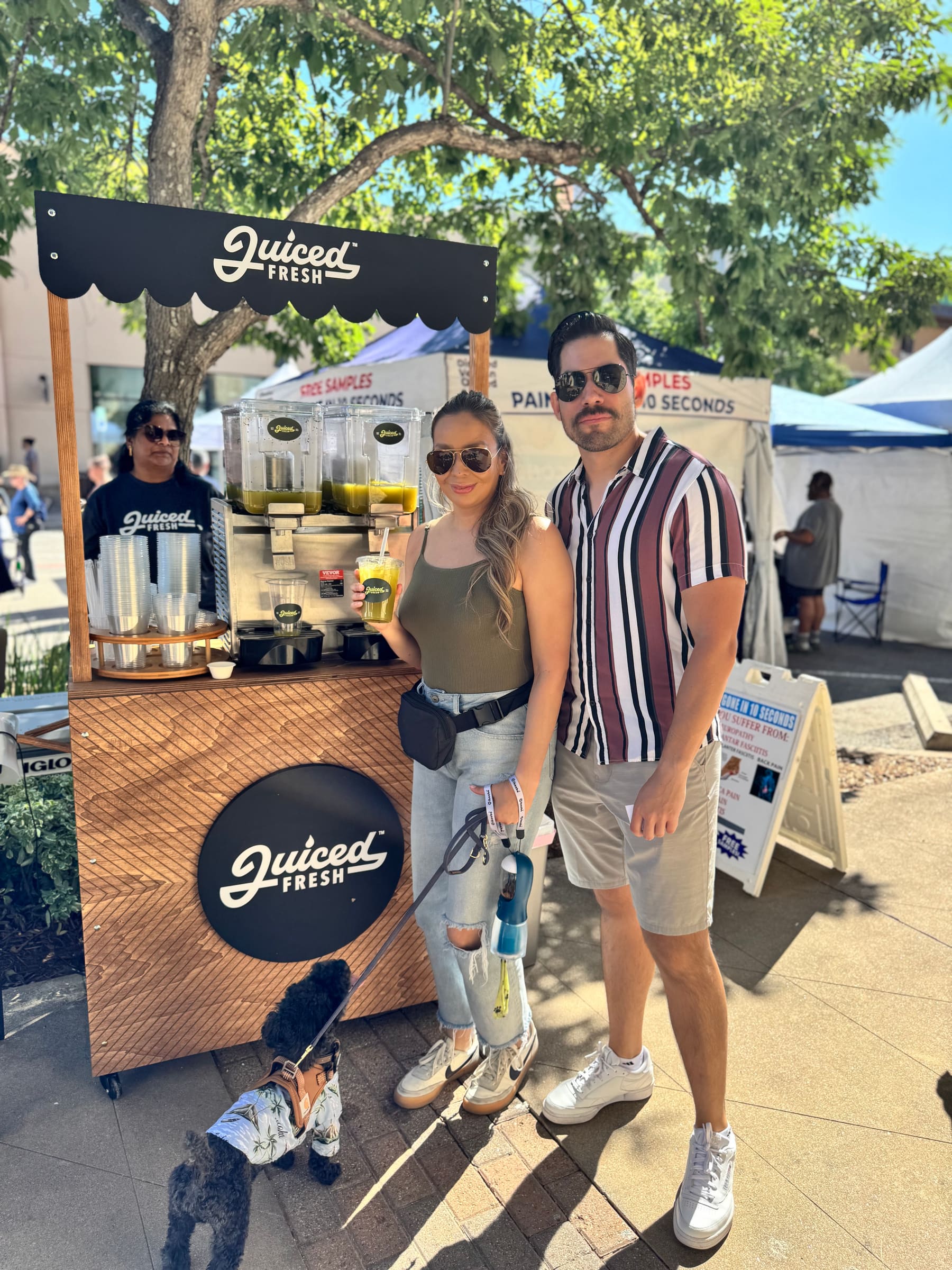
The sugarcane juice business is experiencing remarkable growth in the United States as consumers seek healthier, natural beverage alternatives. With profit margins of 70-80% and growing demand for fresh, organic drinks, now is the perfect time to enter this lucrative market.
Whether you're opening a dedicated juice bar, adding sugarcane juice to your restaurant menu, or starting a mobile juice cart, this complete guide will walk you through every step of launching a successful sugarcane juice business.
Market Opportunity and Trends
The health beverage industry is booming. Americans are moving away from sodas and artificial drinks toward natural, nutrient-rich alternatives. Sugarcane juice fits perfectly into this trend:
- Natural Energy: Consumers seek natural energy sources instead of artificial energy drinks
- Clean Label: Zero preservatives, artificial flavors, or colors
- Instagrammable: Visually appealing fresh-pressed juice attracts social media attention
- Premium Pricing: Customers willingly pay $5-8 per serving for fresh, quality beverages
- Growing Awareness: Asian, Latin, and Caribbean communities drive mainstream adoption
Step 1: Choose Your Business Model
Juice Bar or Cafe
Dedicated space focusing on fresh juices, smoothies, and light snacks. Requires higher investment but allows for brand building and customer loyalty.
Investment: $30,000-$100,000
Pros: High-volume potential, brand control, customer relationships
Cons: Higher overhead, location dependent, staffing needs
Restaurant Add-On
Integrate sugarcane juice into your existing menu as a premium beverage option.
Investment: $3,000-$10,000
Pros: Low additional overhead, existing customer base, menu diversification
Cons: Limited focus, may require staff training, space constraints
Mobile Cart or Truck
Lower-cost entry point with flexibility to test different locations and events.
Investment: $10,000-$30,000
Pros: Lower startup costs, location flexibility, test markets easily
Cons: Weather dependent, permit challenges, limited storage
Wholesale Supply
Provide fresh-pressed sugarcane juice to restaurants, cafes, and retailers.
Investment: $20,000-$50,000
Pros: Scalable, B2B relationships, consistent orders
Cons: Lower margins, equipment intensive, food safety requirements
Step 2: Essential Equipment
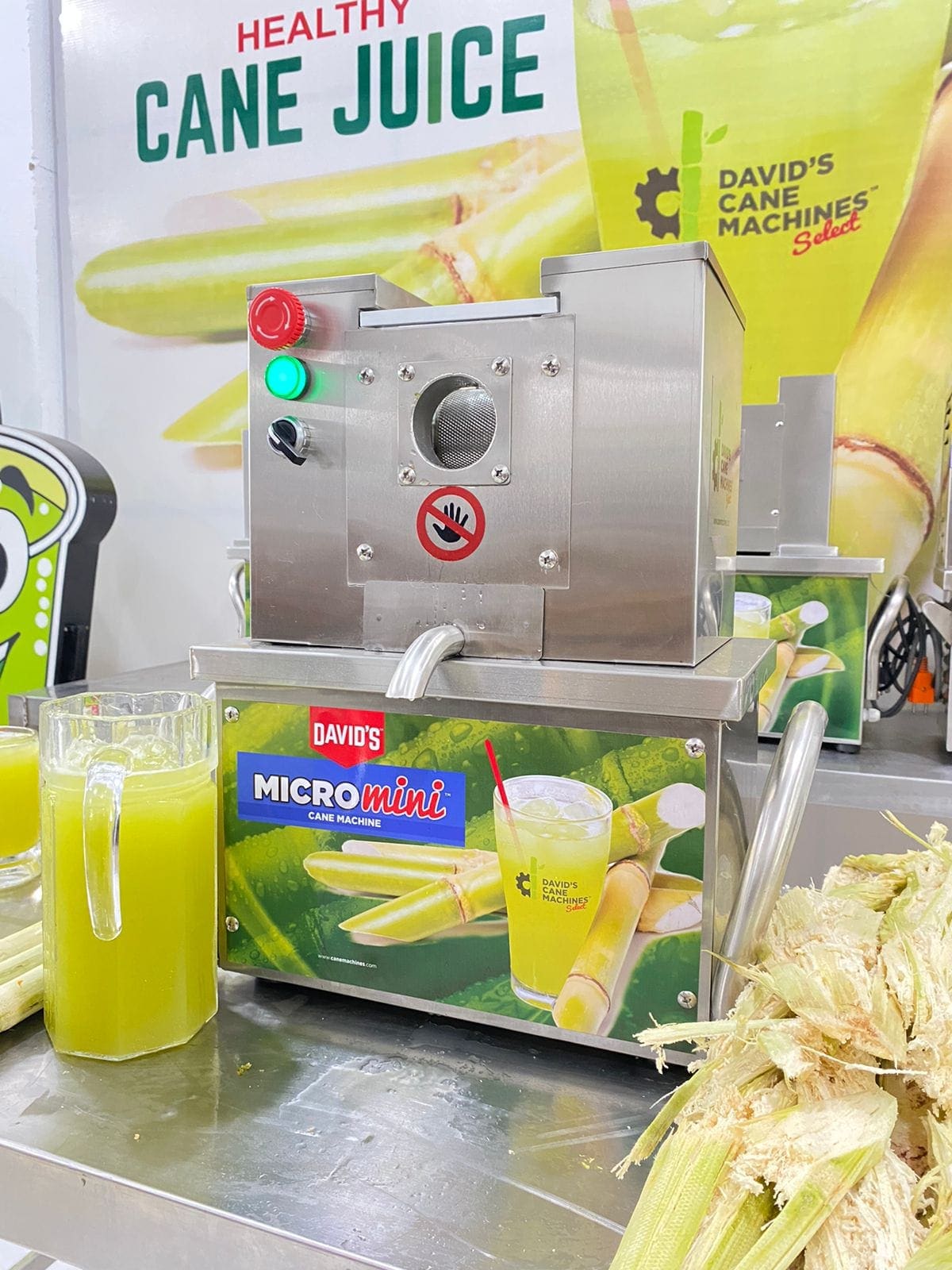
The Juicer
Your most important investment. Options include:
Manual Press ($300-$800)
- Suitable for: Demos and very small operations
- Capacity: 10-20 lbs/hour
- Pros: Low cost, simple maintenance
- Cons: Labor intensive, limited capacity
Electric Commercial Juicer ($1,500-$3,500)
- Suitable for: Juice bars, restaurants, cafes
- Capacity: 100-200 lbs/hour
- Pros: Efficient, consistent quality, moderate investment
- Cons: Requires electricity, regular maintenance
Premium Vietnamese Juicer ($1,699+)
- Suitable for: Serious businesses, high-volume operations
- Capacity: 100+ lbs/hour with superior extraction
- Pros: Maximum juice yield, durability, professional results
- Cons: Higher upfront cost
Additional Equipment:
- Refrigeration unit ($500-$2,000)
- Display cooler ($800-$2,500)
- Cutting boards and knives ($100)
- Glassware or cups ($200-$500)
- POS system ($500-$1,500)
- Cleaning supplies ($100)
Step 3: Source Quality Sugarcane
Your juice quality depends entirely on your sugarcane source. You have two options:
Fresh Local Cane
Pros: Appears "fresh," local sourcing story
Cons: Inconsistent quality, spoilage issues, mold problems, limited availability, higher waste
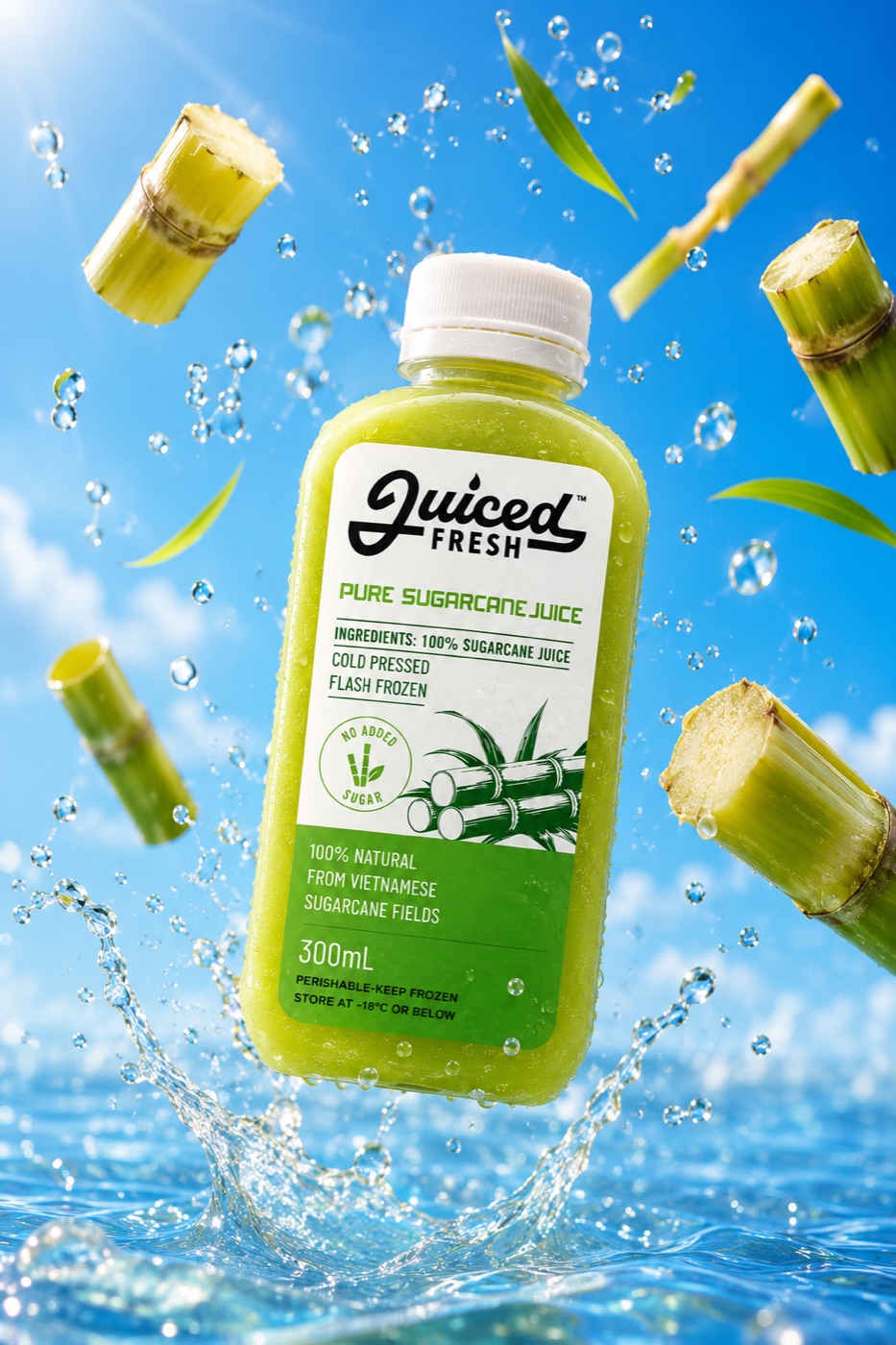
Flash-Frozen Vietnamese Cane (Recommended)
Pros: Consistent quality, no mold, longer storage, superior sweetness, reliable supply
Cons: Requires freezer space, "frozen" may sound less fresh to uninformed customers
At Juiced Fresh, we recommend flash-frozen Vietnamese sugarcane for several reasons:
- Harvested at peak ripeness and immediately frozen
- No quality degradation or mold issues
- Consistent sweetness and flavor year-round
- Lower waste and spoilage
- Cost-effective with better margins
Calculate approximately 1 lb of sugarcane yields 10-12 oz of juice, and use our sugarcane juice calculator to run the numbers for your volume. Plan your inventory based on projected sales.
Step 4: Understand Your Costs and Pricing
Cost Per Serving (16 oz):
- Sugarcane (1.5 lbs): $1.50-$2.00
- Cup and straw: $0.30
- Labor (5 minutes): $0.75
- Overhead (rent, utilities): $0.50
Total cost: $3.05-$3.55
Suggested Menu Price: $6.00-$8.00
Profit per serving: $2.45-$4.95
Profit margin: 62-70%
These margins are significantly higher than most food and beverage businesses, making sugarcane juice an extremely profitable addition to any menu.
Step 5: Obtain Permits and Licenses
Required permits vary by location but typically include:
- Business license
- Food service permit
- Health department inspection
- Sales tax permit
- Employer Identification Number (EIN)
- Certificate of occupancy (for brick-and-mortar)
- Mobile food vendor permit (for carts)
Contact your local health department and small business administration for specific requirements in your area.
Step 6: Develop Your Menu and Pricing
Start with core offerings:
Pure Sugarcane Juice ($6-7)
- The foundation of your business
- No additives, just pure pressed cane
Sugarcane + Lemon ($7-8)
- Adds vitamin C and zesty flavor
- Very popular combination
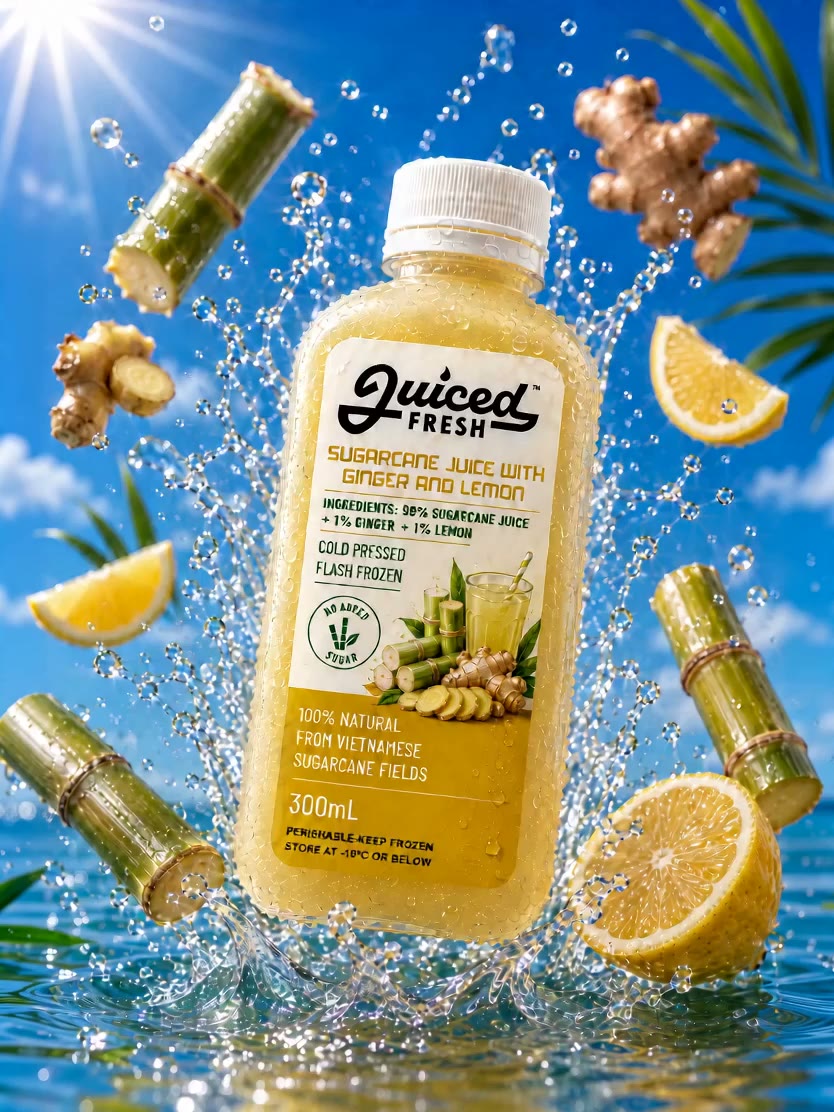
Sugarcane + Ginger ($7-8)
- Anti-inflammatory properties
- Unique, sophisticated flavor
Sugarcane + Mint ($7-8)
- Refreshing and cooling
- Perfect for summer
Premium Blends ($8-10)
- Sugarcane + Passion Fruit
- Sugarcane + Coconut Water
- Sugarcane + Calamansi
Consider offering:
- Small (12 oz), Medium (16 oz), Large (20 oz) sizes
- Daily specials and seasonal flavors
- Loyalty programs (buy 10, get 1 free)
- Bulk orders for events
Step 7: Marketing Your Sugarcane Juice Business
Digital Marketing:
- Instagram: Post photos of fresh-pressed juice, behind-the-scenes
- TikTok: Short videos of juice pressing process (highly engaging)
- Google Business Profile: Essential for local SEO
- Facebook: Community engagement, events, promotions
- Website: Menu, location, contact, online ordering
Local Marketing:
- Grand opening event with samples
- Partner with gyms and yoga studios
- Attend farmers markets and local events
- Offer corporate catering and event services
- Collaborate with health-focused businesses
Word of Mouth:
- Exceptional customer service
- Consistent quality
- Unique experience (watch juice being pressed)
- Sampling programs in high-traffic areas
Step 8: Operations and Best Practices
Daily Operations:
- Prep sugarcane in advance (wash, cut, store)
- Maintain cleanliness (health inspections)
- Monitor inventory and ordering
- Track sales and customer preferences
- Staff training on quality and efficiency
Quality Control:
- Source consistently high-quality cane
- Clean equipment between batches
- Serve juice immediately after pressing
- Maintain proper refrigeration
- Discard any questionable product
Customer Experience:
- Fast service (under 3 minutes per order)
- Friendly, knowledgeable staff
- Clean, inviting space
- Educational materials about health benefits
- Consistent product quality
Common Challenges and Solutions
Challenge: Sugarcane supply inconsistency
Solution: Partner with reliable suppliers like Juiced Fresh for flash-frozen, consistent quality
Challenge: Equipment breakdowns
Solution: Invest in quality equipment, maintain regularly, have backup equipment
Challenge: Slow initial traffic
Solution: Sampling, social media marketing, partner with local businesses
Challenge: Seasonal demand fluctuations
Solution: Diversify menu, offer hot variations in winter, market year-round benefits
Success Stories
Many entrepreneurs have built thriving businesses around fresh sugarcane juice:
- Miami juice bar: $300,000 annual revenue, opened second location after year one
- Los Angeles food truck: $150,000 annual revenue, consistent festival and event bookings
- New York restaurant: Added sugarcane juice, increased beverage sales by 40%
Is a Sugarcane Juice Business Right for You?
This business is ideal if you:
- Are passionate about health and wellness
- Enjoy customer interaction
- Want a business with strong profit margins
- Have access to foot traffic or events
- Are willing to educate customers about a unique product
Getting Started with Juiced Fresh
Ready to launch your sugarcane juice business? Juiced Fresh provides everything you need:
- Premium flash-frozen Vietnamese sugarcane
- Commercial-grade juicing equipment
- Business consultation and support
- Reliable, consistent supply chain
- Competitive wholesale pricing
Contact us at +1 (201) 920-9678 to discuss your business plans and get started with a reliable sugarcane supplier. We've helped dozens of entrepreneurs launch successful juice businesses, and we're ready to help you too.
Published by Juiced Fresh.
Notes from the warehouse, the farm, and the bars we supply. See all Field Notes