The Complete Guide to Storing and Handling Fresh Sugarcane Stalks
Proper storage and handling of fresh sugarcane stalks is essential for maintaining quality, preventing spoilage, and maximizing juice yield. Learn professional techniques for storing, preparing, and extending the shelf life of your sugarcane inventory.
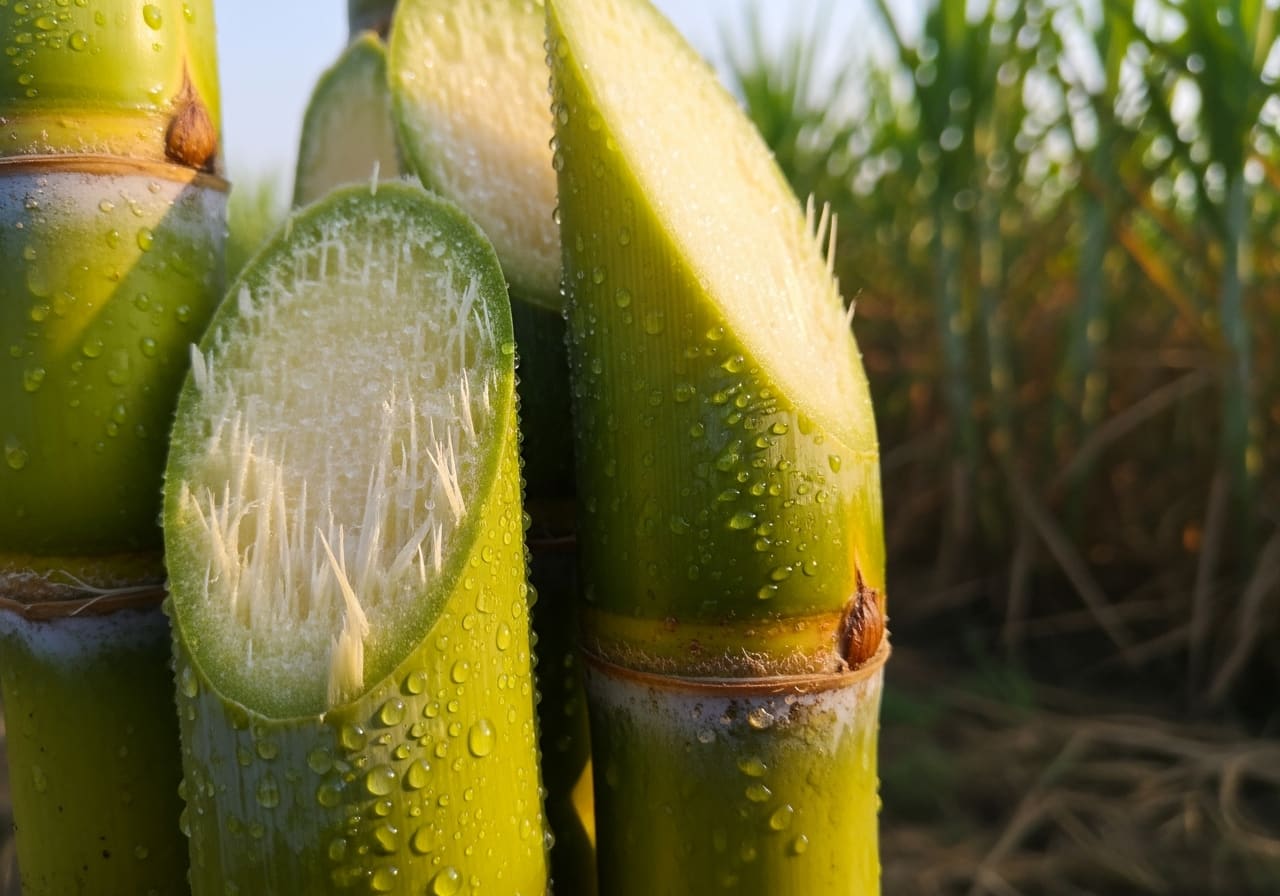
Whether you're running a juice bar, restaurant, or simply enjoy fresh sugarcane at home, proper storage and handling techniques are critical for maintaining quality. Improper storage leads to mold growth, quality degradation, and wasted product. This comprehensive guide will teach you professional methods for keeping your sugarcane fresh, safe, and delicious.
Understanding Sugarcane Shelf Life
Fresh vs. Flash-Frozen:
Fresh Sugarcane (Room Temperature):
- Shelf life: 2-3 days maximum
- Rapid quality degradation
- Mold risk increases hourly
- Sweetness declines quickly
- Best consumed immediately
Fresh Sugarcane (Refrigerated):
- Shelf life: 5-7 days
- Slower degradation
- Reduced mold risk
- Maintains reasonable quality
- Requires proper wrapping
Flash-Frozen Sugarcane:
- Shelf life: 6-12 months
- Quality locked in at harvest
- Zero mold risk
- Consistent sweetness
- Recommended for businesses
The Science of Sugarcane Degradation
After harvest, several processes affect sugarcane quality:
Respiration
Sugarcane continues to "breathe" after cutting, consuming its own sugars and producing heat. This reduces sweetness and accelerates spoilage.
Moisture Loss
Cut surfaces lose moisture rapidly, causing stalks to dry out and become fibrous. This reduces juice yield and affects texture.
Microbial Growth
Mold and bacteria thrive on the sugar-rich surface of sugarcane, especially in warm, humid conditions. This creates health risks and off-flavors.
Enzymatic Activity
Natural enzymes break down cell walls and nutrients, degrading both quality and nutritional value.
Receiving and Inspecting Sugarcane
Upon Delivery:
Visual Inspection:
✓ Bright, vibrant color (varies by variety)
✓ Firm texture when squeezed
✓ No black spots or discoloration
✓ No visible mold or fuzzy growth
✓ Fresh, sweet smell (not sour or fermented)
✓ Nodes (joints) intact and healthy
Reject if you see:
✗ Black spots or extensive browning
✗ Slimy texture or sticky residue
✗ Mold growth (white, green, or black)
✗ Sour or fermented odor
✗ Excessive dryness or cracking
✗ Signs of insect infestation
Quality Testing:
- Cut a small section and juice it
- Check sweetness level
- Verify juice yield meets expectations
- Assess color and clarity
Document Everything:
- Date received
- Supplier information
- Visual quality notes
- Any concerns or issues
- Temperature upon arrival
Proper Storage Methods
Method 1: Refrigerated Storage (Fresh Cane)
Ideal Temperature: 35-40°F (2-4°C)
Humidity: 85-90%
Maximum Duration: 5-7 days
Step-by-Step Process:
Clean Stalks:
- Rinse under cold water
- Remove loose dirt and debris
- Pat dry with clean towels
- Do not remove outer layer yet
Wrap Properly:
- Use damp (not wet) cloth or paper towels
- Wrap loosely to allow air circulation
- Cover with plastic wrap or bags
- Leave small openings for air
Store Correctly:
- Place in coldest part of refrigerator
- Keep away from strong-smelling foods
- Store upright if possible
- Check daily for moisture and mold
Daily Maintenance:
- Inspect for mold growth
- Re-moisten wrapping if dry
- Remove any deteriorating stalks immediately
- Use oldest stock first (FIFO)
Method 2: Flash-Frozen Storage (Recommended for Businesses)
Ideal Temperature: 0°F (-18°C) or below
Humidity: Not critical when properly sealed
Maximum Duration: 6-12 months
Benefits:
- No daily monitoring required
- Consistent quality guaranteed
- No mold or spoilage risk
- Predictable inventory management
- Easy portion control
Storage Tips:
- Keep freezer at consistent temperature
- Avoid temperature fluctuations
- Store in original packaging
- Label with receipt date
- Use FIFO system
Thawing Process (full thawing instructions here):
- Move to refrigerator 12-24 hours before use
- Allow gradual thawing
- Use immediately after thawing
- Never refreeze after thawing
Method 3: Commercial Cold Storage
For high-volume operations:
Walk-In Cooler Setup:
- Maintain 35-38°F
- Install humidity control (85-90%)
- Ensure proper air circulation
- Organize for easy access and FIFO
- Implement monitoring systems
Storage Racks:
- Stainless steel or plastic (easy to clean)
- Slatted design for airflow
- Appropriate height for ergonomics
- Wheels for cleaning access
Monitoring Systems:
- Digital thermometers with alerts
- Humidity meters
- Daily log sheets
- Automated alerts for temperature changes
Preparing Sugarcane for Service
Washing and Cleaning:
Initial Rinse:
- Cold running water
- Soft brush for dirt removal
- Pay attention to nodes (joints)
- Inspect during washing
Sanitizing (Commercial):
- Food-safe sanitizer solution
- Follow product dilution instructions
- Brief soak (1-2 minutes)
- Thorough rinse with clean water
- Air dry or pat dry
Peeling and Cutting:
When to Peel:
- If outer layer appears damaged
- For premium presentation
- When requested by customers
- If you notice any discoloration
Cutting Techniques:
- Sharp, clean knife mandatory
- Cut into 6-8 inch sections
- Straight cuts for even juicing
- Remove any brown ends
- Clean cutting board between batches
Portion Control:
- Pre-cut for rush hours
- Store cut pieces in cold water (up to 2 hours)
- Add small ice cubes to water
- Cover to prevent drying
Presentation:
- Display in refrigerated case
- Attractive arrangement
- Proper labeling
- Replace frequently
Common Storage Mistakes to Avoid
Storing at Room Temperature
Results in rapid mold growth and quality loss within 24-48 hours.
Solution: Always refrigerate or freeze
Storing Wet Sugarcane
Excess moisture accelerates mold growth and bacterial contamination.
Solution: Pat dry before storage, use damp (not wet) wrapping
Ignoring Daily Inspection
One moldy stalk can contaminate others through spore spread.
Solution: Daily quality checks, immediate removal of any suspect stalks
Improper Wrapping
Airtight plastic without moisture causes condensation and mold.
Solution: Loose wrapping with some air circulation
Cross-Contamination
Storing with raw meat or strong-smelling foods affects flavor.
Solution: Dedicated storage area, proper organization
Temperature Fluctuations
Moving in and out of refrigeration speeds degradation.
Solution: Take only what you need, minimize door opening
Ignoring FIFO
Old stock sits while using new, leading to waste.
Solution: Strict first-in-first-out system, clear dating
Food Safety Considerations
Critical Control Points:
Receiving:
- Verify supplier reputation
- Temperature check upon delivery
- Visual and smell inspection
- Documentation of receipt
Storage:
- Maintain proper temperatures
- Monitor daily
- Separate from potential contaminants
- Regular cleaning of storage areas
Preparation:
- Hand washing before handling
- Clean cutting surfaces and tools
- Sanitize equipment between uses
- Minimize time at room temperature
Service:
- Fresh juice served immediately
- Discard anything questionable
- Proper waste disposal
- Customer-facing cleanliness
Health Department Compliance:
Documentation:
- Temperature logs
- Supplier information
- Receipt dates and use-by dates
- Cleaning schedules
- Staff training records
Inspections:
- Know your local requirements
- Maintain spotless storage areas
- Have documentation readily available
- Address violations immediately
Extending Shelf Life
Pre-Treatment Methods:
Citric Acid Dip:
- Dilute solution (1% citric acid)
- Brief dip of cut ends
- Slows browning and microbial growth
- Food-safe and natural
Modified Atmosphere Packaging:
- Professional vacuum sealing
- Extends fresh cane to 10-14 days
- Requires special equipment
- Best for wholesale operations
Best Practices for Different Business Types
Juice Bars:
- Order 2-3 times per week (fresh cane)
- Or use flash-frozen (more consistent)
- Pre-cut during slow periods
- Refrigerated display case
- Strict FIFO rotation
Restaurants:
- Order weekly with flash-frozen backup
- Dedicated refrigerator section
- Staff training on inspection
- Backup frozen supply for emergencies
Catering:
- Flash-frozen primary source
- Portable coolers with ice for transport
- Pre-prep day before events
- Backup supply always available
Cost Analysis: Fresh vs. Frozen Storage
Fresh Cane Costs:
- Higher product cost per lb
- 15-25% waste from spoilage
- Labor for daily monitoring
- Inconsistent quality
- Emergency reorders common
Flash-Frozen Costs:
- Moderate product cost
- 2-5% waste (minimal)
- Minimal monitoring required
- Consistent quality
- Predictable ordering
For most businesses, flash-frozen sugarcane offers better total cost of ownership despite potentially higher per-pound pricing.
Troubleshooting Common Issues
Problem: Mold appearing within 24 hours
Causes: Wet storage, warm temperature, contaminated storage area
Solution: Dry completely before storage, check refrigerator temperature, deep clean storage area
Problem: Stalks drying out
Causes: Too cold, insufficient humidity, unwrapped
Solution: Verify temp 35-40°F, add damp wrapping, increase humidity
Problem: Off-flavors in juice
Causes: Cross-contamination, beginning to ferment, improper washing
Solution: Dedicated storage, use immediately, improve washing protocol
Problem: Low juice yield
Causes: Dehydration, old stock, poor quality cane
Solution: Better storage methods, faster rotation, improve sourcing
The Juiced Fresh Advantage
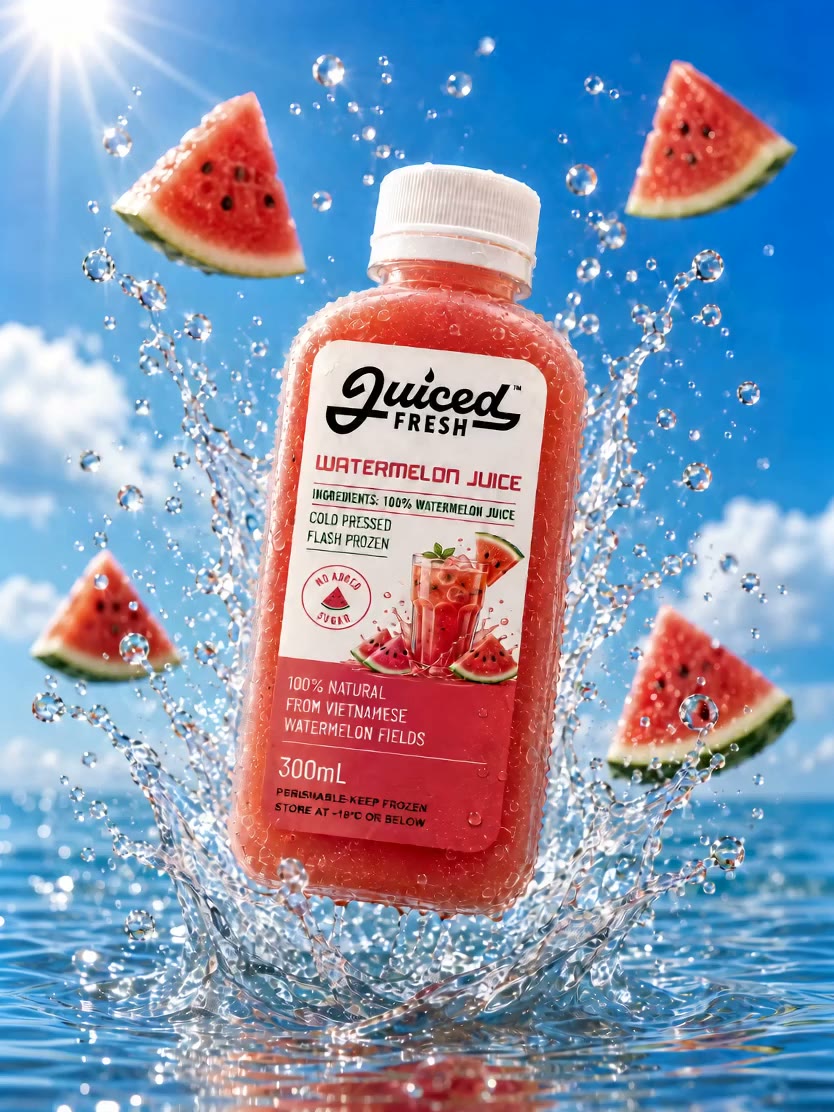
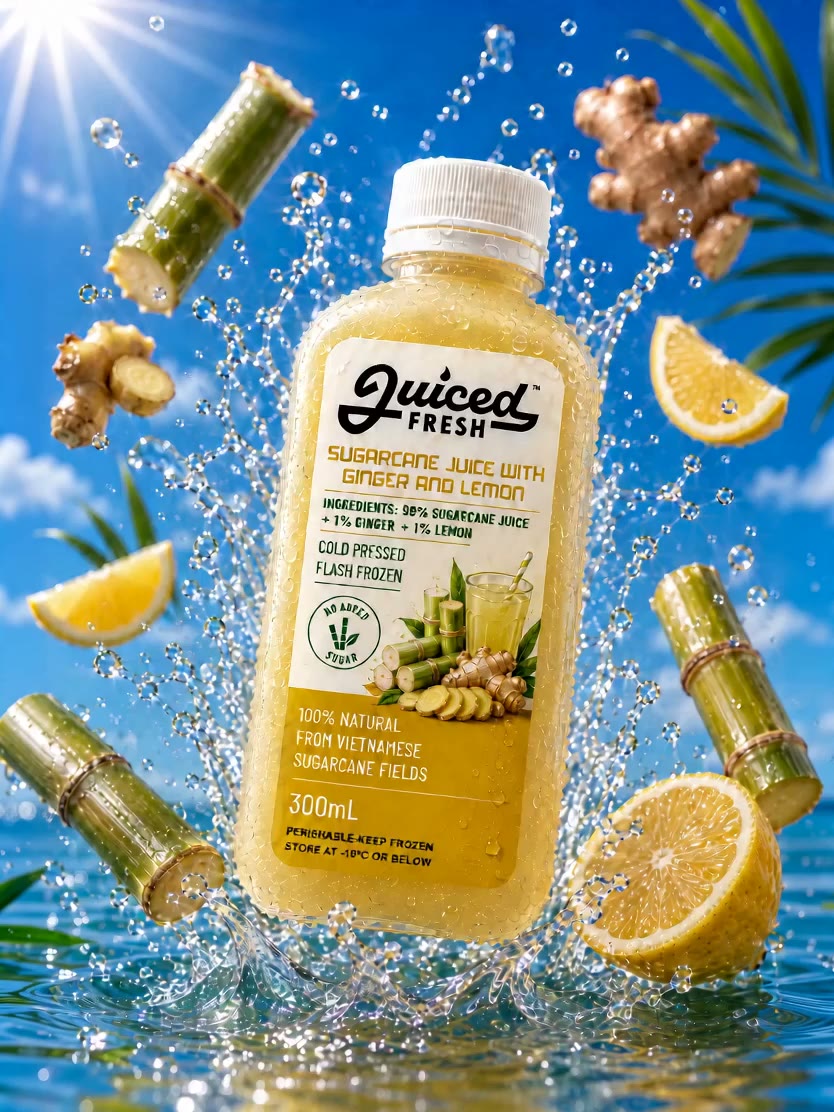
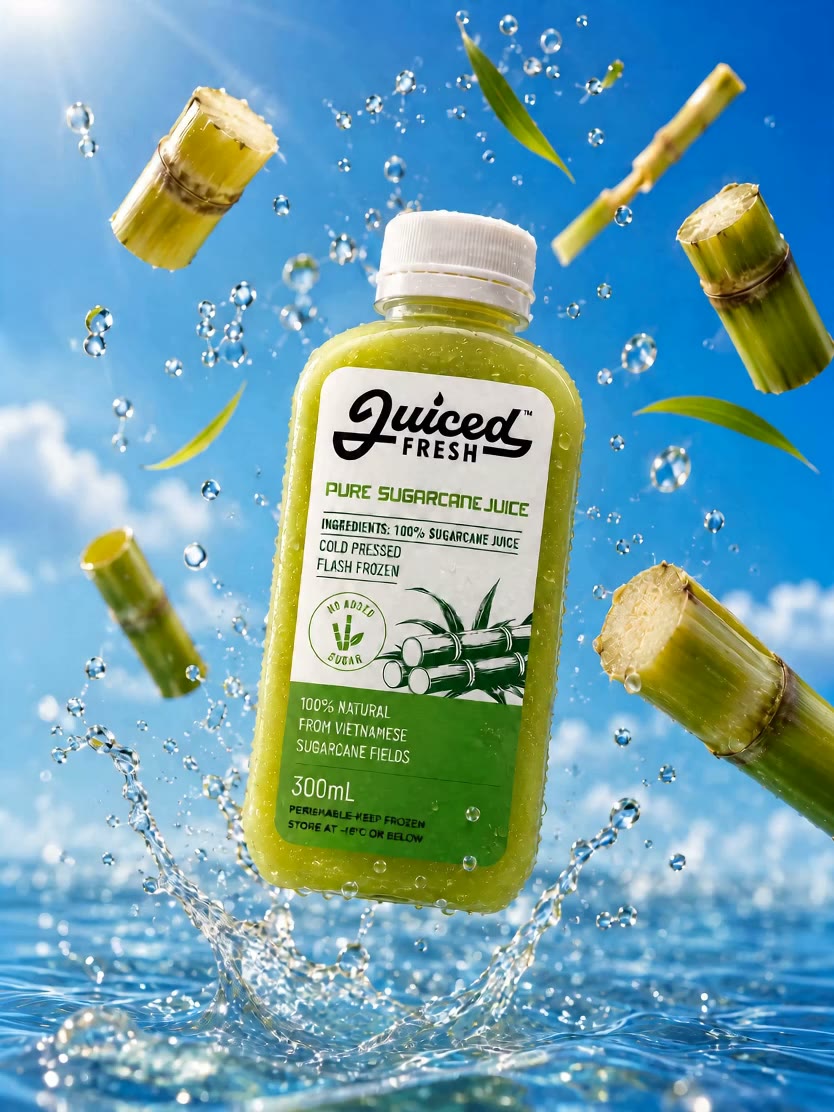
At Juiced Fresh, we eliminate storage headaches with premium flash-frozen Vietnamese sugarcane:
No Mold Worries:
- Flash-frozen within hours of harvest
- Zero risk of mold or spoilage
- Consistent quality guaranteed
Long Shelf Life:
- 6-12 months frozen storage
- Predictable inventory management
- Reduce waste to nearly zero
Superior Quality:
- Sweetness locked in at peak
- No quality degradation
- Same as fresh-harvested
Business Benefits:
- Simplify operations
- Reduce labor costs
- Eliminate emergency orders
- Improve profit margins
Conclusion
Proper sugarcane storage and handling separate successful juice businesses from those struggling with quality and waste issues. While fresh sugarcane requires significant attention and care, flash-frozen alternatives offer consistency and convenience without sacrificing quality.
For most businesses, we recommend flash-frozen Vietnamese sugarcane as your primary source, with fresh options available for special circumstances or customer requests.
Ready to simplify your sugarcane storage and eliminate quality concerns? Contact Juiced Fresh at +1 (201) 920-9678 to learn more about our flash-frozen premium sugarcane. We'll help you implement a system that ensures consistent quality and maximizes profitability.
Published by Juiced Fresh.
Notes from the warehouse, the farm, and the bars we supply. See all Field Notes