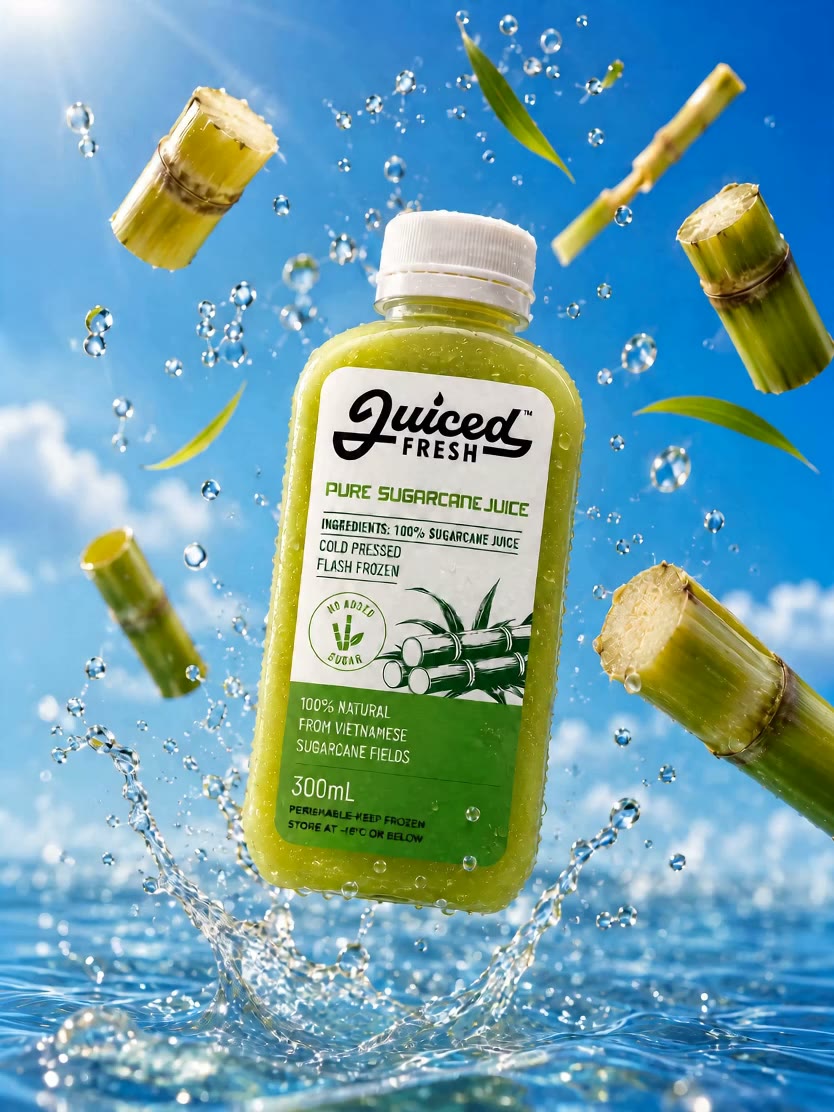
Sugarcane and Tropical Fruit at Food Trucks, Festivals, and Farmers Markets
Frozen tropical ingredients are built for event vending: you portion only what you sell, carry nothing perishable between dates, and pour a fresh-pressed cane cup that costs under $2 and sells for $7 to $9.
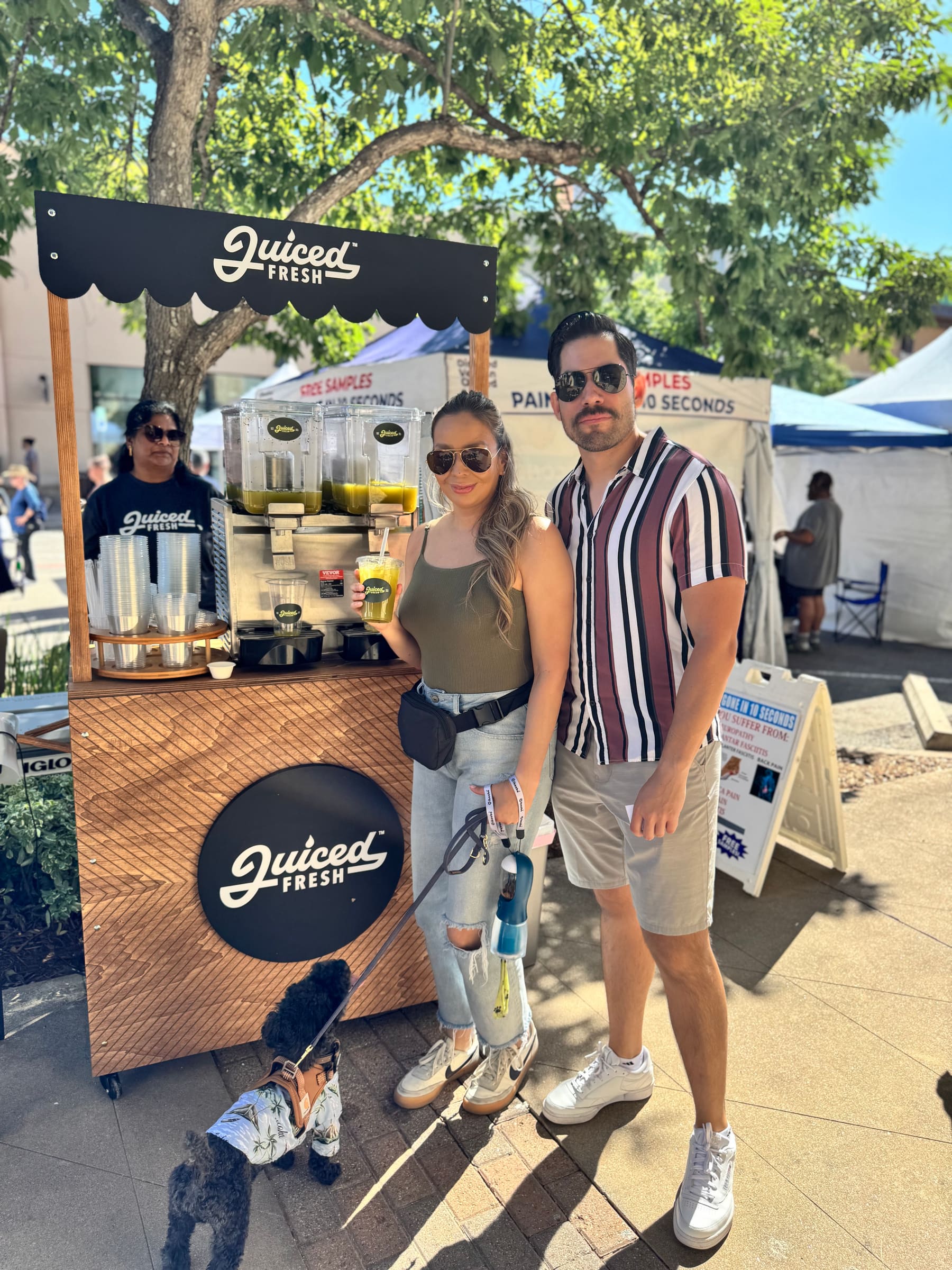
Event vending lives and dies on two numbers: what a cup costs you and what you can sell it for. Everything else is logistics. The hard part has never been the sell price. A fresh-pressed sugarcane cup commonly moves for $7 to $9 at a festival, and bright fruit slushies and bowls sit in the same range. The hard part is the cost side, because fresh produce forces you to guess demand days in advance and eat whatever you do not sell.
Frozen ingredients change that math. When your cane and fruit are flash-frozen and hold for up to two years, you stop forecasting and start portioning. You pull what the line in front of you actually wants, and the rest goes back in the freezer for the next date. For a vendor working unpredictable weekends, that single shift is the difference between a clean margin and a cooler full of waste.
This is operator-to-operator. Below is how the per-cup economics work, how to plan yield so you order the right number of cases per event, what to put on the menu, and how a two-year shelf life lets a seasonal stand stock once and pull as needed.
Why frozen fits event vending
Fresh fruit and cut cane start dying the moment they ship. You buy on Tuesday for a Saturday market, the weather turns, traffic is half what you hoped, and Monday you are throwing money in the bin. Do that across a season and spoilage quietly becomes your largest variable cost.
Frozen removes the clock. Our tropical produce and juice is single-origin and flash-frozen within about four hours of harvest at -35C, with no concentrate and no additives. It ships frozen from Austin, Texas, and reaches most of the country in 2 to 5 days. Once it is in your freezer it is inert. A slow market does not cost you inventory; it just means you pull fewer cases next time.
That inverts the usual event risk. With fresh, a bad-weather day is a double loss: no sales and dead stock. With frozen, a bad day is only soft sales, because the unsold portion is still good for the next event and the one after that. You are no longer betting on attendance. You are pouring against it in real time.
The operational fit goes further than waste. Frozen stock is consistent batch to batch, so the cane cup you pour in June tastes like the one in September. It is portion-controlled, so two people can run a stand without prep stations or a walk-in. And it travels well, which matters when your kitchen is a trailer or a folding table.
The per-cup economics
Start with cane, because the spread is the cleanest in the category.
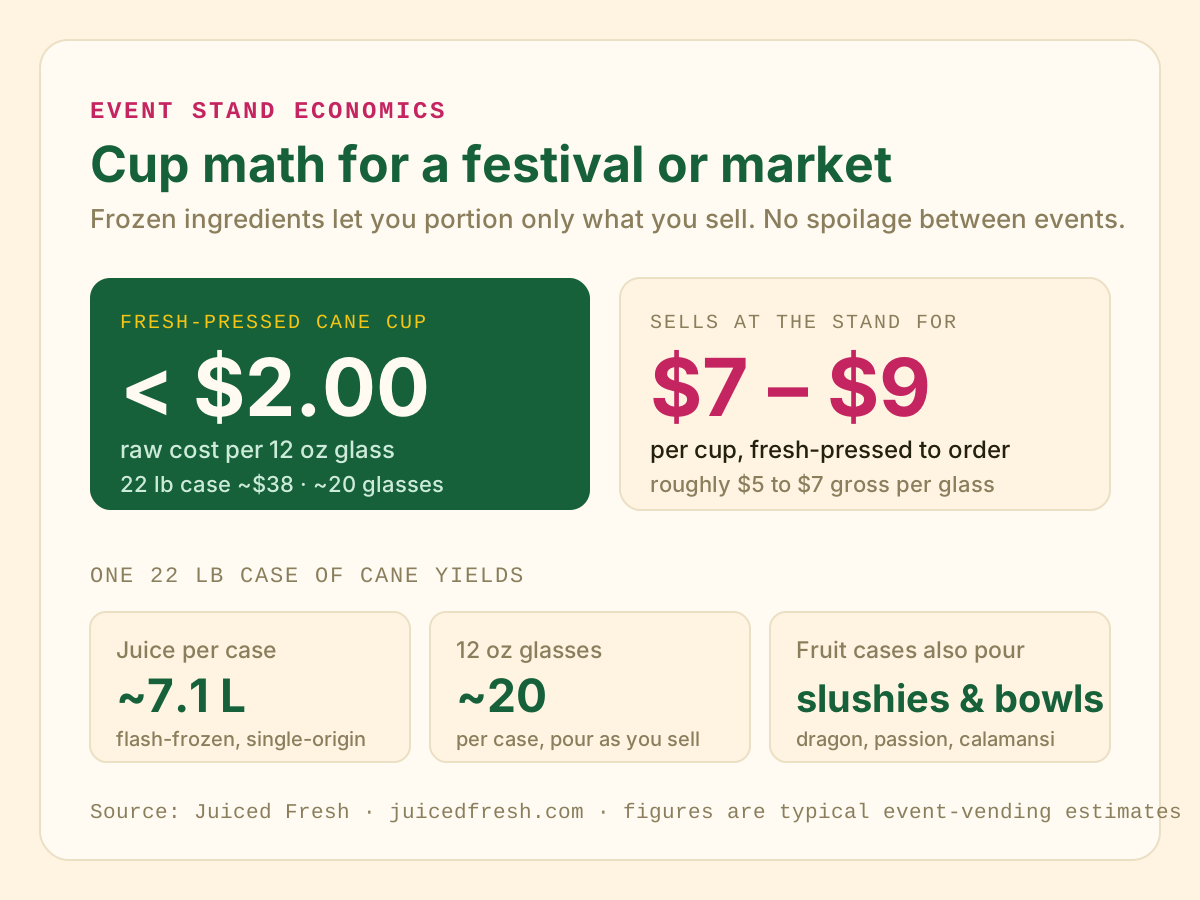
A 22 lb case of Sugarcane Stalks runs about $38 and yields roughly 7.1 liters of juice, which is around 20 twelve-ounce glasses. That puts your raw ingredient cost under $2 per glass. A fresh-pressed cane cup commonly sells for $7 to $9. So before labor and your booth fee, you are looking at roughly $5 to $7 of gross margin on every cup, with a product the customer watches get pressed in front of them.
Fruit drinks follow the same shape. The frozen fruit cases are built for slushies, bowls, and fruit drinks, and a little goes a long way per serving. Red dragon fruit is $99 for a 10 kg case, passion fruit is $132, and calamansi is $69. Because you are portioning a few ounces per drink, the per-cup ingredient cost stays low while the sell price holds in the same $7 to $9 band as cane. A dragon-fruit bowl or a passion-fruit slushie reads as premium and prices like one.
The point is not any single number. It is that frozen lets you hit these margins without the spoilage tax that normally claws them back. With fresh, a 70% theoretical margin erodes every time you dump unsold stock. With frozen, the margin you calculate is close to the margin you keep. If you want to model your own builds, the margin calculator on the site lets you plug in your case cost, pour size, and sell price.
Operations, equipment, and yield planning
The setup is lighter than most vendors expect.
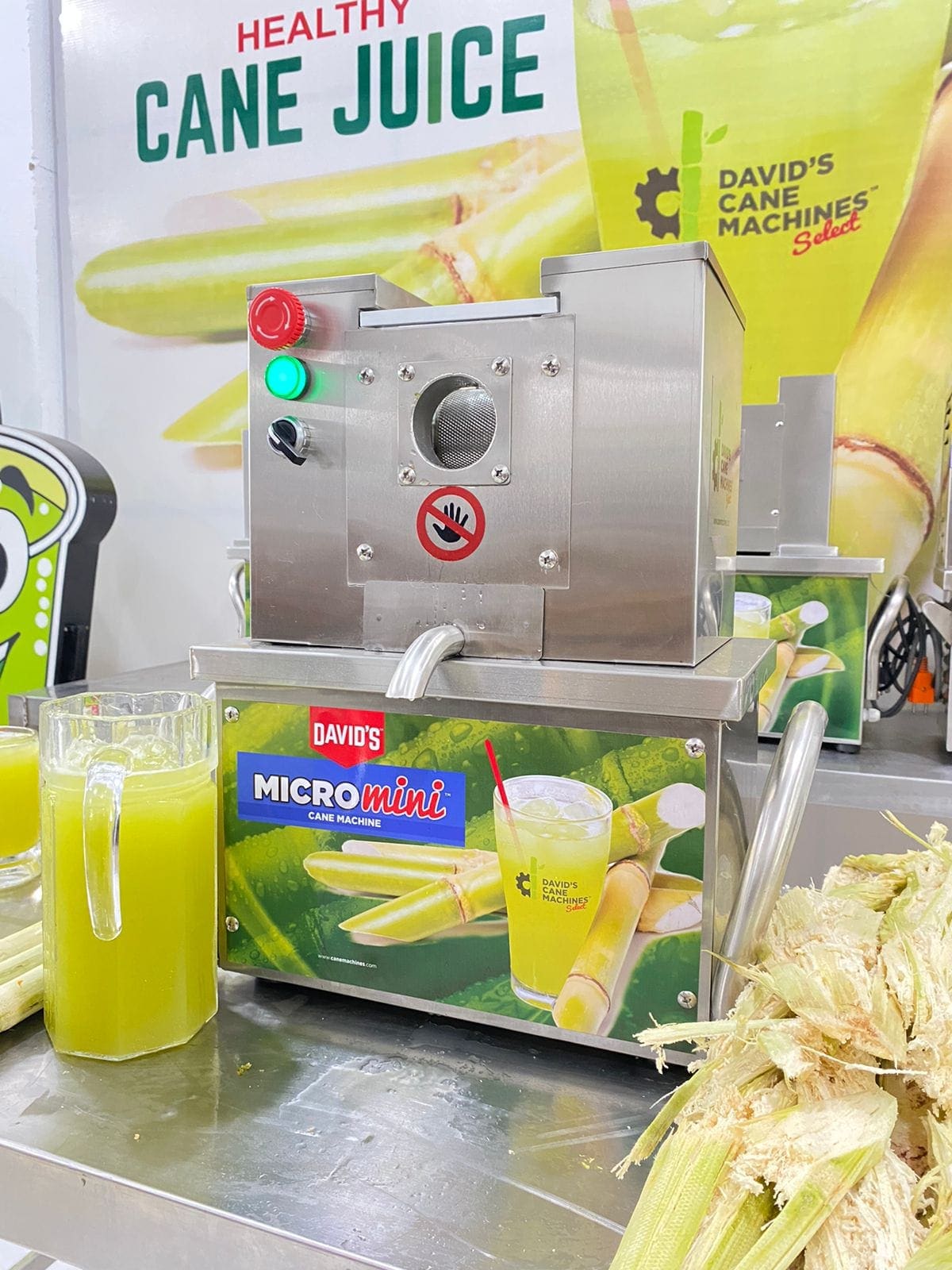
For cane, the core piece is a sugarcane press. The frozen stalks thaw and feed through a standard roller press the same way fresh cane does, and a single press keeps up with a steady line. Beyond that you need a cooler or chest freezer to hold frozen cases on site, cups, ice, and a hand-wash setup per your local health code. That is a workable footprint for a food truck window or a 10-by-10 market tent.
For fruit, the kit is even simpler. A commercial blender turns a frozen fruit case into slushies and smoothie bases, and bowls need little more than a scoop and your toppings. No press required. Many vendors run cane and fruit side by side off the same freezer, which spreads your fixed costs across two product lines.
Yield planning is where frozen earns its keep, because it lets you order tight. Work backward from expected traffic:
- A 22 lb cane case is about 20 twelve-ounce glasses. Estimate your cane cups for the day, divide by 20, and that is your case count.
- A 10 kg fruit case covers a large run of slushies or bowls, since each drink uses only a few ounces. One or two cases handles most single-day markets.
- Round down, not up. This is the freezer advantage. If you under-order, you still sell out and bank the margin. If you slightly over-order, the surplus is not waste, it is pre-positioned stock for your next date.
Because the product holds for up to two years frozen, your order for this event number and your keep on hand number are the same conversation. You are not buying perishable inventory that has to move this weekend. You are topping up a freezer you draw down across the season.
What to sell
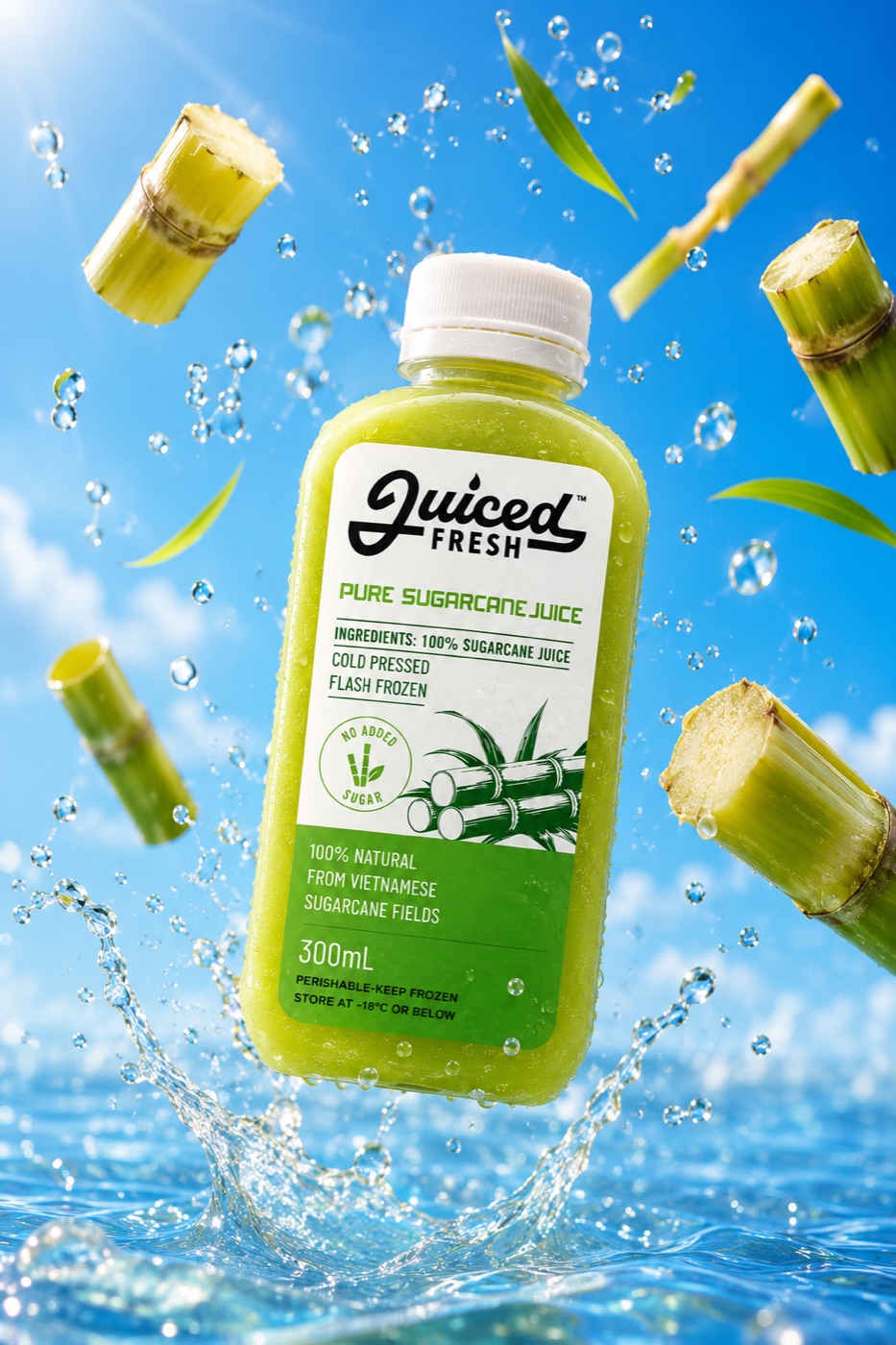
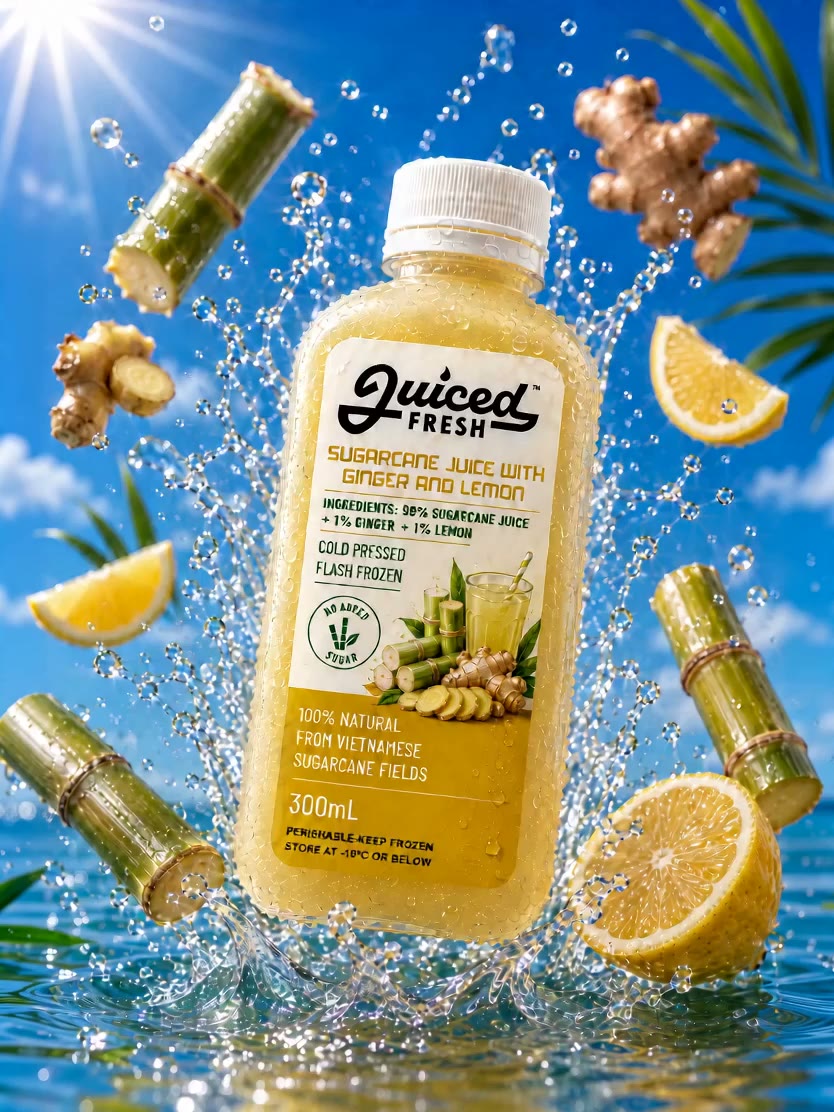
Lead with fresh-pressed cane. It is the visual draw that pulls people across a crowded market. The press is theater, the juice pours bright and pale green, and a cup poured to order signals fresh in a way a pre-bottled drink never will. Serve it straight over ice, or add lime or ginger for a signature version you can price at the top of the range.
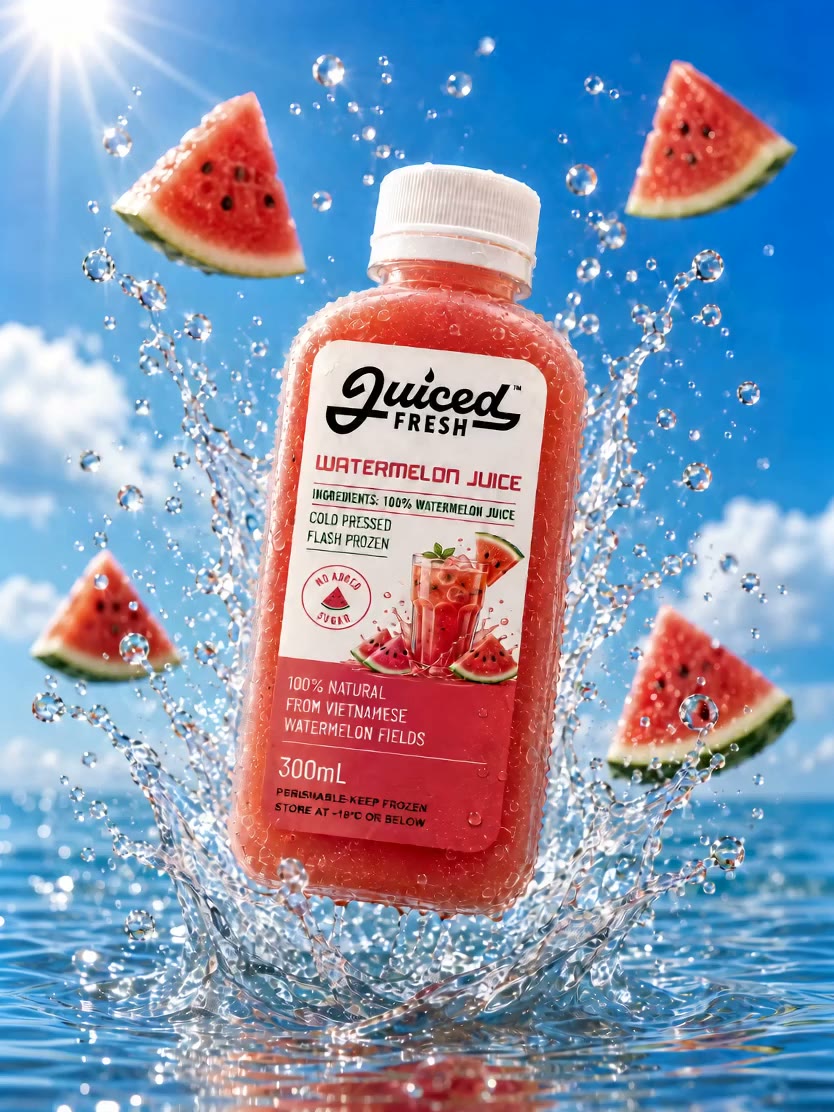
Then build a fruit lineup around color. Red dragon fruit gives you a deep magenta bowl or slushie that photographs well and sells itself on looks. Passion fruit reads as tropical and premium and works in slushies, lemonades, and as a topping. Calamansi makes a sharp citrus ade that cuts through summer heat and pairs naturally with the sweetness of cane.
A practical day-of menu is narrow on purpose: one cane cup, one or two fruit slushies, and a bowl. Fewer items mean faster lines, simpler pricing, and less to carry. Price the whole board in the $7 to $9 range and let the visible freshness justify it. At an event, the draw is what people can see, and fresh-pressed cane next to bright fruit is hard to walk past.
This approach travels across formats. The economics and the draw are the same whether you are working food festivals, selling at farmers markets, or running a stand as one of the event caterers on site. Only your volume and footprint change.
Stocking and the two-year shelf life
For a seasonal vendor, the shelf life is the quiet advantage that changes how you buy.
Frozen at -35C with no additives, the product holds for up to two years. That means you can stock once and pull as needed across an entire season, instead of placing a fragile fresh order before every single date. Buy in volume when it suits your cash flow, fill your freezer, and draw down event by event.
Buying in volume is also where the unit economics improve. Cases are available online through DeliveredCold, which suits a vendor topping up between markets. When you are ready to stock a season, pallets run 120 cases at 17% off before freight, and full containers are available too. Pallet and container orders go through WhatsApp, where the team replies in minutes, so you can lock a price and a ship date in one short exchange. You can review wholesale and pallet pricing before you reach out.
Stock the freezer once, pour against the crowd in front of you, and let the unsold portion become next weekend's inventory.
The combined effect is a calmer operation. You are not racing perishables, not guessing attendance, and not rebuilding your order from scratch every week. You are running a stable freezer of premium stock and converting it to $7-to-$9 cups whenever the line forms.
How many cases should I bring to a single event?
Work backward from expected cups. A 22 lb cane case is about 20 twelve-ounce glasses, so divide your cane estimate by 20 for your case count, and plan one or two 10 kg fruit cases for most single-day markets. Round down rather than up, because anything you do not sell stays frozen and good for your next date. There is no penalty for slightly under-ordering beyond an earlier sellout.
Do I need special equipment to serve frozen cane and fruit?
Less than you might think. Cane needs a standard sugarcane roller press and a cooler or chest freezer on site; the frozen stalks feed through the press just like fresh cane. Fruit drinks need only a commercial blender for slushies and a scoop for bowls. Many vendors run both lines off one freezer to spread their fixed costs.
Will frozen ingredients taste as fresh as same-day produce?
The flavor holds because the produce is single-origin and flash-frozen within about four hours of harvest at -35C, with no concentrate and no additives. Freezing at that speed locks in the fruit at peak, and a cane cup pressed to order on site still pours and tastes fresh. Batch-to-batch consistency is actually better than fresh, since every case was frozen at the same ripeness.
How does ordering and shipping work for a vendor?
Single cases ship through DeliveredCold for topping up between events. For seasonal stocking, pallets are 120 cases at 17% off before freight, and full containers are available, both arranged over WhatsApp where the team replies in minutes. Everything ships frozen from Austin, Texas, and reaches most of the country in 2 to 5 days, so you can plan a delivery comfortably ahead of a date.
Pick your draw and run the numbers before your next event. Start with a case or two of Sugarcane Stalks to dial in your press and your pour, browse products to round out a fruit lineup, and check wholesale and pallet pricing when you are ready to stock a season. For pallets, containers, or a custom mix, message the team on WhatsApp and you will have answers in minutes.
Published by Juiced Fresh.
Notes from the warehouse, the farm, and the bars we supply. See all Field Notes