Behind the Scenes: How Sugarcane is Grown and Harvested in Vietnam
Take a journey to the lush sugarcane fields of Vietnam to discover the traditional farming methods, sustainable practices, and generations of expertise that produce the world's finest sugarcane. Learn what makes Vietnamese sugarcane uniquely sweet and flavorful.
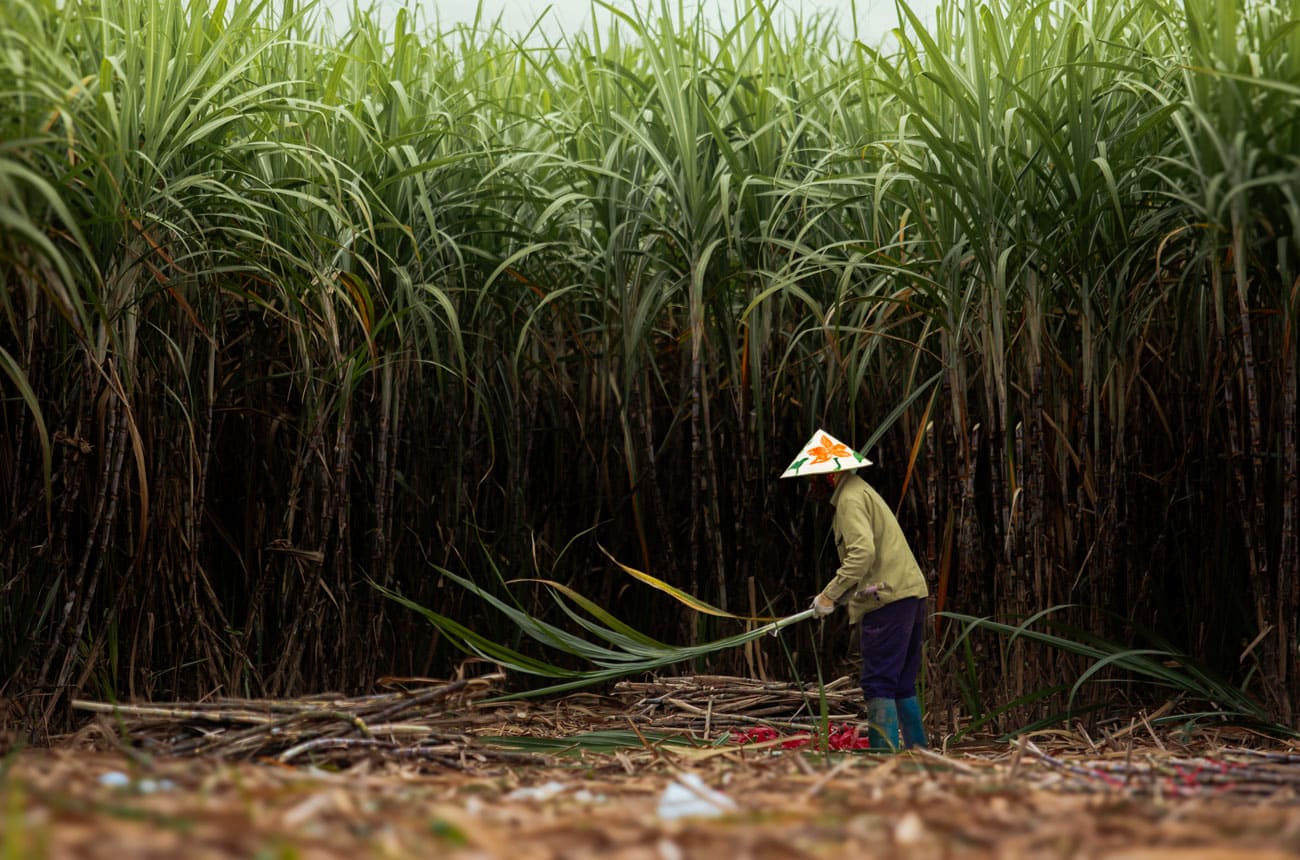
Vietnam produces some of the world's finest sugarcane, prized for exceptional sweetness, clean flavor, and nutritional density. But what makes Vietnamese sugarcane so special? Let's explore the farming traditions, climate advantages, and careful practices that transform simple grass into liquid gold.
Vietnam's Sugarcane Growing Regions
The Mekong Delta:
Vietnam's primary sugarcane region, the Mekong Delta accounts for over 65% of national production. This fertile river delta provides ideal growing conditions:
- Rich alluvial soil replenished annually by river flooding
- Abundant freshwater access
- Warm, humid tropical climate
- Long growing season (12-14 months)
- Traditional farming knowledge passed down generations
Central Highlands:
The second major growing region offers unique advantages:
- Cooler temperatures produce sweeter cane
- Volcanic soil rich in minerals
- Lower pest pressure
- Smaller-scale, family farms
- Focus on quality over quantity
Why Vietnamese Sugarcane is Superior
Climate Advantages:
Optimal Temperature Range:
Vietnamese sugarcane grows in temperatures between 77-86°F (25-30°C), the ideal range for sugar accumulation without stress.
Consistent Humidity:
Year-round humidity of 70-85% prevents water stress and maintains rapid growth rates.
Abundant Rainfall:
1,500-2,000mm annual rainfall, concentrated during growing season, reduces irrigation needs and produces naturally hydrated, juicy stalks.
Soil Quality:
Rich Alluvial Deposits:
Mekong River flooding deposits nutrient-rich sediment annually, naturally fertilizing fields without excessive chemical inputs.
Mineral Content:
Volcanic soil in highland regions contributes trace minerals that enhance flavor complexity and nutritional value.
pH Balance:
Slightly acidic soil (pH 5.5-6.5) optimizes nutrient availability for sugarcane plants.
Growing Season:
Extended Maturation:
12-14 month growing cycle (vs. 8-10 months in some regions) allows fuller sugar development and more complex flavor profiles.
Perfect Timing:
Harvest at peak maturity when sugar content reaches 15-18%, significantly higher than many other origins.
The Planting Process
Seed Preparation:
Sugarcane doesn't grow from seeds-it propagates from cuttings:
Selection:
- Choose healthy, mature stalks from previous harvest
- Select middle sections with 2-3 nodes (buds)
- Avoid diseased or damaged cane
- Prioritize proven high-yield varieties
Cutting:
- 30-40cm sections cut with sharp, clean tools
- Each section must contain at least 2 viable buds
- Cut ends treated with natural fungicide (ash or lime)
- Prepare immediately before planting for best results
Field Preparation:
Traditional Methods Still Work Best:
Land Clearing:
- Remove previous crop residue
- Till soil to 30cm depth
- Break up compacted areas
- Remove rocks and debris
Furrow Creation:
- Rows spaced 1.2-1.5 meters apart
- Furrows 15-20cm deep
- Slight slope for drainage
- Orient based on sun exposure
Soil Amendment:
- Organic compost incorporation
- Natural phosphate sources
- Minimal chemical fertilizer
- Beneficial microorganism inoculation
Planting:
Timing is Everything:
Best Planting Period:
February-May in Vietnam, just before rainy season begins, allowing young plants to establish roots before rapid growth phase.
Planting Process:
Place cuttings horizontally in furrows
Space 20-30cm apart within rows
Cover with 5-8cm of soil
Light irrigation if rainfall insufficient
Monitor for germination (10-21 days)
The Growing Phase
Months 1-3: Establishment
Germination and Early Growth:
- Buds sprout and develop into shoots
- Root system establishes
- Plant vulnerable to pests and weather
- Regular watering critical
- Minimal fertilization
Farmer Activities:
- Weed control (manual or minimal herbicide)
- Pest monitoring
- Gap filling (replace failed cuttings)
- Gentle earthing up (adding soil around base)
Months 4-8: Rapid Growth
The Miraculous Growth Period:
- Can grow 2-3cm per day during peak
- Develops thick, strong stalks
- Deep root system (up to 5 meters!)
- Incredible water and nutrient uptake
- Thick canopy shades out weeds
This is when Vietnamese climate really shines:
- Warm temperatures drive photosynthesis
- Abundant rainfall sustains growth
- High humidity prevents stress
- Long daylight hours maximize energy production
Farmer Activities:
- Apply organic fertilizer (typically 2-3 times)
- Continue pest and disease monitoring
- Earthing up to stabilize tall plants
- Irrigation during dry spells (if needed)
- Remove dead leaves from base
Months 9-14: Maturation and Sugar Accumulation
The Sweetening Phase:
- Growth slows dramatically
- Plant focuses energy on sugar storage
- Stalks develop characteristic sheen
- Nodes become more prominent
- Leaves may show slight yellowing
This extended maturation is key to Vietnamese sugarcane quality. Rather than rushing to harvest at 10-11 months (common elsewhere), Vietnamese farmers allow full 12-14 months for maximum sweetness.
Farmer Activities:
- Reduce or eliminate fertilization (promotes sugar storage)
- Limit watering (mild stress concentrates sugars)
- Monitor for harvest readiness
- Plan harvest logistics
- Prepare equipment and labor
Sustainable Farming Practices
Traditional Vietnamese sugarcane farming incorporates many sustainable practices:
Crop Rotation:
- Alternate with rice, vegetables, or legumes
- Prevents soil exhaustion
- Breaks pest and disease cycles
- Maintains soil fertility naturally
Organic Matter Management:
- Return bagasse (pressed cane fiber) to fields
- Compost animal manure with plant waste
- Minimal chemical fertilizer dependence
- Build long-term soil health
Pest Management:
- Encourage beneficial insects
- Use pest-resistant varieties
- Manual removal when feasible
- Targeted, minimal pesticide use only when necessary
Water Conservation:
- Rely primarily on rainfall
- Efficient irrigation when needed
- Maintain field drainage to prevent waterlogging
- Protect nearby water sources from runoff
The Harvest
Determining Harvest Readiness:
Experienced farmers use multiple indicators:
Visual Cues:
- Slight yellowing of lower leaves
- Shiny, waxy appearance of stalks
- Nodes well-defined and prominent
- No active growth in tip
Physical Testing:
- Stalk hardness (firm when squeezed)
- Sound when struck (hollow, resonant sound)
- Fiber content (moderate, not too dry)
Scientific Measurement:
- Brix reading (sugar content) of 15-18%
- Moisture content appropriate for variety
- Optimal juice color and clarity
Traditional Harvest Methods:
Still the Gold Standard:
Hand Cutting:
- Sharp machetes wielded by experienced harvesters
- Cut close to ground (sweetest part near base)
- Remove leafy tops (less sweet, for animal feed)
- Cut into manageable lengths immediately
- Handle carefully to avoid damage
Why Hand Harvest Remains Superior:
- Selective cutting of only ripe stalks
- Minimal plant damage
- Leaves immature stalks for later harvest
- Preserves quality better than machine harvest
- Provides employment for local communities
Field Processing:
- Remove leaves and tops immediately
- Bundle for transport
- Keep out of direct sun
- Transport quickly to minimize quality loss
Traditional Transport:
- Small trucks or tractors
- Minimize jostling and damage
- Arrive at processing within 24 hours
- Sometimes still use water buffalo carts for nearby fields!
Modern Harvest (Larger Operations):
Mechanical Harvesting:
Some larger operations use specialized equipment:
Benefits:
- Faster harvest of large areas
- Reduced labor costs
- Can harvest in any weather
- Consistent cutting height
Drawbacks:
- More plant damage
- Less selective (takes immature stalks)
- Soil compaction from heavy equipment
- Initial equipment investment substantial
Most premium operations still prefer hand harvest for superior quality.
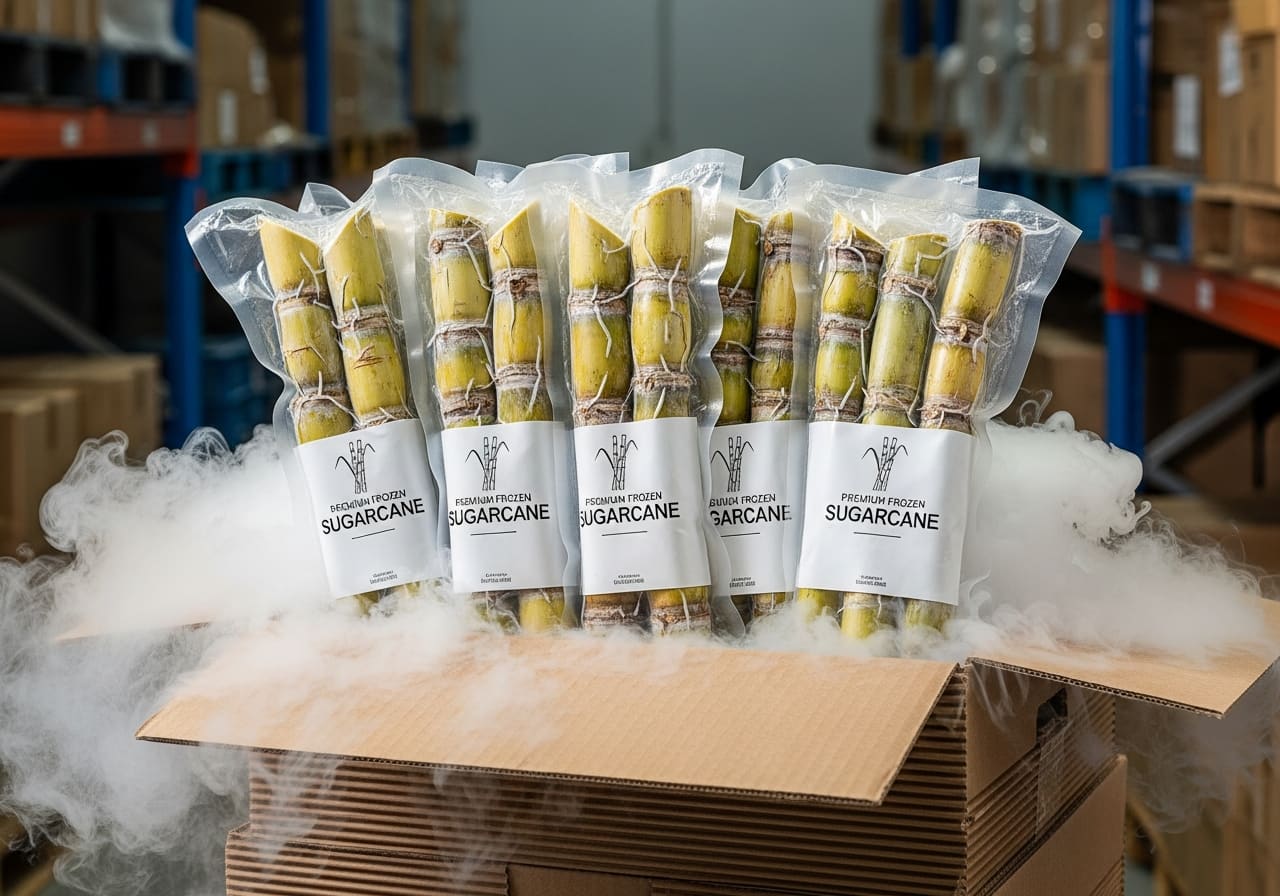
From Field to Flash-Frozen
For Juiced Fresh suppliers, what happens after harvest is crucial:
Immediate Processing:
Within 4-6 hours of harvest:
Transport to processing facility
Quality inspection and sorting
Washing and sanitization
Cutting to uniform sizes
Immediate flash-freezing
Flash-Freezing Technology:
- Rapid freezing at -40°F (-40°C)
- Locks in fresh-harvested quality
- Preserves sweetness and nutrition
- Prevents any degradation
- Creates ice crystals too small to damage cells
Result: Sugarcane that tastes fresh-picked even months later
Quality Control:
- Test every batch for sweetness
- Verify juice yield meets standards
- Check for any defects
- Document harvest date and field
- Track from farm to customer
Challenges Facing Vietnamese Sugarcane Farmers
Climate Change:
- More unpredictable rainfall patterns
- Increased storm intensity
- Temperature fluctuations
- Need for adaptation strategies
Economic Pressures:
- Competition from cheaper sources
- Rising production costs
- Need for modern infrastructure
- Access to markets
Labor Availability:
- Young people migrating to cities
- Aging farmer population
- Mechanization vs. traditional quality
- Training next generation
Despite Challenges: Hope and Innovation
Vietnamese farmers are adapting:
Technology Adoption:
- Drip irrigation systems
- Soil testing and precision fertilization
- Improved varieties (disease-resistant, higher yield)
- Better pest management tools
Market Development:
- Direct relationships with premium buyers (like Juiced Fresh)
- Fair pricing for quality
- Long-term contracts provide stability
- Value-added processing (flash-freezing)
Knowledge Sharing:
- Agricultural extension programs
- Farmer cooperatives
- Sharing best practices
- Training in sustainable methods
The Human Element
What Statistics Don't Capture:
Family Tradition:
Many Vietnamese sugarcane farmers are 3rd, 4th, even 5th generation. They possess intimate knowledge of their land, weather patterns, and optimal practices passed down through families.
Pride in Craft:
These aren't just farmers-they're craftspeople producing a premium product. They take genuine pride in growing the sweetest, highest-quality cane possible.
Community Culture:
Sugarcane farming communities are tight-knit, helping each other during planting and harvest, sharing knowledge, and celebrating successful seasons together.
Connection to Land:
Vietnamese farmers often have deep spiritual connections to their land, viewing themselves as stewards rather than merely users.
Why This Matters to You
When you order Vietnamese sugarcane from Juiced Fresh, you're not just buying a product. You're:
Supporting Traditional Agriculture:
- Preserving generations of farming knowledge
- Encouraging sustainable practices
- Providing fair income to farming families
Choosing Superior Quality:
- Climate and soil advantages
- Extended maturation period
- Careful harvest and handling
- Flash-frozen at peak freshness
Ensuring Sustainability:
- Lower environmental impact than many alternatives
- Supporting crop diversity
- Encouraging organic and traditional methods
Experience Vietnamese Sugarcane
The journey from a small cutting in rich Vietnamese soil to sweet, refreshing juice in your glass involves skill, tradition, patience, and care at every step. That's what makes Vietnamese sugarcane special-and why Juiced Fresh exclusively sources from these exceptional farms.
Ready to taste the difference? Contact us at +1 (201) 920-9678 to learn more about our premium Vietnamese flash-frozen sugarcane. We connect you directly to generations of farming expertise and the perfect climate for sugarcane cultivation.
Published by Juiced Fresh.
Notes from the warehouse, the farm, and the bars we supply. See all Field Notes