Frozen Pulp vs Fresh vs Concentrate: What Foodservice Buyers Should Know
A buyer's guide to the three formats of tropical fruit and juice for commercial kitchens, comparing flavor, consistency, waste, labor, and the true cost per usable serving so you can choose the right format for each application.

Every kitchen that builds drinks, desserts, or sauces around tropical fruit eventually faces the same sourcing decision. You can buy the fruit fresh, you can buy it as flash-frozen pulp, or you can buy it as concentrate. The marketing for each one sounds appealing, the sticker prices look very different, and the trade-offs are rarely spelled out in a way that helps you actually choose. This guide compares the three formats across the dimensions buyers weigh in real life, so you can match the right format to each application instead of defaulting to whatever a distributor pushed last quarter.
The short version is that for most tropical ingredients in US foodservice, flash-frozen single-origin pulp wins on consistency and true cost. Fresh still wins for very local, in-season hero moments. Concentrate still wins on price where flavor fidelity genuinely does not matter. The rest of this article explains why, and where the exceptions sit.
Defining the three formats honestly
Fresh tropical fruit is the whole fruit, harvested and shipped to you without further processing. For fruits grown in the continental US, fresh can be excellent when it is in season and local. For most tropical fruit consumed in the US, though, fresh means an import that traveled days or weeks, was picked before peak ripeness so it would survive transit, and arrives somewhere on a ripeness curve you did not control.
Flash-frozen pulp is fruit that was harvested ripe, processed into pulp or juice, and frozen very fast at very low temperature, often within a few hours of harvest. The speed matters. When fruit freezes quickly at a temperature like -35C, the water inside forms small ice crystals that do little damage to cell walls. Sugars and aromatic compounds are locked close to their peak, and oxidation, the browning and flavor loss you see in cut fruit, is effectively stopped. Single-origin frozen pulp adds traceability, since everything in the case came from one growing region rather than a blend of unknown lots.
Slow freezing, by contrast, is what happens in an ordinary walk-in or an underpowered blast cell. Large ice crystals form, rupture cell walls, and on thaw you get more drip loss, a softer texture, and duller flavor. Not all frozen is equal, and the freezing method is the variable that separates good frozen pulp from mediocre frozen pulp.
Concentrate is fruit juice with most of the water removed, usually by heating under vacuum, then shipped in a compact form that you reconstitute with water at the kitchen. Removing water cuts shipping weight and cost dramatically, which is concentrate's whole reason for existing. The heating step, however, drives off delicate aromatics and can introduce cooked or caramelized notes. Many concentrates also carry added acids, sugars, preservatives, or color to standardize the product after processing.
The comparison buyers actually care about
Sticker price gets the attention, but it is only one of nine or ten dimensions that decide whether a format works in your operation. The graphic below lays the three side by side across what a kitchen actually measures.
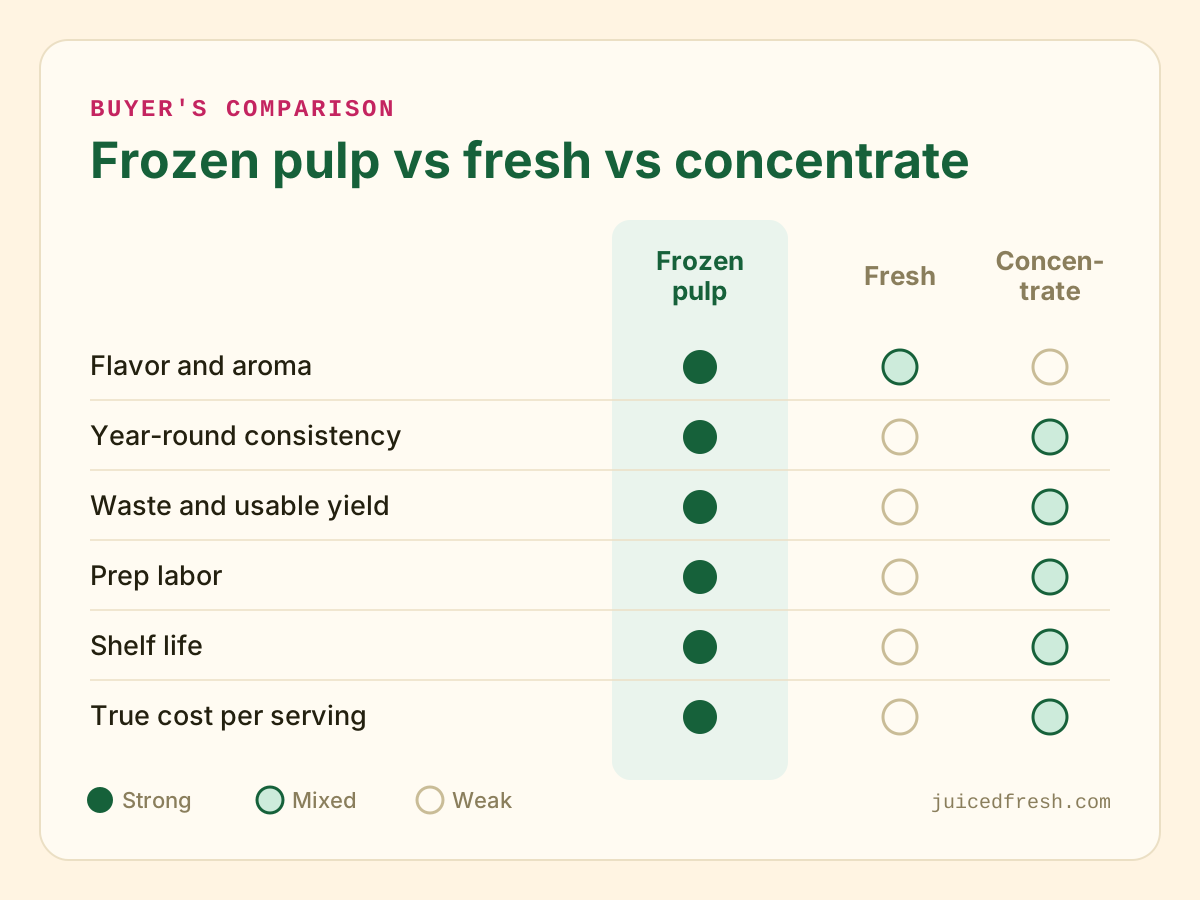
On flavor and aroma fidelity, flash-frozen pulp sits closest to ripe fresh fruit because it was ripe fresh fruit until the moment it was frozen, and nothing was cooked off. Peak-season local fresh can edge it out at its very best. Concentrate trails, because the heat used to remove water also removes the volatile aromatics that make tropical fruit taste alive.
On nutrient retention, fast freezing locks vitamins and antioxidants in place soon after harvest, while fresh produce loses nutrients steadily during long transit and storage. Concentrate's heat processing degrades heat-sensitive nutrients further.
On year-round consistency, frozen pulp is the clear winner. A case in January tastes like a case in July because the fruit was frozen at one ripeness and held stable. Fresh swings with season, origin, and the luck of the shipment. Concentrate is consistent in the sense of standardized, but it is standardized to a processed baseline rather than to peak fruit.
On waste and yield, fresh carries peel, pit, fiber, and the fruit that spoils before you can use it, so a meaningful share of what you pay for never reaches a guest. Frozen pulp is almost entirely usable. Concentrate is usable too, once reconstituted, though you are buying flavor that was partly lost in processing.
On labor, fresh demands receiving, inspecting, ripening, peeling, seeding, and quick use before it turns. Frozen pulp needs thawing and portioning, and little else. See our thawing and handling guide for the simple routine. Concentrate needs accurate dilution, which is fast but easy to get wrong across shifts.
On shelf life, frozen pulp is measured in many months to a couple of years held frozen, concentrate in months, and fresh tropical fruit in days. On food safety, sealed frozen pulp held at temperature is a low-risk, traceable input, while fresh imports introduce more handling and spoilage exposure along the way.
On supply reliability, frozen pulp decouples your menu from harvest calendars and customs delays, since stock sits in a US warehouse ready to ship. Fresh ties you to seasonality and import logistics. Concentrate is generally reliable to source, which is part of its appeal for high-volume commodity use.
Cost per usable serving, not sticker price
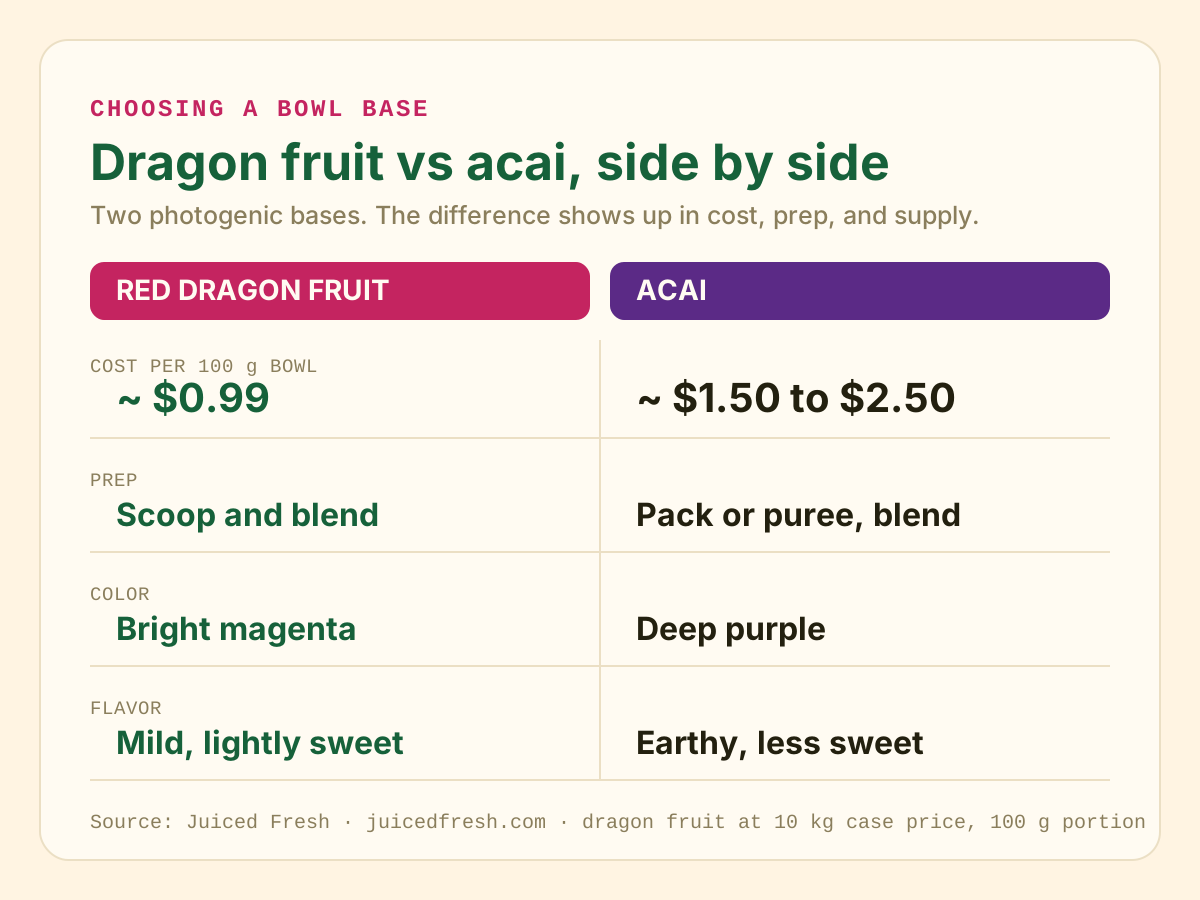
The single most common sourcing mistake is comparing the price per case or per gallon and stopping there. The number that actually governs your food cost is the price per usable serving, and that number folds in waste, yield, and labor.
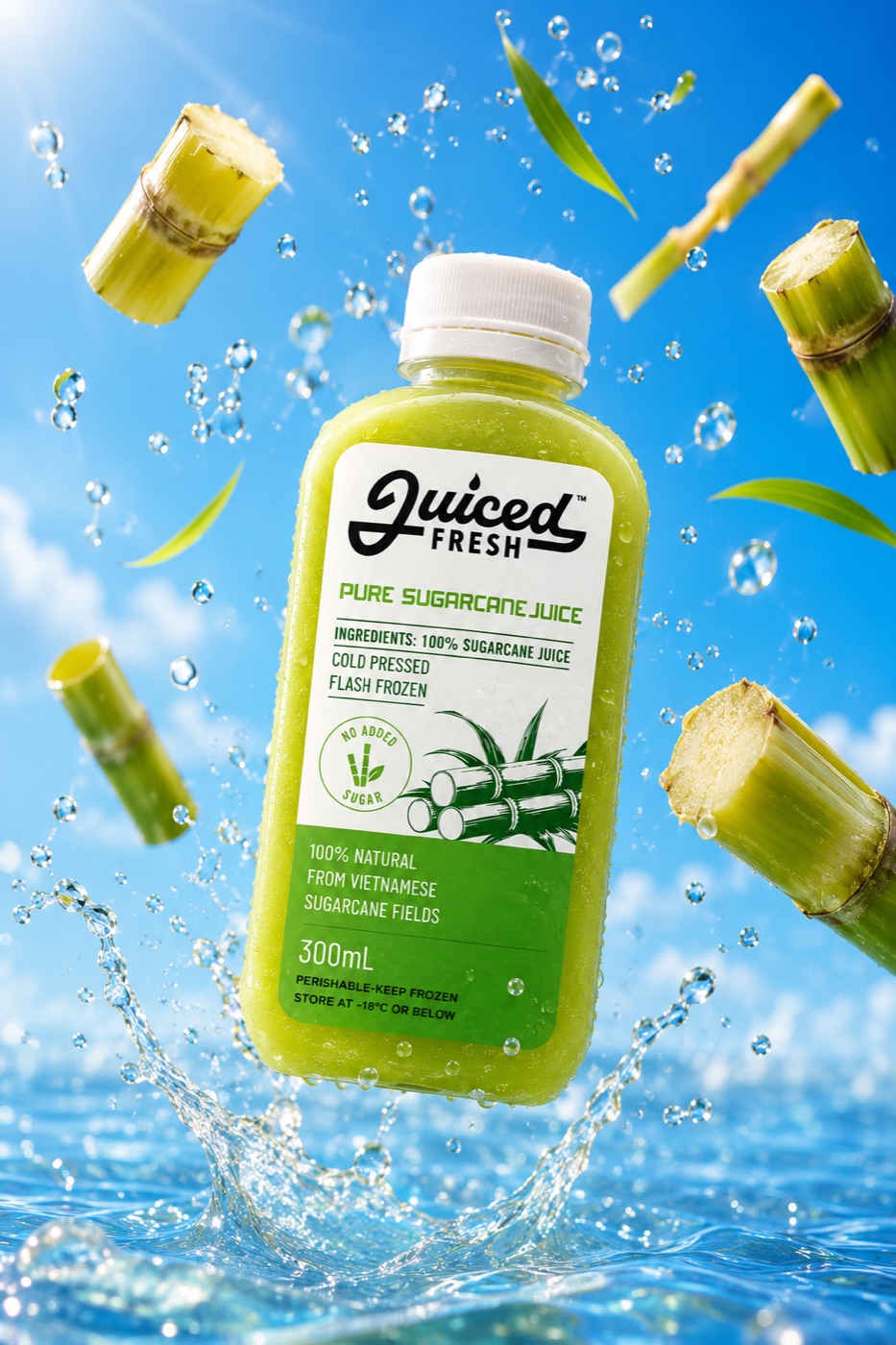
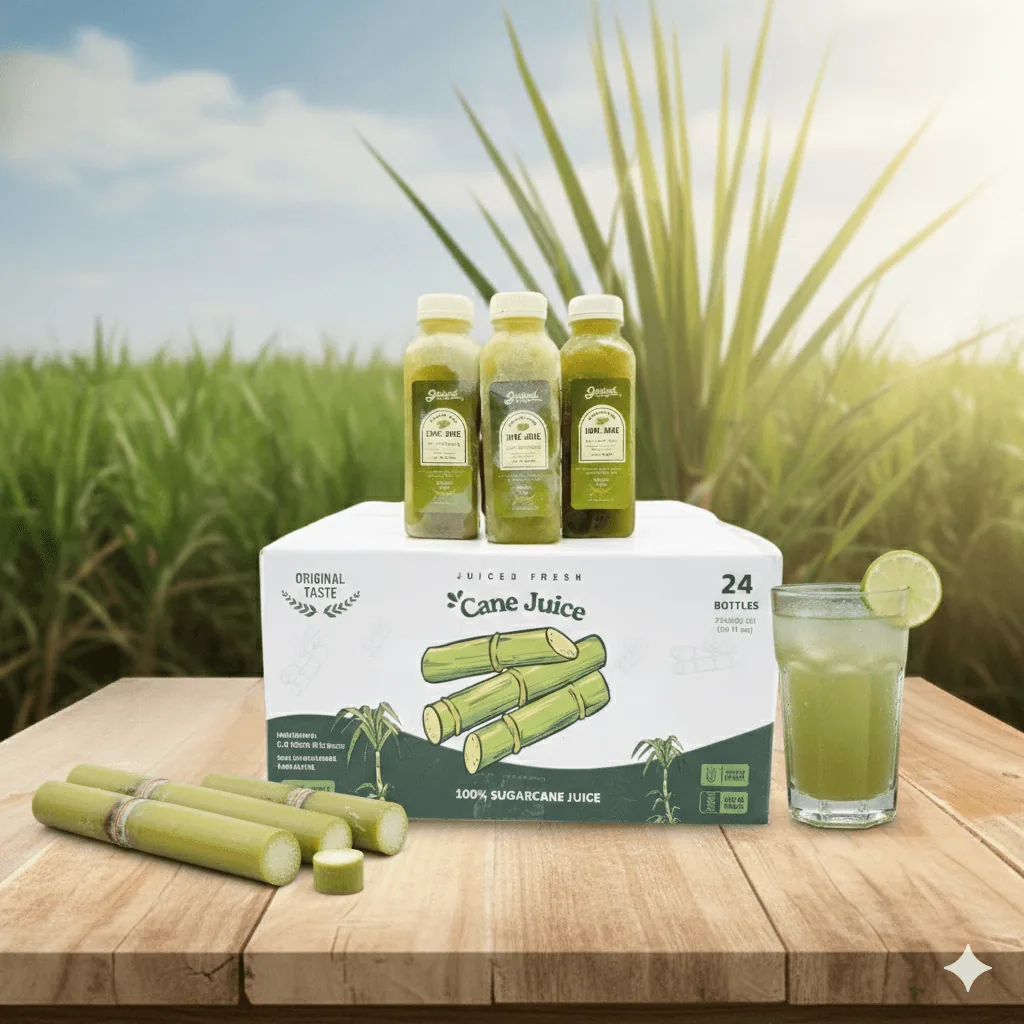
Start with fresh. Suppose a case looks cheap on paper. Now subtract the peel, pit, and fiber you discard, subtract the units that overripen or spoil before service, and add the paid minutes your staff spend receiving, inspecting, peeling, and seeding. A case that looked like the bargain can quietly become the most expensive option per drink once trim loss and labor are counted. For a worked example with one ingredient, see fresh vs frozen sugarcane.
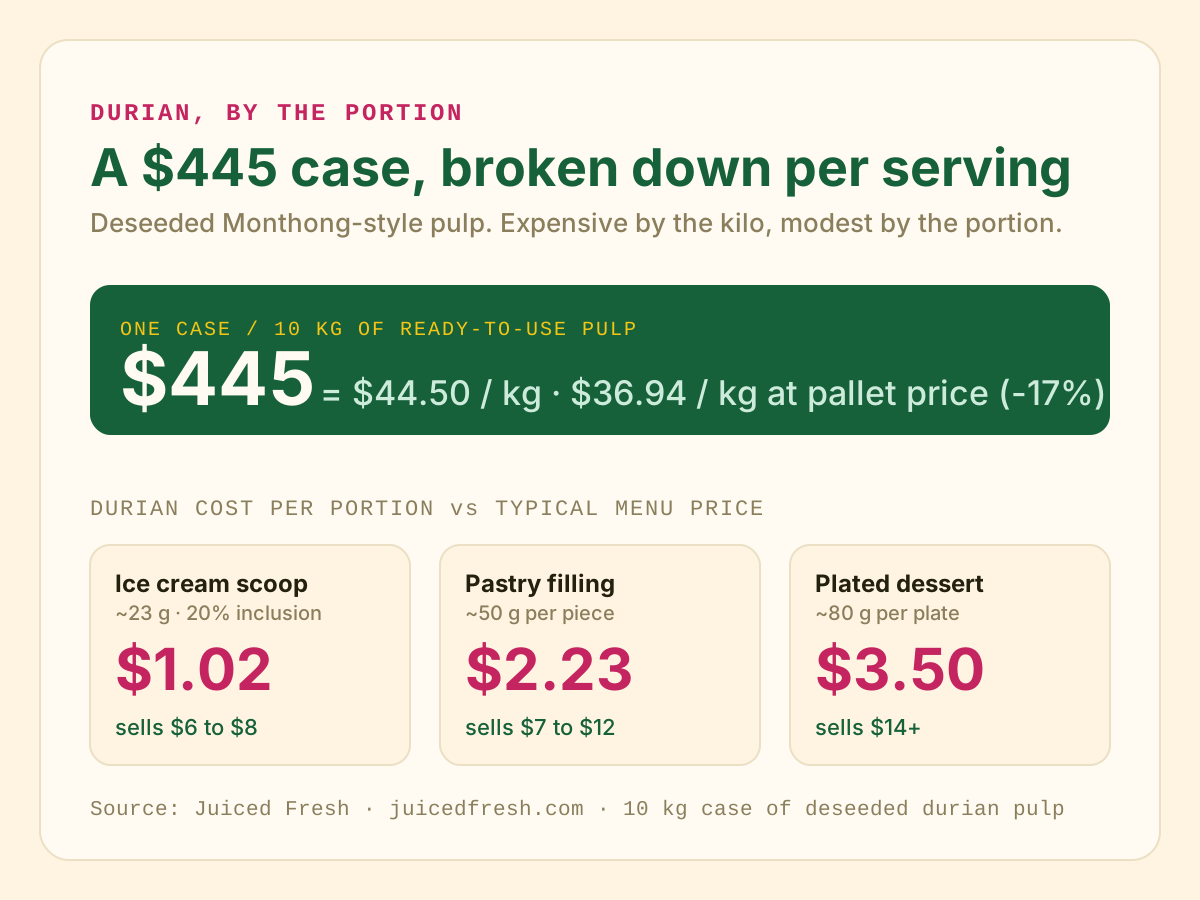
Frozen pulp inverts that math. The sticker price per case is often higher than raw fresh, but nearly every ounce is usable, there is no trim, spoilage before use is minimal, and labor is close to thaw-and-pour. When you divide total cost by servings that actually reach a guest, flash-frozen pulp is frequently the lowest true cost for tropical ingredients, and it is far more predictable month to month.
Concentrate usually does win on pure cost per serving, because you are not paying to ship water and the product stores compactly. That saving is real. The question is whether the application can absorb the flavor and aroma you give up to get it. In a high-fidelity signature drink, the gap is obvious to guests. In a heavily sweetened, heavily blended, or cooked application, it may not be.
The cheapest case is rarely the cheapest serving. Trim, spoilage, and labor decide your real food cost, not the number on the invoice.
When each format actually wins
No single format is right for every line on a menu. Here is the honest breakdown.
Flash-frozen single-origin pulp wins for most tropical ingredients in most US kitchens. Choose it when you need the same flavor every day, when the fruit is not grown locally, when you want minimal waste and labor, and when supply reliability matters more than chasing a seasonal peak. This covers the majority of bar programs, cafes, dessert menus, and multi-location operations that need consistency across sites. It is why operators standardize on frozen for ingredients like Calamansi Juice and Passion Fruit Juice, which are almost impossible to source fresh and consistent in the US.
Fresh wins for local, in-season hero moments. If you run a tight seasonal menu, have a reliable nearby grower, and can build a dish around fruit at its absolute peak for a few weeks, fresh at its best is hard to beat and worth the labor. The key qualifier is local and in season. Fresh tropical imports rarely deliver that promise by the time they reach your kitchen.
Concentrate wins on price for applications where fidelity does not matter. High-volume, deeply sweetened, or cooked products where the fruit is a background note rather than the star can use concentrate sensibly and save real money. Just go in clear-eyed that you are trading aroma and freshness for cost, and do not use it where guests are paying for the fruit itself.
For a fuller breakdown of one category, frozen sugarcane wholesale walks through the same logic applied end to end, and you can browse products to see which tropical ingredients are available frozen.
Does flash-frozen pulp really taste as good as fresh?
For most tropical fruit reaching the US, flash-frozen pulp tastes closer to peak fruit than the fresh import sitting next to it, because the fresh import was picked underripe and lost flavor in transit. The pulp was frozen ripe within hours of harvest, so its sugars and aromatics were locked at peak. Only genuinely local, in-season fresh fruit reliably beats good flash-frozen pulp on flavor.
Why is concentrate so much cheaper, and is it ever the right call?
Concentrate is cheaper mainly because removing the water cuts shipping weight and cost, and it stores compactly. It is the right call for high-volume applications where the fruit is a minor or heavily processed component and guests are not paying for fruit fidelity. It is the wrong call for signature drinks or any dish where the tropical flavor is the point, since the heat used to concentrate it strips delicate aromatics and can add cooked notes.
How long does frozen pulp last, and does it lose quality over time?
Held continuously frozen, single-origin flash-frozen pulp can keep well for up to about two years because the cold halts the chemistry that degrades flavor and nutrients. The main risk is temperature swings, so keep it frozen until you thaw what you need and avoid refreezing thawed product. Our thawing and handling guide covers the simple routine that protects quality.
What is the real difference between flash-frozen and ordinary frozen?
The difference is the speed and temperature of freezing. Flash-freezing at around -35C very soon after harvest forms tiny ice crystals that barely disturb the fruit's cells, so texture and flavor survive. Ordinary slow freezing forms large crystals that rupture cells, causing more drip loss, softer texture, and duller flavor on thaw. This is why two products both labeled frozen can taste noticeably different.
If consistency, low waste, and predictable food cost matter to your operation, flash-frozen single-origin pulp is the format that earns its place on the line for most tropical ingredients. Juiced Fresh ships frozen tropical produce and juice from an Austin, Texas warehouse, reaching kitchens nationwide in 2 to 5 days, with no concentrate and no additives. You can order cases online, and for larger needs a pallet is 120 cases at 17 percent off before freight. See wholesale and pallet pricing for the full breakdown, or message us on WhatsApp for pallets and container quotes, where we reply in minutes.
Published by Juiced Fresh.
Notes from the warehouse, the farm, and the bars we supply. See all Field Notes