Tropical Fruit Drink Trends to Stock for 2026
The tropical drink trends shaping 2026 menus, and exactly what to stock to ride each one. Provenance, frozen over concentrate, Asian citrus, dragon fruit color, passion fruit everywhere, durian, and lower-sugar builds.
Menu planning runs ahead of the calendar. The drinks you will pour next spring are the ingredients you commit to this winter, and the operators who win a trend are the ones who stocked for it before it was obvious on every block. By the time a flavor is everywhere, the early movers have already locked in their supply, dialed in their specs, and trained their staff. Everyone else is paying peak prices for fruit they cannot get consistently.
This is a working guide to the tropical drink trends worth building around for 2026, written for cafe, juice bar, boba, and bar operators and the buyers who stock them. For each trend, the point is not just to name it. The point is to tell you what to actually put in your freezer to ride it, because a trend you cannot source reliably is not a trend you can menu.
A theme runs underneath all of them. Guests increasingly want to know what is in the glass and where it came from, and they want real fruit flavor without a wall of added sugar. The formats that answer both, single-origin and frozen rather than concentrate, are the same formats that make your costs predictable. The trend and the operations line up, which is what makes 2026 a good year to get specific.
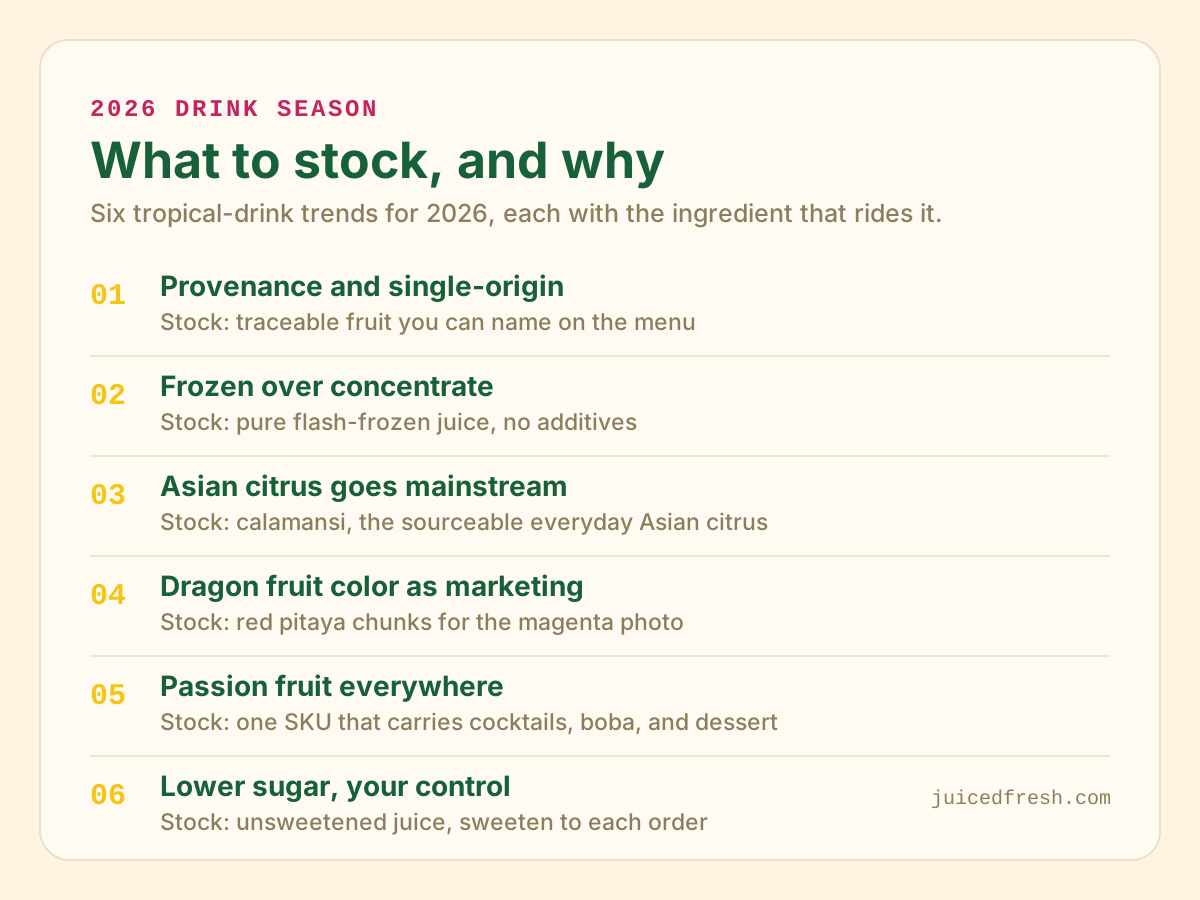
Provenance and single-origin sourcing
The clearest shift in beverage is that guests now ask where the fruit comes from. A decade ago, origin was a fine-dining concern. Now it shows up at the boba counter and the juice bar, on menus that name the country a fruit was grown in the way coffee menus name a region. Single-origin reads as a quality signal, and it gives your staff a real story to tell instead of a generic tropical claim.
The operators who lean into this are not inventing it. They are answering a question customers are already asking. A drink that can say its passion fruit is from one growing region, picked ripe, carries more weight than one built on an anonymous blend of unknown lots, even when the liquid in the glass is similar.
What to stock: choose ingredients that are genuinely single-origin and traceable, not a commodity blend. Juiced Fresh fruit is single-origin from Vietnam and the Philippines, so you can name the source on your menu and mean it. Start by reviewing the range you can browse products and pick the two or three fruits where a provenance story will land hardest with your guests.
Frozen over concentrate
The clean-label expectation has reached drinks. Guests reading a menu, and buyers reading a spec sheet, increasingly treat concentrate and added sugar as a downgrade. The momentum in 2026 is toward real fruit, and frozen is what delivers real fruit at foodservice scale without the compromises concentrate forces on you.
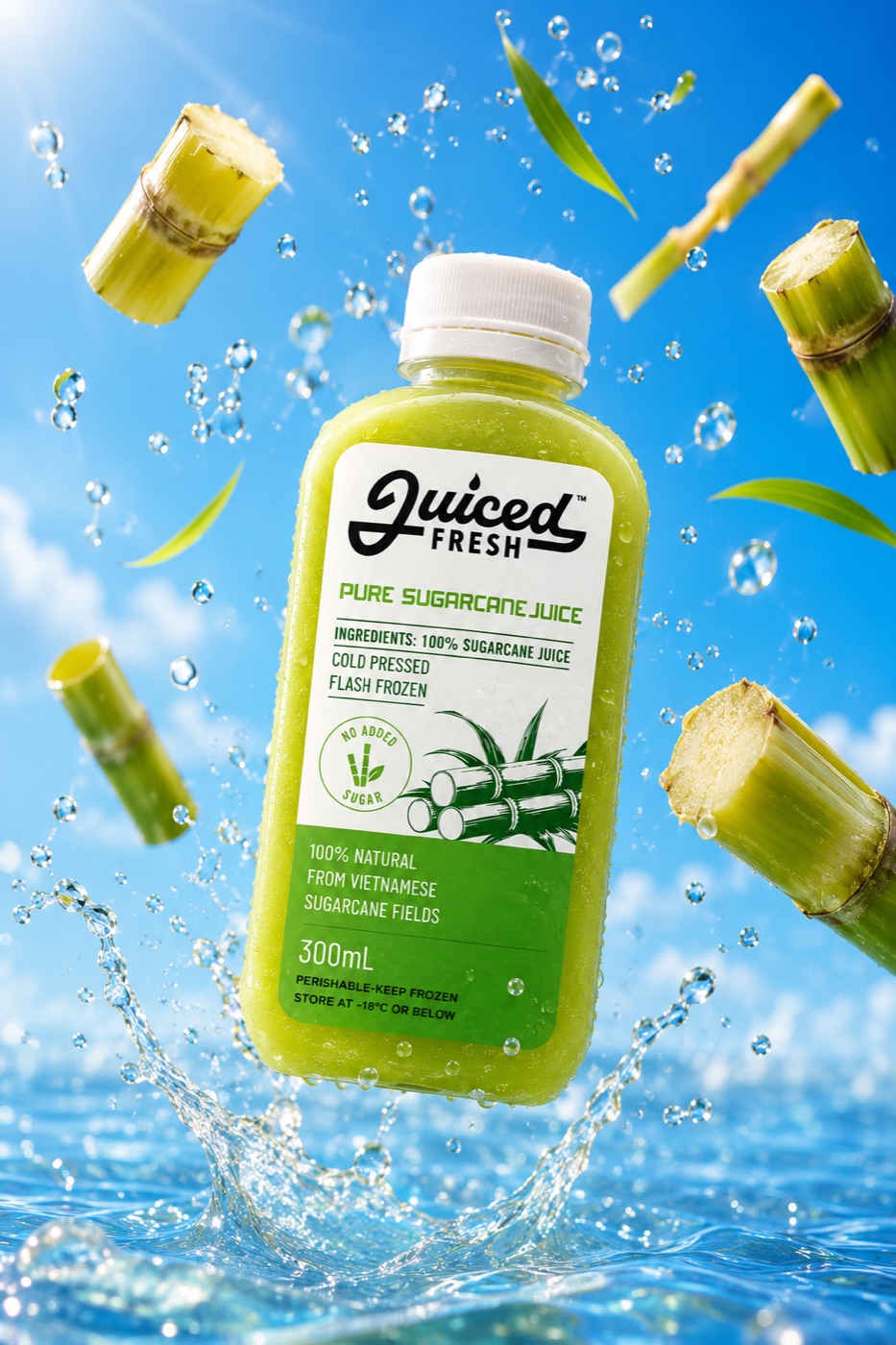
The reason is in the processing. Concentrate is made by heating juice to drive off water, and that heat strips the delicate aromatics that make tropical fruit taste alive, often leaving a cooked, flat note. Many concentrates also carry added sugar, acid, or color to standardize the batch. Flash-frozen fruit skips all of that. Frozen ripe within about four hours of harvest at -35C, with no concentrate and no additives, it holds sugars and aroma close to their peak, so the glass tastes like the fruit rather than a reconstituted version of it.
What to stock: move your hero fruits from concentrate to frozen pure juice and pulp. You keep the flavor fidelity guests are paying for, you control your own sweetness because nothing is added back, and you get a frozen shelf life that makes buying ahead easy. For the full comparison across flavor, waste, and true cost per serving, see frozen vs concentrate.
The rise of Asian citrus
Lime and lemon are no longer the only sour notes worth menuing. Asian citrus is having a genuine moment, led by calamansi and yuzu, and 2026 is the year it moves from specialty menus into the mainstream of bars, cafes, and boba shops. These fruits give you an acid that guests cannot place, which is exactly what makes a drink memorable.
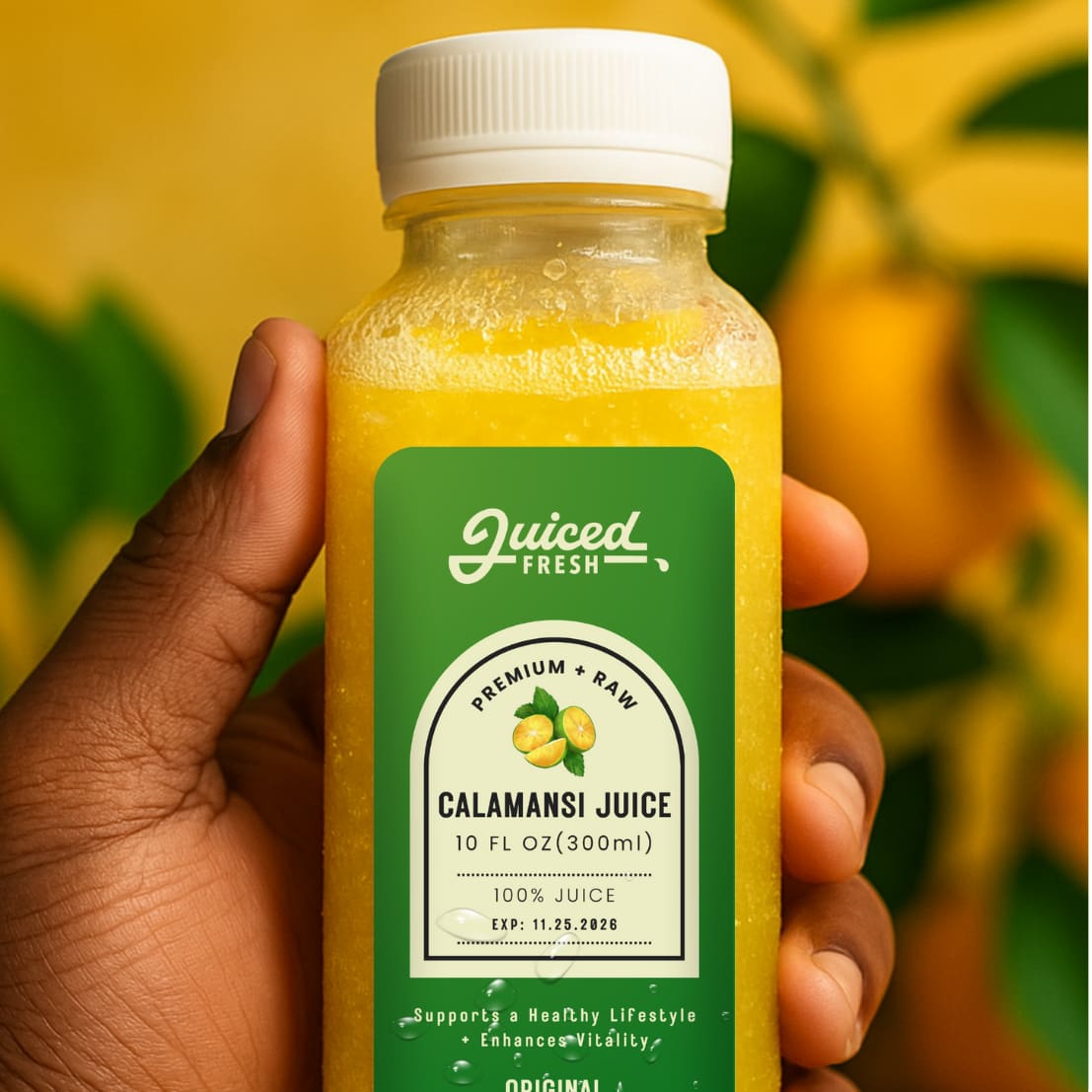
Calamansi is the standout for US operators. It is a small Philippine citrus with the sourness of lime, a whisper of mandarin, and a perfume no other fruit has. One squeeze tells a Filipino guest they are home and tells everyone else they are tasting something new. The catch is supply: fresh calamansi is almost impossible to buy reliably in the US, which is precisely why it has stayed off menus that would otherwise love to carry it. Frozen pure juice removes that obstacle and lets you menu it year-round.
What to stock: put Calamansi Juice on as a calamansade, a signature sour, a green-tea boba, or the acid in a marinade. It is 100% juice, single-origin from the Philippines, so the flavor is the same in January as in July. Because it is undiluted, a little carries a drink, and the cost per serving rounds to almost nothing against a cocktail or boba price. It slots in anywhere you currently reach for lime when you want more fragrance.
Dragon fruit color as a marketing tool
Some ingredients sell on flavor. Dragon fruit sells on sight. The deep magenta of red pitaya photographs better than almost anything else behind the counter, and in a market where the menu photo and the social post do real marketing work, that color is an asset you can put a price on. Guests order the pink drink because of how it looks, and they post it, which brings the next guest in.
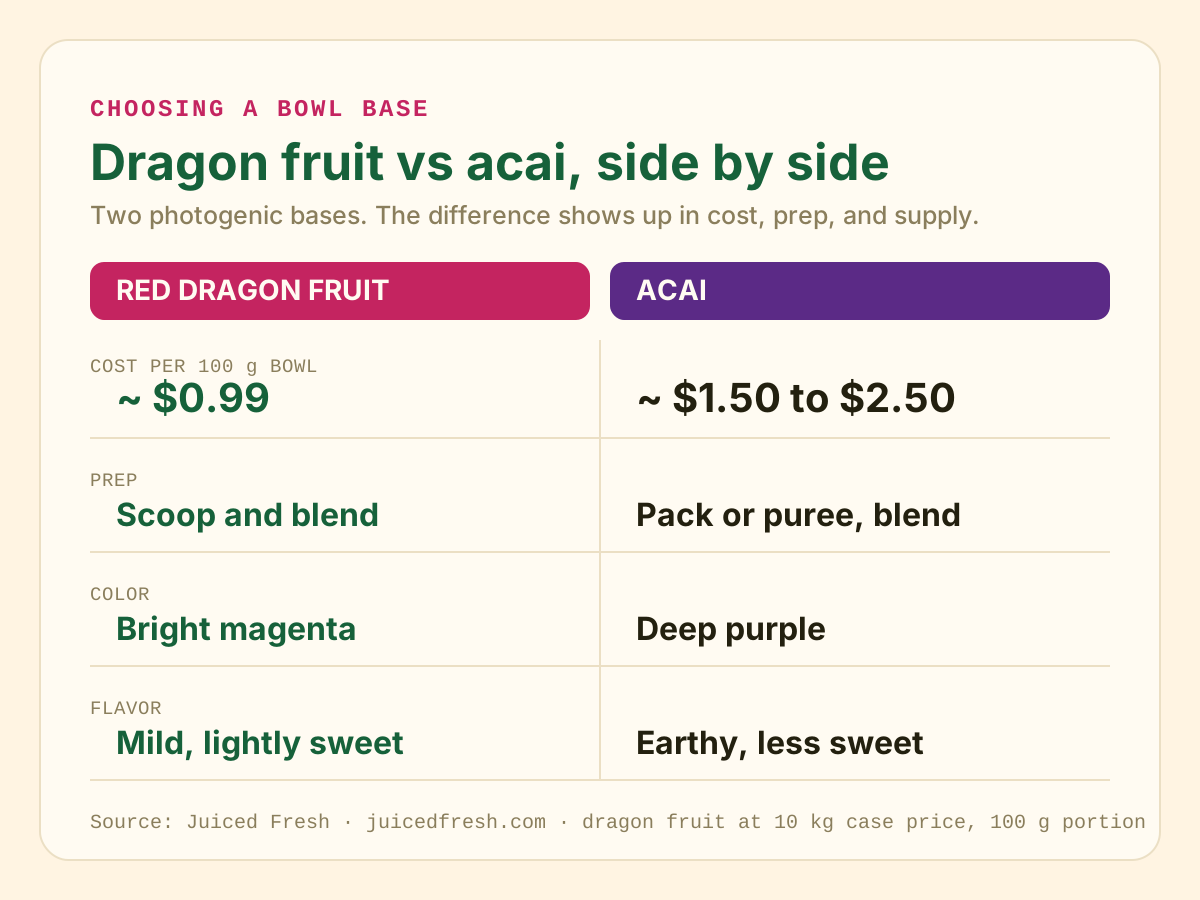
The trend for 2026 is using color deliberately, as a lever rather than an accident. A dragon fruit base turns an ordinary bowl or smoothie into the item people photograph, and even a small amount blended into an existing recipe tints the whole cup that saturated pink. The flavor is mild and lightly sweet, so it adds color and body without overpowering banana, berry, or citrus.
What to stock: Red Dragon Fruit Chunks in the 10 kg case. Frozen flash within hours of harvest, the chunks hold that saturated magenta, where fruit that ripened in transit fades toward a dull pink that does not get photographed. Blend from frozen for a thick, scoopable bowl base, or drop 50 to 60 grams into a blended drink purely to drive the color. One case stretches a long way when you are using it as a color layer, which makes it one of the cheapest ways to upgrade a tired menu photo.
Passion fruit goes mainstream
Passion fruit has crossed over. It is no longer a tropical specialty confined to one corner of the menu. In 2026 it shows up on the back bar and the boba board at the same time, and that dual life is the whole reason to stock it. It is loud, with high acidity and an aroma that reads tropical and floral at once, and it saturates a drink at doses most fruit cannot touch.
That intensity is what makes it a margin driver rather than a splurge. You are not pouring two ounces into a glass. You are using 15 to 30 grams, and the drink still tastes unmistakably of passion fruit. The same ingredient carries a margarita, a spritz, a milk tea, a fruit tea, and a dessert curd, which means one SKU earns its place across your entire menu instead of just one line.
What to stock: Passion Fruit Juice, 100% fruit with no added sugar, so you set the sweetness yourself. Build a one-to-one syrup as your high-volume workhorse for sodas and teas, dose 25 to 30 grams into cocktails, and fold the unsweetened juice into curds and glazes for pastry. Because the juice is concentrated flavor on its own terms, a single case covers hundreds of drinks across formats, and the per-drink fruit cost stays a small fraction of the sell price.
Durian as a premium dessert flavor
Durian is the rare ingredient that sells itself before the customer tastes it. The people who love it will travel for it, and the curious will order it to find out what the fuss is about. Both reactions are worth money, and in 2026 durian is moving from a niche import into a deliberate premium dessert flavor, especially in ice cream, gelato, pastry, and dessert drinks. It is polarizing on purpose, and that is what makes it a draw.
What has kept most operators away is the format, not the demand. Whole durian is seasonal, mostly husk and seed by weight, wildly inconsistent, and a labor nightmare to break down. Deseeded frozen pulp removes every one of those problems and turns durian into a stable pantry item you portion on demand.
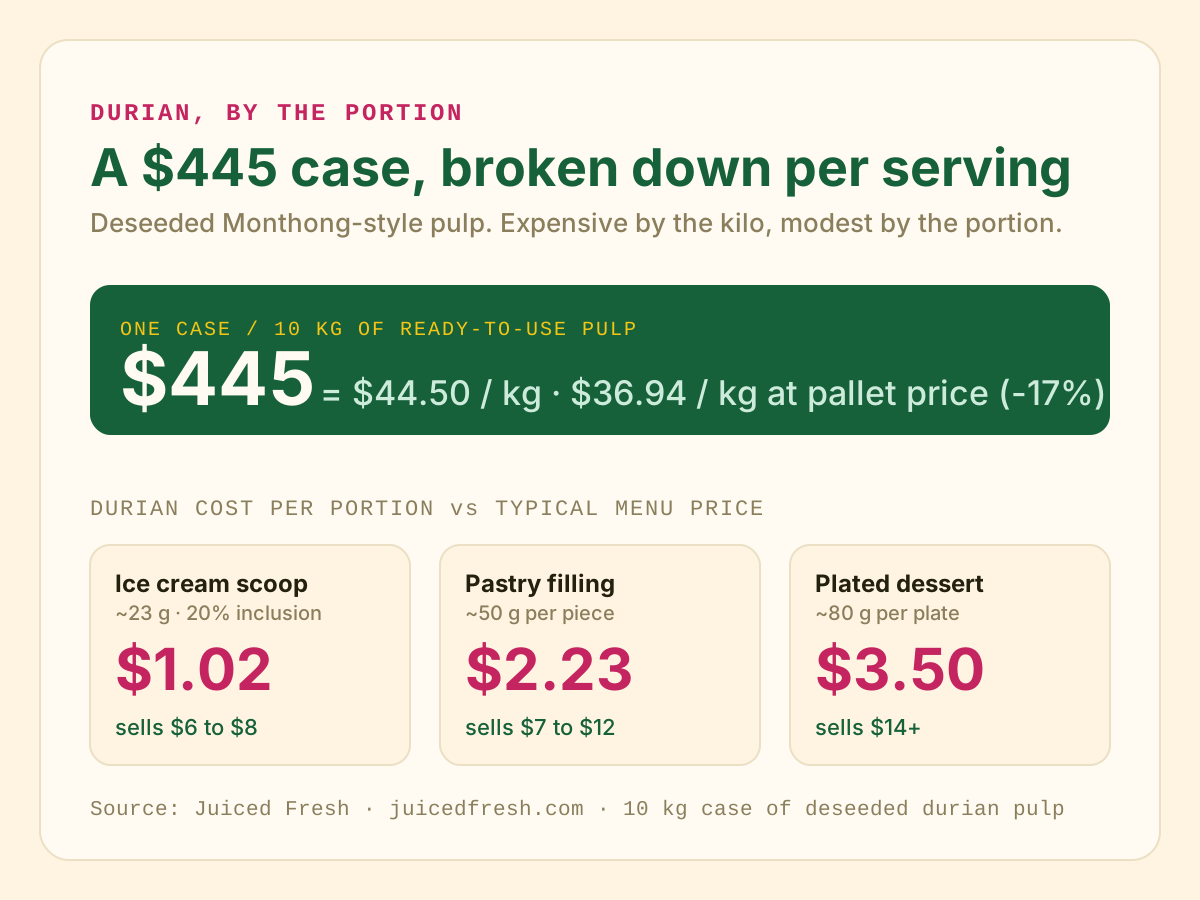
What to stock: deseeded durian pulp, frozen within about four hours of harvest at -35C, in the Monthong-style custardy profile most people picture when they imagine good durian. It thaws to a soft, spoonable texture that folds straight into an ice cream base or a pastry filling with no extra work. Run it at 15 to 25 percent of an ice cream mix, or as a filling for buns and tarts, and let the premium price your menu can charge do the rest. Because it is expensive by the kilogram but cheap by the portion, the margin works as long as you buy it in a format that wastes nothing. Pull it from the wholesale and pallet pricing tier once it earns its freezer space.
Lower-sugar drinks where you control the sweetness
The strongest cross-category trend heading into 2026 is lower sugar. Guests are reading labels, asking for less sweet, and rewarding operators who let them dial it down. The problem with most fruit formats is that they make this hard. Sweetened concentrates and ready-to-drink bases bake the sugar in before the liquid reaches your blender, so your only lever is to add more, never less.
Pure unsweetened juice flips that. When the fruit you stock has no added sugar, you control the entire sweetness curve of the drink. You can offer a genuinely lower-sugar version, sweeten to a guest's request, and keep a tart, bright drink from sliding into cloying. That control is becoming a competitive advantage, because the operators who can credibly say less sweet are the ones capturing a growing slice of guests who want exactly that.
What to stock: build your menu on pure, unsweetened juice rather than pre-sweetened bases. Every Juiced Fresh juice is 100% fruit with nothing added, which means sweetness is a dial you set per drink, not a fixed number you inherit. Pair an unsweetened calamansi or passion fruit base with a simple syrup you meter yourself, and you can serve the same drink at full sweetness, half sweetness, or none, from one ingredient.
How to stock without waste
The fear that keeps operators on concentrate and small fresh orders is waste. A premium fruit you over-buy and cannot use is money in the trash, and that fear is rational with fresh produce that turns in days. Frozen removes it.
Every Juiced Fresh ingredient is flash-frozen within about four hours of harvest at -35C and holds a frozen shelf life of up to two years. That long shelf life is what makes stocking for a trend low-risk. You portion only what a service needs, straight from frozen, and the rest waits in the freezer with no spoilage clock running. A slow Tuesday costs you nothing. You buy to price rather than to a deadline, which means you can commit to a flavor for the season without gambling on whether you will use it in time. The only rules are to keep cases sealed and frozen until service and to not refreeze thawed product.
That is the quiet reason all of these trends are stockable at once. With frozen single-origin fruit, you can put four or five of them on your 2026 menu, hold the depth to run them properly, and never carry the waste risk that would make that reckless with fresh.
When should I plan and order my 2026 drink menu?
Now, ahead of the season you are planning for. Menu development, staff training, and supply all take lead time, and the operators who stock early lock in consistent supply before demand peaks. With a two-year frozen shelf life, ordering ahead carries almost no downside, so there is little reason to wait until a trend is already crowded.
Is frozen fruit good enough for a premium drink menu?
For most tropical fruit reaching the US, frozen is the better choice, not a compromise. Flash-freezing within hours of harvest captures the fruit at peak ripeness, while fresh tropical imports have usually spent days in transit and vary from lot to lot. Frozen pure juice and pulp also remove prep labor and seasonal price swings, and they taste the same every shift, which is what a premium menu actually needs.
Which tropical fruit should I stock first for 2026?
Start with the fruit that matches your format. Bars and boba shops get the most mileage from passion fruit and calamansi, since both carry drinks at tiny doses and slot into many builds. Juice bars and cafes should lead with dragon fruit for its color and photo value. Dessert-forward operations should look at durian as a premium signature. If you are unsure, begin with one citrus and one color fruit, then expand once you see what your guests respond to.
Planning a 2026 drink menu is really a sourcing decision made early. The trends point the same direction, toward real fruit, named origins, and sweetness you control, and the format that serves all three is single-origin frozen produce that holds for up to two years in your freezer. Pick the flavors that fit your concept and stock them before the season arrives. See the full range when you browse products, run the numbers on wholesale and pallet pricing to lock in the 17% pallet discount on your proven sellers, and message us on WhatsApp for a pallet or container quote. We reply in minutes.
Published by Juiced Fresh.
Notes from the warehouse, the farm, and the bars we supply. See all Field Notes