Sugarcane Juice Nutrition vs Shelf-Stable Drinks: A Buyer Guide
A practical buyer guide to sugarcane juice nutrition, cold-chain preservation, and how to position fresh-pressed or frozen cane juice without making medical claims.
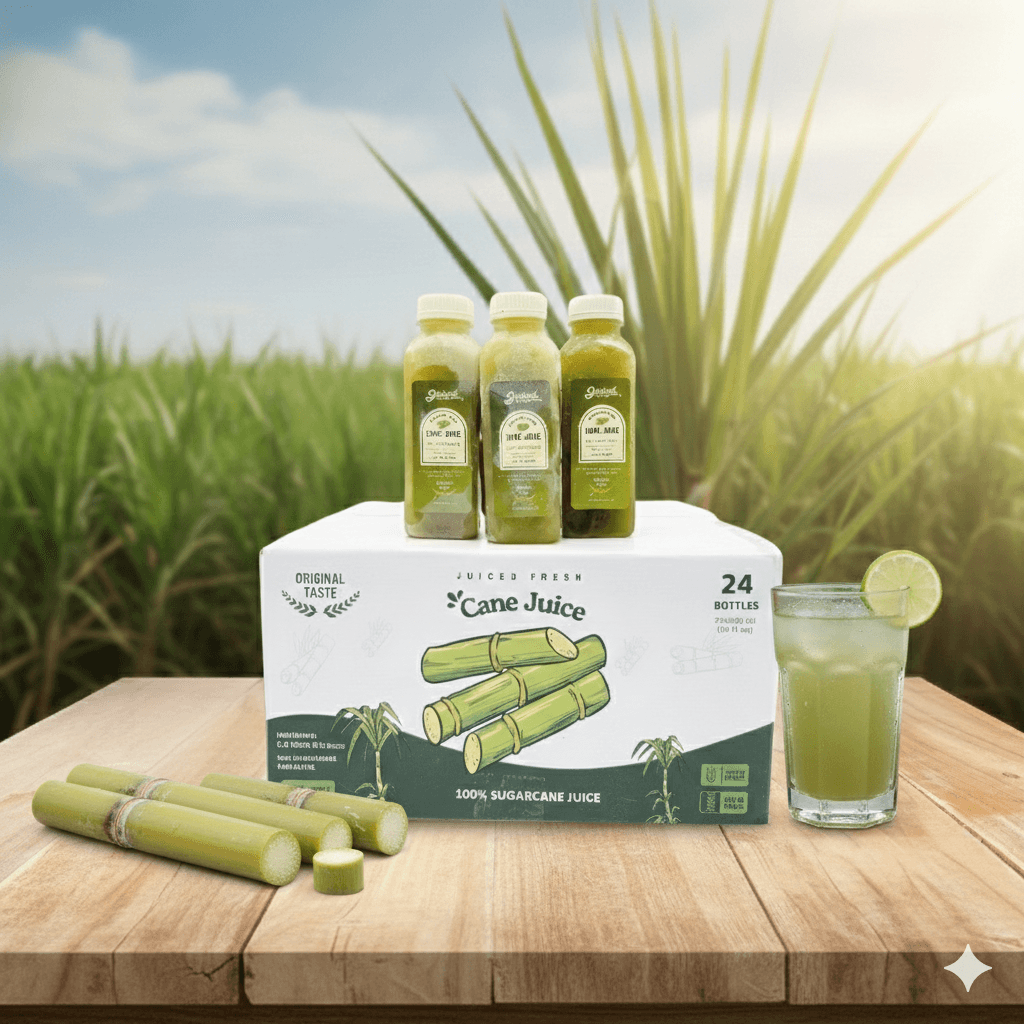
Sugarcane juice has been enjoyed for centuries across Asia, Latin America, and the Caribbean as a refreshing tropical beverage. For operators, the important question is not whether sugarcane is a health product. It is not. The question is how to talk about it accurately: naturally sweet, single-ingredient, culturally familiar, and still a sugar-containing drink.
What Makes Fresh-Pressed Cane Different?
Fresh sugarcane juice is made by pressing cane stalks. It has a grassy, honeyed flavor and contains water, naturally occurring sugars, and small amounts of minerals and plant compounds. Nutrition varies by cane variety, harvest timing, ripeness, storage, and juicer extraction.
The tradeoff is shelf life. Fresh pressed cane juice deteriorates quickly because enzymatic browning and microbial spoilage begin soon after extraction. That is why many shelf-stable ready-to-drink products use heat processing, acid adjustment, preservatives, stabilizers, or other formulation steps.
Why We Use Frozen
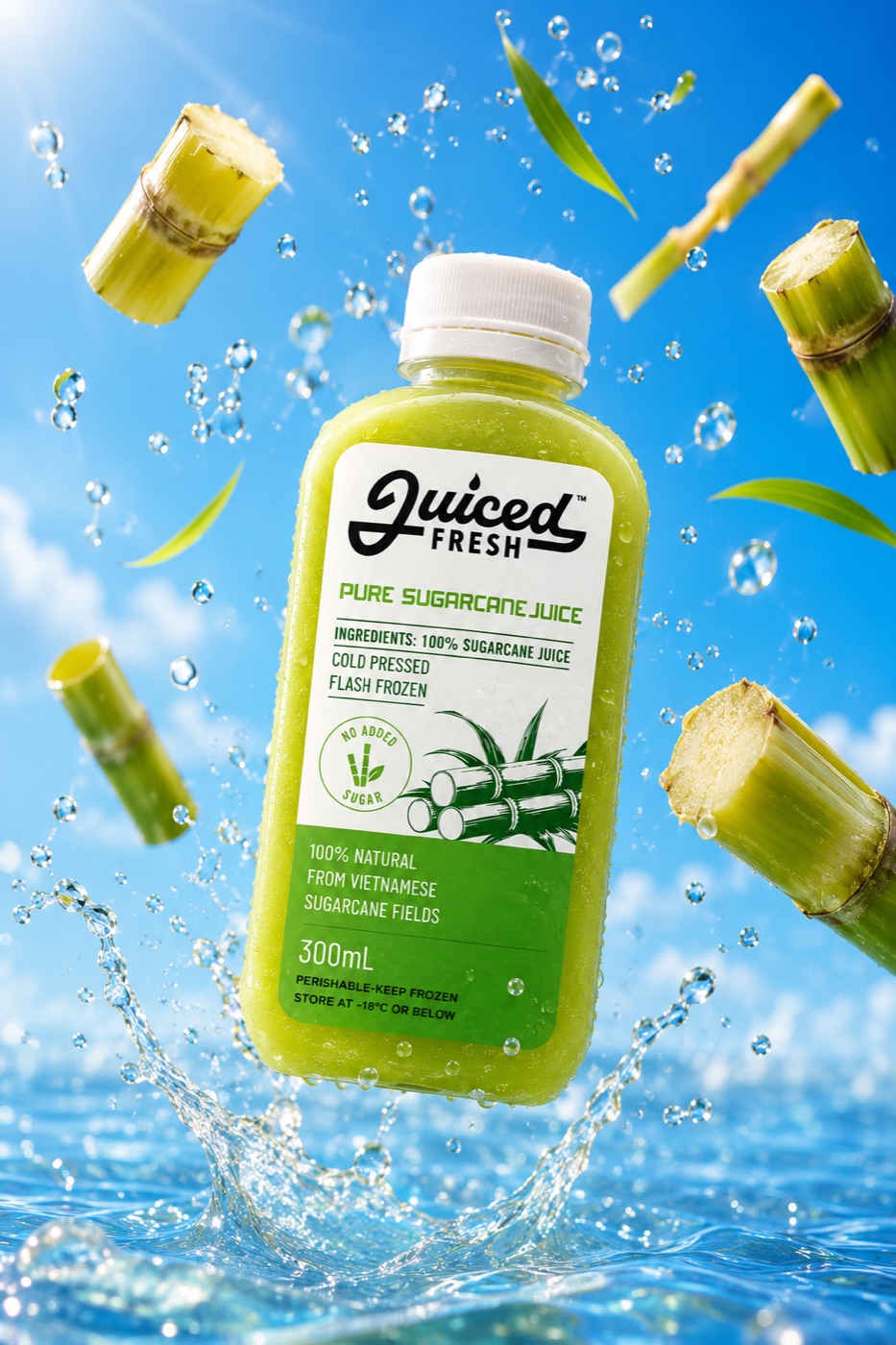
Juiced Fresh uses frozen storage because we want the ingredient list to stay simple. Freezing is harder and more expensive operationally, but it lets operators preserve tropical juice and fruit without turning the product into a shelf-stable formula.
Our position is straightforward:
- Keep the ingredient list simple
- Freeze close to harvest or processing
- Maintain cold chain through storage and freight
- Thaw only what the operator plans to serve
- Treat thawed juice like a fresh refrigerated product
How to Talk About Nutrition
Sugarcane juice can be described as naturally sweet and less refined than table sugar, but it should not be positioned as a medical product. It contains sugar, calories, and carbohydrates. Portion size matters, especially for customers managing blood glucose.
Good operator-safe language:
- Single-ingredient cane juice
- No added sugar
- No added preservatives
- Caffeine-free
- Naturally sweet
- Frozen for clean-label preservation
- Contains trace minerals; nutrition varies by crop
Avoid claims like:
- Suitable for diabetes management
- Cleanse or body-reset claims
- Slimming beverage claims
- Immune-boosting
- Prevents disease
- Treats liver, kidney, digestive, or heart conditions
Fresh-Pressed vs Shelf-Stable
Fresh-pressed or frozen cane juice is about flavor, simplicity, and menu experience. Shelf-stable products are about convenience and ambient storage. Both can have a place, but they should not be described as the same product experience.
If your business wants a simple ingredient statement, frozen is usually the better route. If you want ambient storage, you will likely need processing and formulation steps that change the product story.
The Bottom Line
Sugarcane juice is a compelling menu item because it is fresh-tasting, nostalgic for many customers, visually distinctive, and operationally profitable when the yield math works. Keep the claims honest: it is less processed than many sweet drinks, but it is still a sugar-containing beverage.
For wholesale operators, start with a qualification case, verify yield and storage workflow, then scale to pallet or container pricing when volume and frozen storage make sense.
Published by Juiced Fresh.
Notes from the warehouse, the farm, and the bars we supply. See all Field Notes