Passion Fruit for Cocktail and Beverage Programs: Cost and Builds
Passion fruit is intense enough that 15 to 30 grams carries a drink, so a 10 kg case stretches across hundreds of cocktails, teas, and sodas. Here are the real per-drink numbers and the builds that use them.
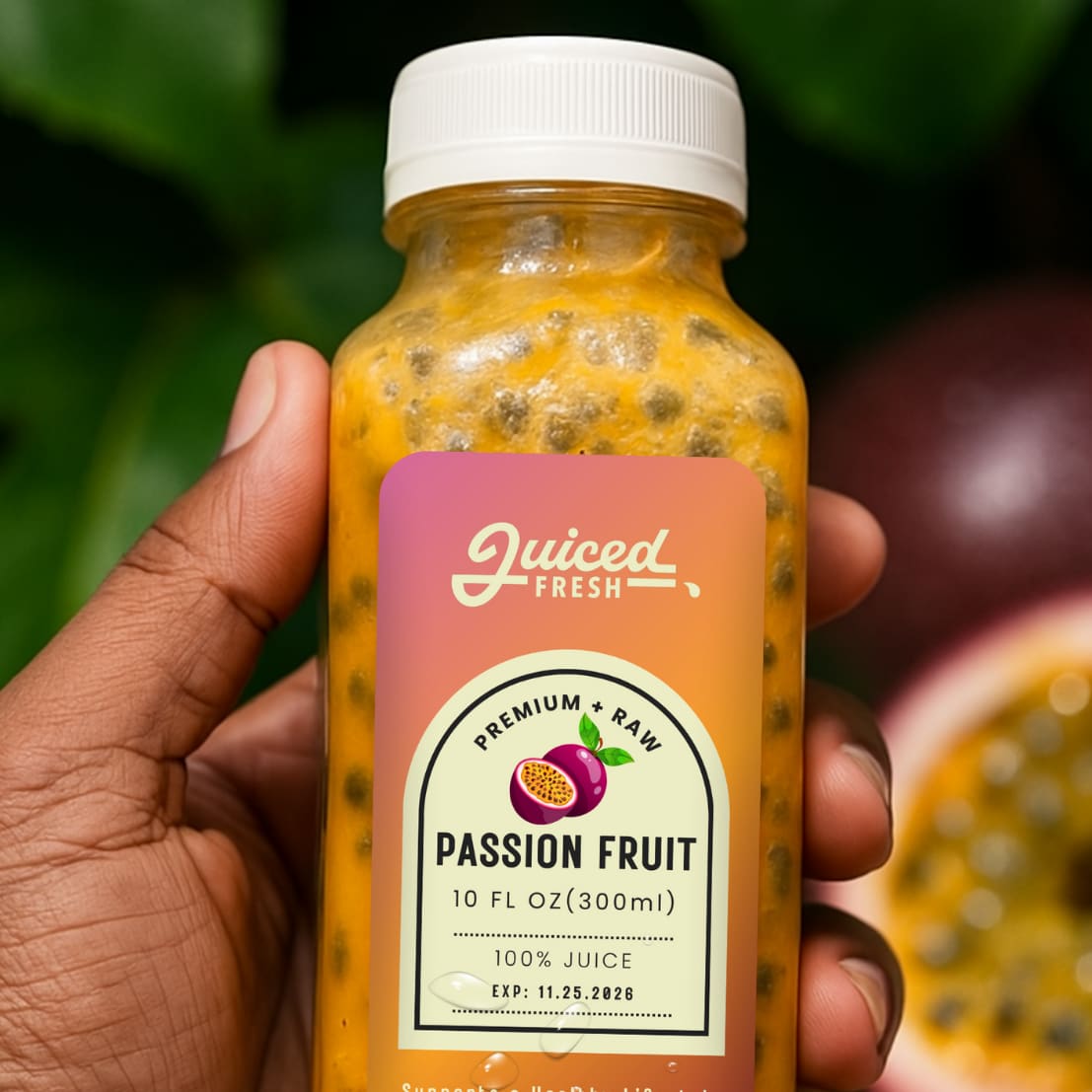
Passion fruit is one of the few ingredients that earns a spot on the back bar and the boba menu at the same time. It is loud. The acidity is high, the aroma reads tropical and floral at once, and the flavor saturates a drink at doses most fruit cannot touch. That intensity is the whole economic argument. You are not pouring two ounces of it into a glass. You are using 15 to 30 grams, and the drink still tastes unmistakably of passion fruit.
For an operator, that changes the math in your favor. A tart, concentrated ingredient priced by the case turns into a per-drink cost low enough that passion fruit becomes a margin driver rather than a splurge. This piece lays out the numbers on a single case, then gives you the builds to spend it on.
What a case actually costs you per drink
The unit is a 10 kg frozen box of Passion Fruit Juice, priced at about $132 per case. That is 10,000 grams of 100 percent passion fruit, no concentrate and no added sugar or water. The ingredient cost works out to roughly $0.0132 per gram.
From there it is simple division. Pick a dose and you know your cost.
- At 15 grams per drink, a case yields about 666 servings at roughly $0.20 each.
- At 20 grams per drink, a case yields 500 servings at roughly $0.26 each.
- At 25 grams per drink, a case yields 400 servings at roughly $0.33 each.
- At 30 grams per drink, a case yields about 333 servings at roughly $0.40 each.
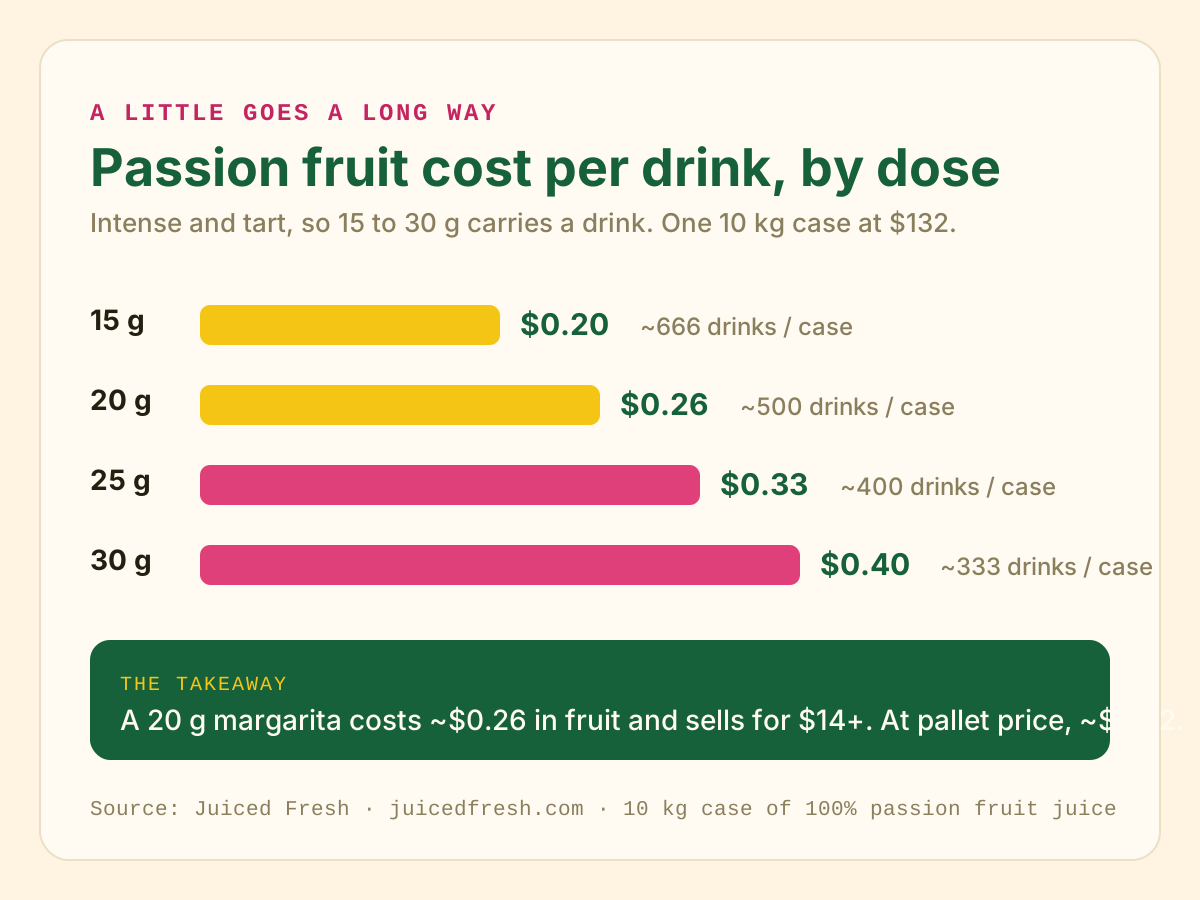
Put that against menu prices and the picture is clear. A passion fruit margarita carrying 25 grams of fruit costs you about 33 cents in passion fruit on a drink that sells for $14 or more. A passion fruit bubble tea at 20 grams costs about 26 cents in fruit on a $6 to $7 cup. The fruit is rarely your largest line item, and it is the one customers can taste from across the room.
The number drops further at volume. A pallet is 120 cases at 17 percent off before freight, which brings the pallet case to about $109.56, or roughly $0.011 per gram. At that rate a 20 gram pour falls to about 22 cents. If passion fruit runs across several drinks on your menu, the pallet math is worth a look on the wholesale and pallet pricing page, and pallet and container quotes come back on WhatsApp in minutes.
One practical note on yield. These counts assume passion fruit as the flavor base of the drink. If you build a dedicated passion fruit syrup or curd, the per-portion fruit cost stays in the same range because you are still metering the same concentrated juice into each serving. You are just moving the dose upstream into a batch.
Why frozen pure juice keeps the program consistent
The hidden cost in any fruit program is variation. Fresh passion fruit swings hard by season and origin. Brix moves, acidity moves, and a recipe dialed in during peak season tastes thin or sharp three months later. Concentrates flatten that out but trade away the aromatics that made you choose passion fruit in the first place, and they often carry added sugar that fights your own sweetener balance.
Frozen pure juice solves both. Juiced Fresh is single-origin from Vietnam's Mekong Delta, flash-frozen within about four hours of harvest at minus 35 Celsius. The fruit is captured at ripeness and held there, so the acidity and aroma you build a spec around in January are the same in July. There is no concentrate and there are no additives. What you taste is passion fruit.
That consistency is what lets you write a spec once and trust it. When 20 grams always means the same thing, your bartenders and boba staff stop adjusting on the fly, your drinks taste the same across every shift, and your costing stays accurate. The frozen format also gives you up to a two-year shelf life, so you can buy to price rather than to a spoilage clock. Thaw what a service needs, keep the rest frozen, and there is no waste pressure forcing you to over-pour.
Logistics are built for foodservice. Orders ship frozen from an Austin, Texas warehouse and reach most of the country in 2 to 5 days. You can order cases online through DeliveredCold, and step up to pallets or containers when a drink takes off. More on the supply side is on the passion fruit supplier page.
Builds, doses, and how to balance the tartness
Passion fruit's job in a build is acid plus aroma. Treat it the way you would treat citrus with a perfume attached. The two levers you are always working are sweetness, to bring the tartness into balance, and dilution, to set the intensity. Get those right and the same juice carries everything below. These builds anchor the menu ideas on the passion fruit for cocktail bars and passion fruit for bubble tea pages.
Passion fruit margarita or martini. Use 25 to 30 grams of juice per drink. For a margarita, shake with tequila, a half ounce of lime, and about three quarters of an ounce of simple or agave to balance the acid, then strain over fresh ice. For a passion fruit martini in the espresso-martini mold, pair the juice with vanilla, a touch of citrus, and a small float of fruit on top for aroma. Because the juice is unsweetened, you control the sugar precisely, which keeps the drink bright instead of cloying.
Passion fruit soda or spritz. Use 15 to 20 grams per glass. Build a quick syrup, see below, then stretch it with soda water for a zero-proof soda or with sparkling wine for a spritz. The carbonation handles dilution, so lead with a lower dose and taste up. A long pour of soda over 20 grams of fruit syrup is one of the cheapest high-margin drinks you can put on a menu.
Passion fruit bubble tea and fruit tea. Use 20 to 30 grams per cup depending on size and ice. For a milk-based passion fruit tea, fold the juice into the sweetener and shake with tea and ice. For a lighter fruit tea, combine the juice with brewed green or black tea, sweeten to taste, and finish with tapioca or popping pearls. The tartness cuts through milk and reads clean over ice, which is exactly why passion fruit holds up in a boba cup where softer fruits get lost.
Passion fruit syrup. This is your workhorse. Blend the juice with sugar at roughly one to one by weight, warm gently to dissolve, and you have a stable, pourable base for sodas, teas, lemonades, and batched cocktails. A syrup lets line staff hit a consistent dose fast during a rush, and it spreads the fruit cost evenly across high-volume drinks.
Passion fruit curd and dessert glazes. For pastry programs, the unsweetened juice gives you a curd with real tartness instead of the muted version you get from concentrate. Use it in tart fillings, fold it into buttercream and mousse, or reduce it lightly with sugar for a glaze over cheesecake, panna cotta, and entremets. Doses run higher here, often 30 grams or more per portion, but the fruit cost still lands well under a dollar. See the passion fruit for pastries page for more on dessert applications.
Treat passion fruit like citrus with an aroma attached: set the acid with sweetness, set the intensity with dilution, and the same juice carries a margarita, a soda, a boba cup, and a curd.
A general rule across all of these: start a new spec at the low end of the dose range, then taste up. Passion fruit is easy to over-pour because it is so vivid in the glass, and pulling back a few grams often makes a drink more drinkable while improving your cost at the same time.
How many drinks does one case really make?
At a 20 gram dose, a 10 kg case makes about 500 drinks. At 15 grams it makes about 666, and at 30 grams it still makes more than 330. The exact count depends on your build and your ice program, but for most cocktail and beverage menus one case lands between 400 and 600 servings.
What is the per-drink cost of passion fruit?
At a case price of about $132, the ingredient cost is roughly $0.0132 per gram, so a 20 gram drink uses about 26 cents of passion fruit. At pallet pricing of about $109.56 per case, that same drink falls to about 22 cents. Against typical menu prices for cocktails, boba, and sodas, the fruit is a small fraction of the sell price.
Do I need fresh passion fruit for quality drinks?
No. Frozen pure juice that was flash-frozen within hours of harvest holds the acidity and aroma you want, and it does so consistently year-round, which fresh fruit cannot. It also removes prep labor and seasonal price swings. For a beverage program that needs the same drink every shift, frozen pure juice is the more reliable choice.
How should I store and thaw it?
Keep the 10 kg box frozen, where it holds up to a two-year shelf life. Thaw only what a service needs, ideally in the refrigerator, and keep the remainder frozen. Because you are metering small doses, a single thawed batch covers a large number of drinks, so you can match thawing to demand and avoid waste.
Passion fruit is the rare ingredient that tastes premium and costs like a commodity once you do the math. One 10 kg case covers hundreds of drinks across your cocktail, boba, soda, and dessert menus, and frozen pure juice keeps every one of them tasting the same from January to July. Start with the Passion Fruit Juice product page, run the numbers on wholesale and pallet pricing, or browse products to round out a tropical lineup. For pallet and container quotes, message us on WhatsApp and you will hear back in minutes.
Published by Juiced Fresh.
Notes from the warehouse, the farm, and the bars we supply. See all Field Notes